๐Ÿ”Œ The Complete Guide to Sockets: How Your Code Really Talks to the World

Ever wondered what happens when Sidekiq calls redis.brpop() and your thread magically “blocks” until a job appears? The answer lies in one of computing’s most fundamental concepts: sockets. Let’s dive deep into this invisible infrastructure that powers everything from your Redis connections to Netflix streaming.

๐Ÿš€ What is a Socket?

A socket is essentially a communication endpoint – think of it like a “phone number” that programs can use to talk to each other.

Application A  โ†โ†’  Socket  โ†โ†’  Network  โ†โ†’  Socket  โ†โ†’  Application B

Simple analogy: If applications are people, sockets are like phone numbers that let them call each other!
๐ŸŽฏ The Purpose of Sockets

๐Ÿ“ก Inter-Process Communication (IPC)

# Two Ruby programs talking via sockets
# Program 1 (Server)
require 'socket'
server = TCPServer.new(3000)
client_socket = server.accept
client_socket.puts "Hello from server!"

# Program 2 (Client)  
client = TCPSocket.new('localhost', 3000)
message = client.gets
puts message  # "Hello from server!"

๐ŸŒ Network Communication

# Talk to Redis (what Sidekiq does)
require 'socket'
redis_socket = TCPSocket.new('localhost', 6379)
redis_socket.write("PING\r\n")
response = redis_socket.read  # "PONG"

๐Ÿ  Are Sockets Only for Networking?

NO! Sockets work for both local and network communication:

๐ŸŒ Network Sockets (TCP/UDP)

# Talk across the internet
require 'socket'
socket = TCPSocket.new('google.com', 80)
socket.write("GET / HTTP/1.1\r\nHost: google.com\r\n\r\n")

๐Ÿ”— Local Sockets (Unix Domain Sockets)

# Talk between programs on same machine
# Faster than network sockets - no network stack overhead
socket = UNIXSocket.new('/tmp/my_app.sock')

Real example: Redis can use Unix sockets for local connections:

# Network socket (goes through TCP/IP stack)
redis = Redis.new(host: 'localhost', port: 6379)

# Unix socket (direct OS communication)
redis = Redis.new(path: '/tmp/redis.sock')  # Faster!

๐Ÿ”ข What Are Ports?

Ports are like apartment numbers – they help identify which specific application should receive the data.

IP Address: 192.168.1.100 (Building address)
Port: 6379                (Apartment number)

๐ŸŽฏ Why This Matters

Same computer running:
- Web server on port 80
- Redis on port 6379  
- SSH on port 22
- Your app on port 3000

When data arrives at 192.168.1.100:6379
โ†’ OS knows to send it to Redis

๐Ÿข Why Do We Need So Many Ports?

Think of a computer like a massive apartment building:

๐Ÿ”ง Multiple Services

# Different services need different "apartments"
$ netstat -ln
tcp 0.0.0.0:22    SSH server
tcp 0.0.0.0:80    Web server  
tcp 0.0.0.0:443   HTTPS server
tcp 0.0.0.0:3306  MySQL
tcp 0.0.0.0:5432  PostgreSQL
tcp 0.0.0.0:6379  Redis
tcp 0.0.0.0:27017 MongoDB

๐Ÿ”„ Multiple Connections to Same Service

Redis server (port 6379) can handle:
- Connection 1: Sidekiq worker
- Connection 2: Rails app  
- Connection 3: Redis CLI
- Connection 4: Monitoring tool

Each gets a unique "channel" but all use port 6379

๐Ÿ“Š Port Ranges

0-1023:    Reserved (HTTP=80, SSH=22, etc.)
1024-49151: Registered applications  
49152-65535: Dynamic/Private (temporary connections)

โš™๏ธ How Sockets Work Internally

๐Ÿ› ๏ธ Socket Creation

# What happens when you do this:
socket = TCPSocket.new('localhost', 6379)

Behind the scenes:

// OS system calls
socket_fd = socket(AF_INET, SOCK_STREAM, 0)  // Create socket
connect(socket_fd, server_address, address_len)  // Connect

๐Ÿ“‹ The OS Socket Table

Process ID: 1234 (Your Ruby app)
File Descriptors:
  0: stdin
  1: stdout  
  2: stderr
  3: socket to Redis (localhost:6379)
  4: socket to PostgreSQL (localhost:5432)
  5: listening socket (port 3000)

๐Ÿ”ฎ Kernel-Level Magic

Application: socket.write("PING")
     โ†“
Ruby: calls OS write() system call
     โ†“  
Kernel: adds to socket send buffer
     โ†“
Network Stack: TCP โ†’ IP โ†’ Ethernet
     โ†“
Network Card: sends packets over wire

๐ŸŒˆ Types of Sockets

๐Ÿ“ฆ TCP Sockets (Reliable)

# Like registered mail - guaranteed delivery
server = TCPServer.new(3000)
client = TCPSocket.new('localhost', 3000)

# Data arrives in order, no loss
client.write("Message 1")
client.write("Message 2") 
# Server receives exactly: "Message 1", "Message 2"

โšก UDP Sockets (Fast but unreliable)

# Like shouting across a crowded room
require 'socket'

# Sender
udp = UDPSocket.new
udp.send("Hello!", 0, 'localhost', 3000)

# Receiver  
udp = UDPSocket.new
udp.bind('localhost', 3000)
data = udp.recv(1024)  # Might not arrive!

๐Ÿ  Unix Domain Sockets (Local)

# Super fast local communication
File.delete('/tmp/test.sock') if File.exist?('/tmp/test.sock')

# Server
server = UNIXServer.new('/tmp/test.sock')
# Client
client = UNIXSocket.new('/tmp/test.sock')

๐Ÿ”„ Socket Lifecycle

๐Ÿค TCP Connection Dance

# 1. Server: "I'm listening on port 3000"
server = TCPServer.new(3000)

# 2. Client: "I want to connect to port 3000"  
client = TCPSocket.new('localhost', 3000)

# 3. Server: "I accept your connection"
connection = server.accept

# 4. Both can now send/receive data
connection.puts "Hello!"
client.puts "Hi back!"

# 5. Clean shutdown
client.close
connection.close
server.close

๐Ÿ”„ Under the Hood (TCP Handshake)

Client                    Server
  |                         |
  |---- SYN packet -------->| (I want to connect)
  |<-- SYN-ACK packet ------| (OK, let's connect)  
  |---- ACK packet -------->| (Connection established!)
  |                         |
  |<---- Data exchange ---->|
  |                         |

๐Ÿ—๏ธ OS-Level Socket Implementation

๐Ÿ“ File Descriptor Magic

socket = TCPSocket.new('localhost', 6379)
puts socket.fileno  # e.g., 7

# This socket is just file descriptor #7!
# You can even use it with raw system calls

๐Ÿ—‚๏ธ Kernel Socket Buffers

Application Buffer  โ†โ†’  Kernel Send Buffer  โ†โ†’  Network
                   โ†โ†’  Kernel Recv Buffer  โ†โ†’

What happens on socket.write:

socket.write("BRPOP queue 0")
# 1. Ruby copies data to kernel send buffer
# 2. write() returns immediately  
# 3. Kernel sends data in background
# 4. TCP handles retransmission, etc.

What happens on socket.read:

data = socket.read  
# 1. Check kernel receive buffer
# 2. If empty, BLOCK thread until data arrives
# 3. Copy data from kernel to Ruby
# 4. Return to your program

๐ŸŽฏ Real-World Example: Sidekiq + Redis

# When Sidekiq does this:
redis.brpop("queue:default", timeout: 2)

# Here's the socket journey:
# 1. Ruby opens TCP socket to localhost:6379
socket = TCPSocket.new('localhost', 6379)

# 2. Format Redis command
command = "*4\r\n$5\r\nBRPOP\r\n$13\r\nqueue:default\r\n$1\r\n2\r\n"

# 3. Write to socket (goes to kernel buffer)
socket.write(command)

# 4. Thread blocks reading response
response = socket.read  # BLOCKS HERE until Redis responds

# 5. Redis eventually sends back data
# 6. Kernel receives packets, assembles them
# 7. socket.read returns with the job data

๐Ÿš€ Socket Performance Tips

โ™ป๏ธ Socket Reuse
# Bad: New socket for each request
100.times do
  socket = TCPSocket.new('localhost', 6379)
  socket.write("PING\r\n")
  socket.read
  socket.close  # Expensive!
end

# Good: Reuse socket
socket = TCPSocket.new('localhost', 6379)
100.times do
  socket.write("PING\r\n")  
  socket.read
end
socket.close
๐ŸŠ Connection Pooling
# What Redis gem/Sidekiq does internally
class ConnectionPool
  def initialize(size: 5)
    @pool = size.times.map { TCPSocket.new('localhost', 6379) }
  end

  def with_connection(&block)
    socket = @pool.pop
    yield(socket)
  ensure
    @pool.push(socket)
  end
end

๐ŸŽช Fun Socket Facts

๐Ÿ“„ Everything is a File
# On Linux/Mac, sockets appear as files!
$ lsof -p #{Process.pid}
ruby 1234 user 3u sock 0,9 0t0 TCP localhost:3000->localhost:6379
๐Ÿšง Socket Limits
# Your OS has limits
$ ulimit -n
1024  # Max file descriptors (including sockets)

# Web servers need thousands of sockets
# That's why they increase this limit!
๐Ÿ“Š Socket States
$ netstat -an | grep 6379
tcp4 0 0 127.0.0.1.6379 127.0.0.1.50123 ESTABLISHED
tcp4 0 0 127.0.0.1.6379 127.0.0.1.50124 TIME_WAIT
tcp4 0 0 *.6379         *.*            LISTEN

๐ŸŽฏ Key Takeaways

  1. ๐Ÿ”Œ Sockets = Communication endpoints between programs
  2. ๐Ÿ  Ports = Apartment numbers for routing data to the right app
  3. ๐ŸŒ Not just networking – also local inter-process communication
  4. โš™๏ธ OS manages everything – kernel buffers, network stack, blocking
  5. ๐Ÿ“ File descriptors – sockets are just special files to the OS
  6. ๐ŸŠ Connection pooling is crucial for performance
  7. ๐Ÿ”’ BRPOP blocking happens at the socket read level

๐ŸŒŸ Conclusion

The beauty of sockets is their elegant simplicity: when Sidekiq calls redis.brpop(), it’s using the same socket primitives that have powered network communication for decades!

From your Redis connection to Netflix streaming to Zoom calls, sockets are the fundamental building blocks that make modern distributed systems possible. Understanding how they work gives you insight into everything from why connection pooling matters to how blocking I/O actually works at the system level.

The next time you see a thread “blocking” on network I/O, you’ll know exactly what’s happening: a simple socket read operation, leveraging decades of OS optimization to efficiently wait for data without wasting a single CPU cycle. Pretty amazing for something so foundational! ๐Ÿš€


โšก Inside Redis: How Your Favorite In-Memory Database Actually Works

You’ve seen how Sidekiq connects to Redis via sockets, but what happens when Redis receives that BRPOP command? Let’s pull back the curtain on one of the most elegant pieces of software ever written and discover why Redis is so blazingly fast.

๐ŸŽฏ What Makes Redis Special?

Redis isn’t just another database – it’s a data structure server. While most databases make you think in tables and rows, Redis lets you work directly with lists, sets, hashes, and more. It’s like having super-powered variables that persist across program restarts!

# Traditional database thinking
User.where(active: true).pluck(:id)

# Redis thinking  
redis.smembers("active_users")  # A set of active user IDs

๐Ÿ—๏ธ Redis Architecture Overview

Redis has a deceptively simple architecture that’s incredibly powerful:

โ”Œโ”€โ”€โ”€โ”€โ”€โ”€โ”€โ”€โ”€โ”€โ”€โ”€โ”€โ”€โ”€โ”€โ”€โ”€โ”€โ”€โ”€โ”€โ”€โ”€โ”€โ”€โ”€โ”€โ”€โ”€โ”€โ”€โ”€โ”
โ”‚          Client Connections     โ”‚ โ† Your Ruby app connects here
โ”œโ”€โ”€โ”€โ”€โ”€โ”€โ”€โ”€โ”€โ”€โ”€โ”€โ”€โ”€โ”€โ”€โ”€โ”€โ”€โ”€โ”€โ”€โ”€โ”€โ”€โ”€โ”€โ”€โ”€โ”€โ”€โ”€โ”€โ”ค
โ”‚         Command Processing      โ”‚ โ† Parses your BRPOP command
โ”œโ”€โ”€โ”€โ”€โ”€โ”€โ”€โ”€โ”€โ”€โ”€โ”€โ”€โ”€โ”€โ”€โ”€โ”€โ”€โ”€โ”€โ”€โ”€โ”€โ”€โ”€โ”€โ”€โ”€โ”€โ”€โ”€โ”€โ”ค
โ”‚         Event Loop (epoll)      โ”‚ โ† Handles thousands of connections
โ”œโ”€โ”€โ”€โ”€โ”€โ”€โ”€โ”€โ”€โ”€โ”€โ”€โ”€โ”€โ”€โ”€โ”€โ”€โ”€โ”€โ”€โ”€โ”€โ”€โ”€โ”€โ”€โ”€โ”€โ”€โ”€โ”€โ”€โ”ค
โ”‚        Data Structure Engine    โ”‚ โ† The magic happens here
โ”œโ”€โ”€โ”€โ”€โ”€โ”€โ”€โ”€โ”€โ”€โ”€โ”€โ”€โ”€โ”€โ”€โ”€โ”€โ”€โ”€โ”€โ”€โ”€โ”€โ”€โ”€โ”€โ”€โ”€โ”€โ”€โ”€โ”€โ”ค
โ”‚         Memory Management       โ”‚ โ† Keeps everything in RAM
โ”œโ”€โ”€โ”€โ”€โ”€โ”€โ”€โ”€โ”€โ”€โ”€โ”€โ”€โ”€โ”€โ”€โ”€โ”€โ”€โ”€โ”€โ”€โ”€โ”€โ”€โ”€โ”€โ”€โ”€โ”€โ”€โ”€โ”€โ”ค
โ”‚        Persistence Layer        โ”‚ โ† Optional disk storage
โ””โ”€โ”€โ”€โ”€โ”€โ”€โ”€โ”€โ”€โ”€โ”€โ”€โ”€โ”€โ”€โ”€โ”€โ”€โ”€โ”€โ”€โ”€โ”€โ”€โ”€โ”€โ”€โ”€โ”€โ”€โ”€โ”€โ”€โ”˜

๐Ÿ”ฅ The Single-Threaded Magic

Here’s Redis’s secret sauce: it’s mostly single-threaded!

// Simplified Redis main loop
while (server_running) {
    // 1. Check for new network events
    events = epoll_wait(eventfd, events, max_events, timeout);

    // 2. Process each event
    for (int i = 0; i < events; i++) {
        if (events[i].type == READ_EVENT) {
            process_client_command(events[i].client);
        }
    }

    // 3. Handle time-based events (expiry, etc.)
    process_time_events();
}

Why single-threaded is brilliant:

  • โœ… No locks or synchronization needed
  • โœ… Incredibly fast context switching
  • โœ… Predictable performance
  • โœ… Simple to reason about

๐Ÿง  Data Structure Deep Dive

๐Ÿ“ Redis Lists (What Sidekiq Uses)

When you do redis.brpop("queue:default"), you’re working with a Redis list:

// Redis list structure (simplified)
typedef struct list {
    listNode *head;      // First item
    listNode *tail;      // Last item  
    long length;         // How many items
    // ... other fields
} list;

typedef struct listNode {
    struct listNode *prev;
    struct listNode *next;
    void *value;         // Your job data
} listNode;

BRPOP implementation inside Redis:

// Simplified BRPOP command handler
void brpopCommand(client *c) {
    // Try to pop from each list
    for (int i = 1; i < c->argc - 1; i++) {
        robj *key = c->argv[i];
        robj *list = lookupKeyRead(c->db, key);

        if (list && listTypeLength(list) > 0) {
            // Found item! Pop and return immediately
            robj *value = listTypePop(list, LIST_TAIL);
            addReplyMultiBulkLen(c, 2);
            addReplyBulk(c, key);
            addReplyBulk(c, value);
            return;
        }
    }

    // No items found - BLOCK the client
    blockForKeys(c, c->argv + 1, c->argc - 2, timeout);
}

๐Ÿ”‘ Hash Tables (Super Fast Lookups)

Redis uses hash tables for O(1) key lookups:

// Redis hash table
typedef struct dict {
    dictEntry **table;       // Array of buckets
    unsigned long size;      // Size of table
    unsigned long sizemask;  // size - 1 (for fast modulo)
    unsigned long used;      // Number of entries
} dict;

// Finding a key
unsigned int hash = dictGenHashFunction(key);
unsigned int idx = hash & dict->sizemask;
dictEntry *entry = dict->table[idx];

This is why Redis is so fast – finding any key is O(1)!

โšก The Event Loop: Handling Thousands of Connections

Redis uses epoll (Linux) or kqueue (macOS) to efficiently handle many connections:

// Simplified event loop
int epollfd = epoll_create(1024);

// Add client socket to epoll
struct epoll_event ev;
ev.events = EPOLLIN;  // Watch for incoming data
ev.data.ptr = client;
epoll_ctl(epollfd, EPOLL_CTL_ADD, client->fd, &ev);

// Main loop
while (1) {
    int nfds = epoll_wait(epollfd, events, MAX_EVENTS, timeout);

    for (int i = 0; i < nfds; i++) {
        client *c = (client*)events[i].data.ptr;

        if (events[i].events & EPOLLIN) {
            // Data available to read
            read_client_command(c);
            process_command(c);
        }
    }
}

Why this is amazing:

Traditional approach: 1 thread per connection
- 1000 connections = 1000 threads
- Each thread uses ~8MB memory
- Context switching overhead

Redis approach: 1 thread for all connections  
- 1000 connections = 1 thread
- Minimal memory overhead
- No context switching between connections

๐Ÿ”’ How BRPOP Blocking Actually Works

Here’s the magic behind Sidekiq’s blocking behavior:

๐ŸŽญ Client Blocking State

// When no data available for BRPOP
typedef struct blockingState {
    dict *keys;           // Keys we're waiting for
    time_t timeout;       // When to give up
    int numreplicas;      // Replication stuff
    // ... other fields
} blockingState;

// Block a client
void blockClient(client *c, int btype) {
    c->flags |= CLIENT_BLOCKED;
    c->btype = btype;
    c->bstate = zmalloc(sizeof(blockingState));

    // Add to server's list of blocked clients
    listAddNodeTail(server.clients, c);
}

โฐ Timeout Handling

// Check for timed out clients
void handleClientsBlockedOnKeys(void) {
    time_t now = time(NULL);

    listIter li;
    listNode *ln;
    listRewind(server.clients, &li);

    while ((ln = listNext(&li)) != NULL) {
        client *c = listNodeValue(ln);

        if (c->flags & CLIENT_BLOCKED && 
            c->bstate.timeout != 0 && 
            c->bstate.timeout < now) {

            // Timeout! Send null response
            addReplyNullArray(c);
            unblockClient(c);
        }
    }
}

๐Ÿš€ Unblocking When Data Arrives

// When someone does LPUSH to a list
void signalKeyAsReady(redisDb *db, robj *key) {
    readyList *rl = zmalloc(sizeof(*rl));
    rl->key = key;
    rl->db = db;

    // Add to ready list
    listAddNodeTail(server.ready_keys, rl);
}

// Process ready keys and unblock clients
void handleClientsBlockedOnKeys(void) {
    while (listLength(server.ready_keys) != 0) {
        listNode *ln = listFirst(server.ready_keys);
        readyList *rl = listNodeValue(ln);

        // Find blocked clients waiting for this key
        list *clients = dictFetchValue(rl->db->blocking_keys, rl->key);

        if (clients) {
            // Unblock first client and serve the key
            client *receiver = listNodeValue(listFirst(clients));
            serveClientBlockedOnList(receiver, rl->key, rl->db);
        }

        listDelNode(server.ready_keys, ln);
    }
}

๐Ÿ’พ Memory Management: Keeping It All in RAM

๐Ÿงฎ Memory Layout

// Every Redis object has this header
typedef struct redisObject {
    unsigned type:4;        // STRING, LIST, SET, etc.
    unsigned encoding:4;    // How it's stored internally  
    unsigned lru:24;        // LRU eviction info
    int refcount;          // Reference counting
    void *ptr;             // Actual data
} robj;

๐Ÿ—‚๏ธ Smart Encodings

Redis automatically chooses the most efficient representation:

// Small lists use ziplist (compressed)
if (listLength(list) < server.list_max_ziplist_entries &&
    listTotalSize(list) < server.list_max_ziplist_value) {

    // Use compressed ziplist
    listConvert(list, OBJ_ENCODING_ZIPLIST);
} else {
    // Use normal linked list
    listConvert(list, OBJ_ENCODING_LINKEDLIST);  
}

Example memory optimization:

Small list: ["job1", "job2", "job3"]
Normal encoding: 3 pointers + 3 allocations = ~200 bytes
Ziplist encoding: 1 allocation = ~50 bytes (75% savings!)

๐Ÿงน Memory Reclamation

// Redis memory management
void freeMemoryIfNeeded(void) {
    while (server.memory_usage > server.maxmemory) {
        // Try to free memory by:
        // 1. Expiring keys
        // 2. Evicting LRU keys  
        // 3. Running garbage collection

        if (freeOneObjectFromFreelist() == C_OK) continue;
        if (expireRandomExpiredKey() == C_OK) continue;
        if (evictExpiredKeys() == C_OK) continue;

        // Last resort: evict LRU key
        evictLRUKey();
    }
}

๐Ÿ’ฟ Persistence: Making Memory Durable

๐Ÿ“ธ RDB Snapshots

// Save entire dataset to disk
int rdbSave(char *filename) {
    FILE *fp = fopen(filename, "w");

    // Iterate through all databases
    for (int dbid = 0; dbid < server.dbnum; dbid++) {
        redisDb *db = server.db + dbid;
        dict *d = db->dict;

        // Save each key-value pair
        dictIterator *di = dictGetSafeIterator(d);
        dictEntry *de;

        while ((de = dictNext(di)) != NULL) {
            sds key = dictGetKey(de);
            robj *val = dictGetVal(de);

            // Write key and value to file
            rdbSaveStringObject(fp, key);
            rdbSaveObject(fp, val);
        }
    }

    fclose(fp);
}

๐Ÿ“ AOF (Append Only File)

// Log every write command
void feedAppendOnlyFile(struct redisCommand *cmd, int dictid, 
                       robj **argv, int argc) {
    sds buf = sdsnew("");

    // Format as Redis protocol
    buf = sdscatprintf(buf, "*%d\r\n", argc);
    for (int i = 0; i < argc; i++) {
        buf = sdscatprintf(buf, "$%lu\r\n", 
                          (unsigned long)sdslen(argv[i]->ptr));
        buf = sdscatsds(buf, argv[i]->ptr);
        buf = sdscatlen(buf, "\r\n", 2);
    }

    // Write to AOF file
    write(server.aof_fd, buf, sdslen(buf));
    sdsfree(buf);
}

๐Ÿš€ Performance Secrets

๐ŸŽฏ Why Redis is So Fast

  1. ๐Ÿง  Everything in memory – No disk I/O during normal operations
  2. ๐Ÿ”„ Single-threaded – No locks or context switching
  3. โšก Optimized data structures – Custom implementations for each type
  4. ๐ŸŒ Efficient networking – epoll/kqueue for handling connections
  5. ๐Ÿ“ฆ Smart encoding – Automatic optimization based on data size

๐Ÿ“Š Real Performance Numbers

Operation           Operations/second
SET                 100,000+
GET                 100,000+  
LPUSH               100,000+
BRPOP (no block)    100,000+
BRPOP (blocking)    Limited by job arrival rate

๐Ÿ”ง Configuration for Speed

# redis.conf optimizations
tcp-nodelay yes              # Disable Nagle's algorithm
tcp-keepalive 60            # Keep connections alive
timeout 0                   # Never timeout idle clients

# Memory optimizations  
maxmemory-policy allkeys-lru  # Evict least recently used
save ""                       # Disable snapshotting for speed

๐ŸŒ Redis in Production

๐Ÿ—๏ธ Scaling Patterns

Master-Slave Replication:

Master (writes) โ”€โ”
                 โ”œโ”€โ†’ Slave 1 (reads)
                 โ”œโ”€โ†’ Slave 2 (reads)
                 โ””โ”€โ†’ Slave 3 (reads)

Redis Cluster (sharding):

Client โ”€โ†’ Hash Key โ”€โ†’ Determine Slot โ”€โ†’ Route to Correct Node

Slots 0-5460:    Node A  
Slots 5461-10922: Node B
Slots 10923-16383: Node C
๐Ÿ” Monitoring Redis
# Real-time stats
redis-cli info

# Monitor all commands
redis-cli monitor

# Check slow queries
redis-cli slowlog get 10

# Memory usage by key pattern
redis-cli --bigkeys

๐ŸŽฏ Redis vs Alternatives

๐Ÿ“Š When to Choose Redis
โœ… Need sub-millisecond latency
โœ… Working with simple data structures  
โœ… Caching frequently accessed data
โœ… Session storage
โœ… Real-time analytics
โœ… Message queues (like Sidekiq!)

โŒ Need complex queries (use PostgreSQL)
โŒ Need ACID transactions across keys
โŒ Dataset larger than available RAM
โŒ Need strong consistency guarantees
๐ŸฅŠ Redis vs Memcached
Redis:
+ Rich data types (lists, sets, hashes)
+ Persistence options
+ Pub/sub messaging
+ Transactions
- Higher memory usage

Memcached:  
+ Lower memory overhead
+ Simpler codebase
- Only key-value storage
- No persistence

๐Ÿ”ฎ Modern Redis Features

๐ŸŒŠ Redis Streams
# Modern alternative to lists for job queues
redis.xadd("jobs", {"type" => "email", "user_id" => 123})
redis.xreadgroup("workers", "worker-1", "jobs", ">")
๐Ÿ“ก Redis Modules
RedisJSON:     Native JSON support
RedisSearch:   Full-text search
RedisGraph:    Graph database
RedisAI:       Machine learning
TimeSeries:    Time-series data
โšก Redis 7 Features
- Multi-part AOF files
- Config rewriting improvements  
- Better memory introspection
- Enhanced security (ACLs)
- Sharded pub/sub

๐ŸŽฏ Key Takeaways

  1. ๐Ÿ”ฅ Single-threaded simplicity enables incredible performance
  2. ๐Ÿง  In-memory architecture eliminates I/O bottlenecks
  3. โšก Custom data structures are optimized for specific use cases
  4. ๐ŸŒ Event-driven networking handles thousands of connections efficiently
  5. ๐Ÿ”’ Blocking operations like BRPOP are elegant and efficient
  6. ๐Ÿ’พ Smart memory management keeps everything fast and compact
  7. ๐Ÿ“ˆ Horizontal scaling is possible with clustering and replication

๐ŸŒŸ Conclusion

Redis is a masterclass in software design – taking a simple concept (in-memory data structures) and optimizing every single aspect to perfection. When Sidekiq calls BRPOP, it’s leveraging decades of systems programming expertise distilled into one of the most elegant and performant pieces of software ever written.

The next time you see Redis handling thousands of operations per second while using minimal resources, you’ll understand the beautiful engineering that makes it possible. From hash tables to event loops to memory management, every component works in harmony to deliver the performance that makes modern applications possible.

Redis proves that sometimes the best solutions are the simplest ones, executed flawlessly! ๐Ÿš€


Setup Nginx, SSL , Firewall | Moving micro-services into AWS EC2 instance โ€“ Part 4

Install Nginx proxy server. Nginx also act like a load-balacer which is helpful for the balancing of network traffic.

sudo apt-get update
sudo apt-get install nginx

Commands to stop, start, restart, check status

sudo systemctl stop nginx
sudo systemctl start nginx
sudo systemctl restart nginx

# after making configuration changes
sudo systemctl reload nginx
sudo systemctl disable nginx
sudo systemctl enable nginx

Install SSL – Letsencrypt

Install packages needed for ssl

sudo add-apt-repository ppa:certbot/certbot
sudo apt-get update
sudo apt-get install python-certbot-nginx

Install the SSL Certificate:

certbot -d '*.domain.com' -d domain.com --manual --preferred-challenges dns certonly

Your certificate and chain have been saved at:
   /etc/letsencrypt/live/domain.com/fullchain.pem

Your key file has been saved at:
   /etc/letsencrypt/live/domain.com/privkey.pem
SSL certificate auto renewal

Let’s Encrypt’s certificates are valid for 90 days. To automatically renew the certificates before they expire, the certbot package creates a cronjob which will run twice a day and will automatically renew any certificate 30 days before its expiration.

Since we are using the certbot webroot plug-in once the certificate is renewed we also have to reload the nginx service. To do so append –renew-hook “systemctl reload nginx” to the /etc/cron.d/certbot file so as it looks like this:

/etc/cron.d/certbot
0 */12 * * * root test -x /usr/bin/certbot -a \! -d /run/systemd/system && perl -e 'sleep int(rand(3600))' && certbot -q renew --renew-hook "systemctl reload nginx"

To test the renewal process, use the certbot –dry-run switch:

sudo certbot renew --dry-run

Renew your EXPIRED certificate this way:

sudo certbot --force-renewal -d '*.domain.com' -d domain.com --manual --preferred-challenges dns certonly

Are you OK with your IP being logged?
- - - - - - - - - - - - - - - - - - - - - - - - - - - - - - - - - - - - - - - -
(Y)es/(N)o: Y

- - - - - - - - - - - - - - - - - - - - - - - - - - - - - - - - - - - - - - - -
Please deploy a DNS TXT record under the name
_acme-challenge.<domain>.com with the following value:

O3bpxxxxxxxxxxxxxxxxxxxxxxxxxxY4TnNo

Before continuing, verify the record is deployed.
- - - - - - - - - - - - - - - - - - - - - - - - - - - - - - - - - - - - - - - -
Press Enter to Continue

You need to update the DNS txt record for _acme-challenge.<domain>.com

sudo systemctl restart nginx # restart nginx to take effect

Configure the Firewall

Next, weโ€™ll update our firewall to allow HTTPS traffic.

Check firewall status in the system. If it is inactive enable firewall.

sudo ufw status # check status

# enable firewall
sudo ufw enable
sudo ufw allow ssh
sudo ufw allow OpenSSH

Enable particular ports where your micro-services are running. Example:

sudo ufw allow 4031/tcp # Authentication service
sudo ufw allow 4131/tcp # File service
sudo ufw allow 4232/tcp # Search service

You can delete the ‘Authentication service’ firewall rule by:

sudo ufw delete allow 4031/tcp

Setup Ruby, ruby-build, rbenv-gemset | Conclusion – Moving micro-services into AWS EC2 instance โ€“ Part 3

In this post let’s setup Ruby and ruby gemsets for each project, so that your package versions are maintained.

Install ruby-build # ruby-build is a command-line utility for rbenv

git clone https://github.com/rbenv/ruby-build.git ~/.rbenv/plugins/ruby-build

# Add ruby build path

echo 'export PATH="$HOME/.rbenv/plugins/ruby-build/bin:$PATH"' >> ~/.bashrc # OR
echo 'export PATH="$HOME/.rbenv/plugins/ruby-build/bin:$PATH"' >> ~/.zshrc

# load it

source ~/.bashrc # OR
source ~/.zshrc


For Mac users – iOS users


# verify rbenv
curl -fsSL https://github.com/rbenv/rbenv-installer/raw/main/bin/rbenv-doctor | bash

If you are using zsh add the following to `~/.zshrc`

# rbenv configuration
eval "$(rbenv init -)"
export RUBY_CONFIGURE_OPTS="--with-openssl-dir=$(brew --prefix openssl@1.1)"

Install Ruby 2.5.1 using rbenv

rbenv install 2.5.1

rbenv global 2.5.1 # to make this version as default

ruby -v # must display 2.5.1 if installed correctly

which ruby # must show the fully qualified path of the executable

echo "gem: --no-document" > ~/.gemrc # to skip documentation while installing gem

rbenv rehash # latest version of rbenv apparently don't need this. Nevertheless, lets use it to avoid surprises.

gem env home # See related details

# If a new version of ruby was installed, ensure RubyGems is up to date.
gem update --system --no-document
๏ปฟ

Install rbenv gemset – https://github.com/jf/rbenv-gemset

git clone git://github.com/jf/rbenv-gemset.git ~/.rbenv/plugins/rbenv-gemset

If you are getting following issue:

fatal: remote error:
  The unauthenticated git protocol on port 9418 is no longer supported.
# Fix
 git clone https://github.com/jf/rbenv-gemset.git ~/.rbenv/plugins/rbenv-gemset

Now clone your project and go inside the project folder -Micro-service folder (say my-project) which has Gemfile in it and do the following commands.

cd my-project

my-project $ rbenv gemset init # NOTE: this will create the gemset under the current ruby version.

my-project $ rbenv gemset list # list all gemsets

my-project $ rbenv gemset active # check this in project folder

my-project $ gem install bundler -v '1.6.0'

my-project $ rbenv rehash

my-project $ bundle install  # install all the gems for the project inside the gemset.

my-project $ rails s -e production # start rails server
my-project $ puma -e production -p 3002 -C config/puma.rb # OR start puma server
# OR start the server you have configured with rails. 

Do this for all the services and see how this is running. The above will install all the gems inside the project gemset that acts like a namespace.

So our aim is to setup all the ruby micro-services in the same machine.

  • I started 10 services together in AWS EC2 (type: t3.small).
  • Database is running in t2.small instance with 2 volumes (EBS) attached.
  • For Background job DB (redis) is running in t2.micro instance.

So for 3 ec2 instance + 2 EBS volumes –$26 + elastic IP addresses ( aws charges some amount – $7.4) 1 month duration, it costs me around $77.8, almost 6k rupees. That means we reduced the aws-cloud cost to half of the previous cost.

Our Challenges with Microservices on AWS ECS

As part of our startup, our predecessors chose to use micro-services for our new website as it is a trending technology.

This decision has many benefits, such as:

  • Scaling a website becomes much easier when using micro-services, as each service can be scaled independently based on its individual needs.
  • The loosely coupled nature of micro-services also allows for easier development and maintenance, as changes to one service do not affect the functionality of other services.
  • Additionally, deployment can be focused on each individual service, making the overall process more efficient.
  • Micro-services also allow for the use of different technologies for each service, providing greater flexibility and the ability to choose the best tools for each task.
  • Finally, testing can be concentrated on one service at a time, allowing for more thorough and effective testing, which can result in higher quality code and a better user experience.

In developing our application with micro-services, we considered the potential problems that we may face in the future. However, it is important to note that we also need to consider whether these problems will have a significant impact compared to the potential disadvantages of using micro-services.

One factor to keep in mind is that our website is currently experiencing low traffic and we are acquiring clients gradually. As such, we need to consider whether the benefits of micro-services outweigh any potential drawbacks for our particular situation.

Regardless, some potential issues with micro-services include increased complexity and overhead in development, as well as potential performance issues when integrating multiple services. Additionally, managing multiple services and ensuring they communicate effectively can also be a challenge.

Despite the benefits of micro-services, we have faced some issues in implementing them. One significant challenge is the increased complexity of deployment and maintenance that comes with having multiple services. This can require more time and resources to manage and can potentially increase the likelihood of errors.

Additionally, the cost of using AWS ECS for hosting all of the micro-services can be higher than using other hosting solutions for a less traffic website. This is something to consider when weighing the benefits and drawbacks of using micro-services for our specific needs.

Another challenge we have faced is managing dependencies between services, which can be difficult to avoid. When one service goes offline, it can cause issues with other services, leading to a “No Service” issue on the website.

Finally, it can be very difficult to go back to a monolithic application even if we combine 3-4 services together, as they may use different software or software versions. This can make it challenging to make changes or updates to the application as a whole.

It is important to carefully consider whether micro-service architecture is the best fit for your business and current situation. If you have a less used website or are just starting your business, it may not be necessary or cost-effective to implement micro-services.

It is important to take the time to evaluate the benefits and drawbacks of using micro-services for your specific needs and budget. Keep in mind that hosting multiple micro-services can come with additional costs, so be prepared to pay a minimum amount for hosting if you decide to go this route.

Ultimately, the decision to use micro-services should be based on a thorough assessment of your business needs and available resources, rather than simply following a trend or industry hype.

Set up:

  • Used AWS ECS (ec2 launch type) with services and task definitions defined
  • 11 Micro-services, 11 containers are spinning
  • Cost: Rs.12k ($160) per month

Workaround:

  • Consider using AWS Fargate type but not sure these issues get resolved
  • Deploy all the services in one EC2 Instance without using ECS

Liferay 7.3: Add service builder to the portlet


In the past, I made the decision to create the portlet and service builder directly within the Eclipse workspace, rather than creating a Liferay workspace project within the Eclipse workspace. However, this approach has caused some challenges when attempting to add the service builder to my portlet, as both of them are located within the Eclipse workspace.

Could not run phased build action using Gradle distribution 'https://services.gradle.org/distributions/gradle-5.6.4-bin.zip'.
Build file '/home/abhilash/eclipse-workspace/register-emailbox/build.gradle' line: 32
A problem occurred evaluating root project 'register-emailbox'.
Project with path ':sitesService:sitesService-api' could not be found in root project 'register-emailbox'.

Several individuals have encountered this particular issue, and you can find detailed guidance on resolving it in the Liferay developer article focused on creating a service builder.

https://liferay.dev/blogs/-/blogs/creating-service-builder-mvc-portlet-in-liferay-7-with-liferay-ide-3-

People reactions:

But no solution mentioned here

Through extensive research, I discovered that the solution to this issue requires creating both a portlet and a service builder within the Liferay workspace, rather than the Eclipse workspace. Specifically, it is essential to create a Liferay workspace project inside the Eclipse workspace to address this problem effectively.

Lets do that this time.

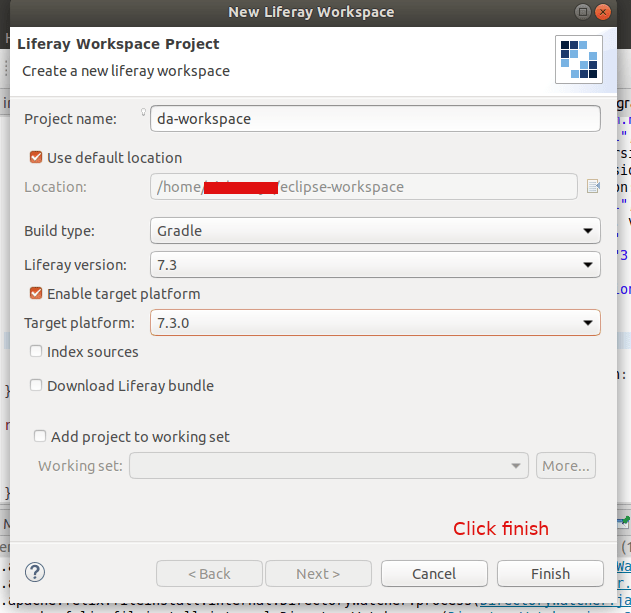
Click File -> New -> Liferay Workspace Project

Provide a Project Name and click on Finish

Next right click on the da-workspace, New -> Liferay Module Project

Provide the Project Name, then it automatically changes the Location

Provide the class name and project name

Deploy this service by clicking on the gradle section of IDE and double click on deploy

Deployed successfully

You can see the module os created inside our new Liferay Workspace: da-workspace

Jar file created

Copy this jar file and paste into the liferay server folder path given below:

~/liferay-ce-portal-tomcat-7.3.0-ga1-20200127150653953/liferay-ce-portal-7.3.0-ga1/deploy

You can see the server log like this:

2020-04-14 09:16:09.299 INFO  [fileinstall-/home/abhilash/liferay-ce-portal-tomcat-7.3.0-ga1-20200127150653953/liferay-ce-portal-7.3.0-ga1/osgi/modules][BundleStartStopLogger:39] STARTED com.emailbox_1.0.0 [1117]

Status -> STARTED

Now delete our old services. Goto the Goshell and uninstal the bundles:

Now goto the liferay and check our newly created portlet

Now lets repeat the steps for creating the service-builder from the previous article. But this time create it from da-workspace

File -> New -> Liferay Module Project

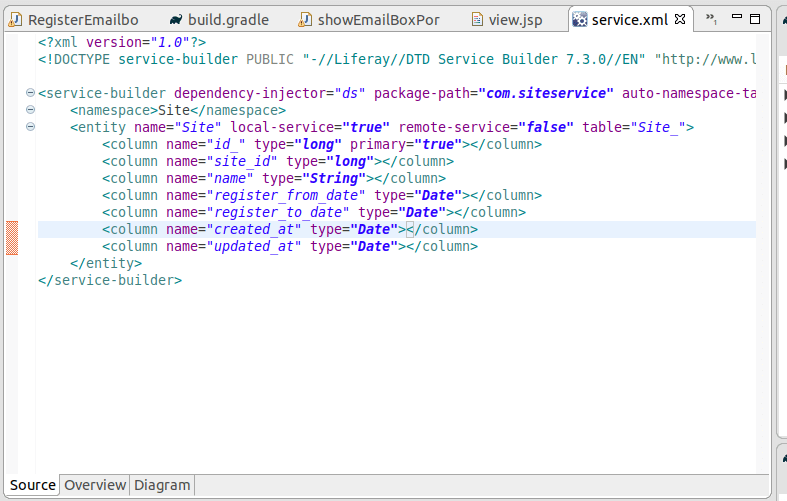
Services are created – For details check the previous article

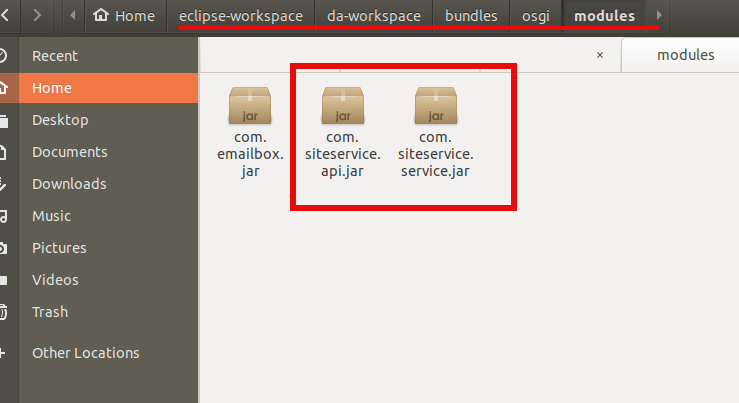
Folder structure for the portlet and the service builder

Add the details as shown in the below screenshots (If any doubt check the previous article).

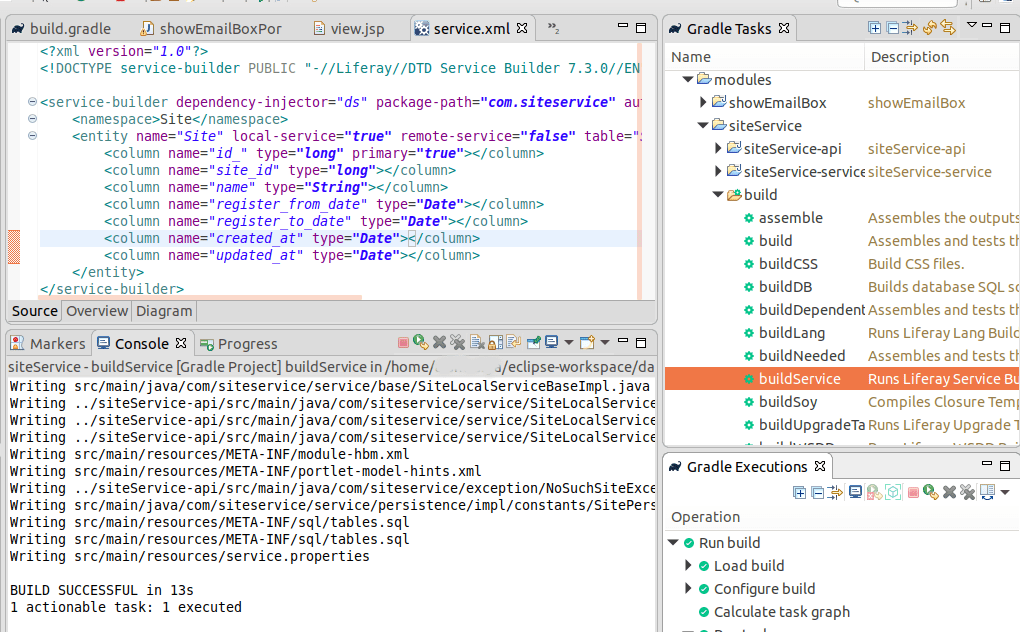
Do builder service and deploy

Copy this jar files one by one to the server’s deploy folder. First *api.jar and then *service.jar

Server logs:

liferay-ce-portal-tomcat-7.3.0-ga1-20200127150653953/liferay-ce-portal-7.3.0-ga1/osgi/modules][BundleStartStopLogger:39] STARTED com.siteservice.api_1.0.0 [1118]

liferay-ce-portal-7.3.0-ga1/osgi/modules][BundleStartStopLogger:39] STARTED com.siteservice.service_1.0.0 [1119]


Check the database, you can see the Site_ Table and columns are created.

Now add the service builder dependancy to the portlet

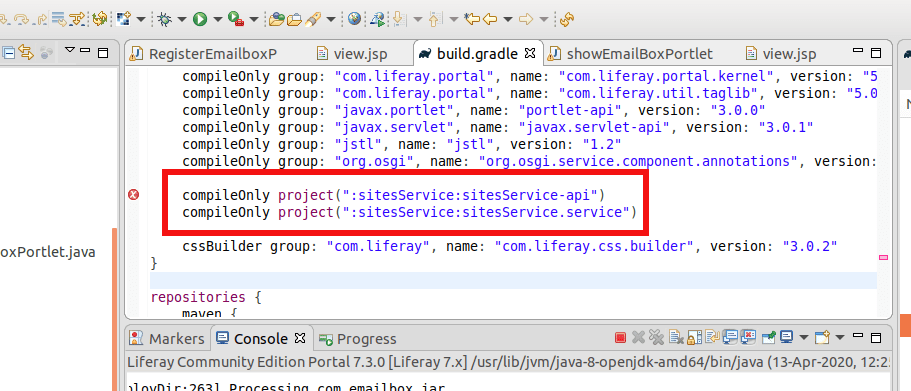
Add this two lines in the build.gradle file

Right click on showEmailBox portlet and gradle -> refresh gradle project

DONE! You are successfully binded the service builder to your portlet.

now add the following to your portal class file above the doView function

@Reference
private SiteLocalService _siteLocalService;

now you can use the following default functions provided by liferay on the service.

_siteLocalService.fetchSite(23);
_siteLocalService.createSite(2344);
_siteLocalService.deleteSite(2233);
_siteLocalService.getSitesCount();
_siteLocalService.updateSite(site);

But what is we needed to fetch suppose some sites which has particular site_id Or fetch all sites which has registered after this time etc?

For all these custom query to mysql db, we needed to create a custom finder methods. So lets create one.

Open service.xml of `siteService-service`

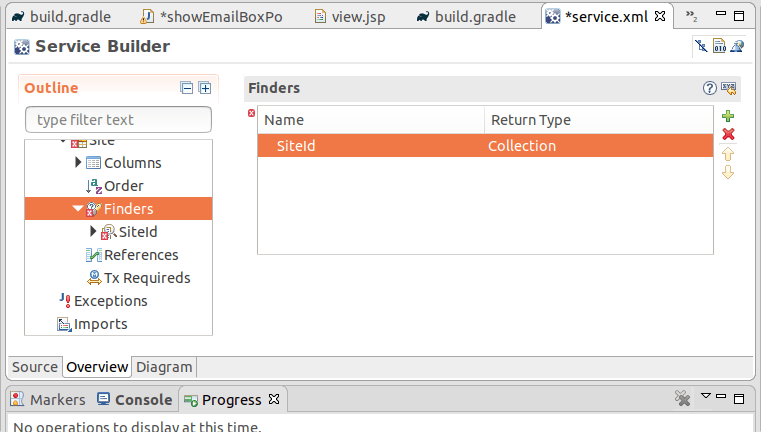
Click on Finders and add Name and Type

Click on Finder column and add the db column to find

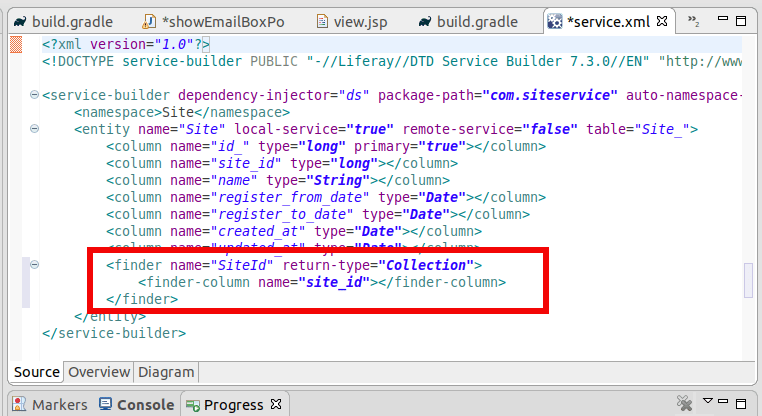
Click on Source, you can see the finder is added

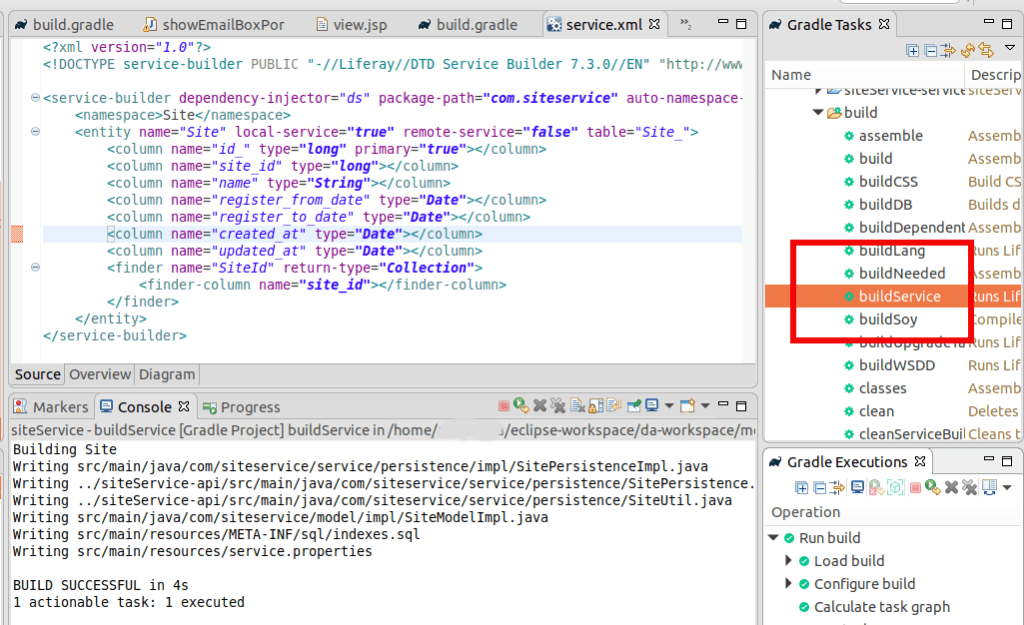
Double click on the buildService to build the service

Now we can add custom finder findBySiteId to this service.

Open siteLocalServiceImpl.java

package com.siteservice.service.impl;

import com.liferay.portal.aop.AopService;
import com.siteservice.model.Site;
import com.siteservice.service.base.SiteLocalServiceBaseImpl;

import java.util.List;

import org.osgi.service.component.annotations.Component;


@Component(
	property = "model.class.name=com.siteservice.model.Site",
	service = AopService.class
)
public class SiteLocalServiceImpl extends SiteLocalServiceBaseImpl {

	public List<Site> findBySiteId(long site_id) {
		return sitePersistence.findBySiteId(site_id);
	}
}

Now do the buildService for siteService. Then Gradle -> Refresh and deploy the service. Copy this jar files one by one to the server’s deploy folder. First *api.jar and then *service.jar

Refresh Gradle project for the portlet – showEmailBox

Add the following to the doView function of the portlet

Site site = _siteLocalService.findBySiteId(2233).get(0);
		
System.out.println("We got the site: ---------");
System.out.println(site);

and don’t forget to create a site entry in the database with id: 2233

mysql> insert into Site_ (id_, site_id, name, register_from_date, register_to_date, created_at, updated_at) values (1, 2233, 'Site 2020', '2020-01-01', '2020-06-19', CURDATE(), CURDATE());

deploy the portlet and check you are getting the site in the server console.

that’s it for now, will see in the next article.

Liferay 7.3: Configure IDE

Step 1. Download it from

Download from here:
https://liferay.dev/project/-/asset_publisher/TyF2HQPLV1b5/content/ide-installation-instructions

Extract it to your /home directory

Step 2. run the installer

./LiferayProjectSDKwithDevStudioCommunityEdition-201910152009-linux-x64-installer.run

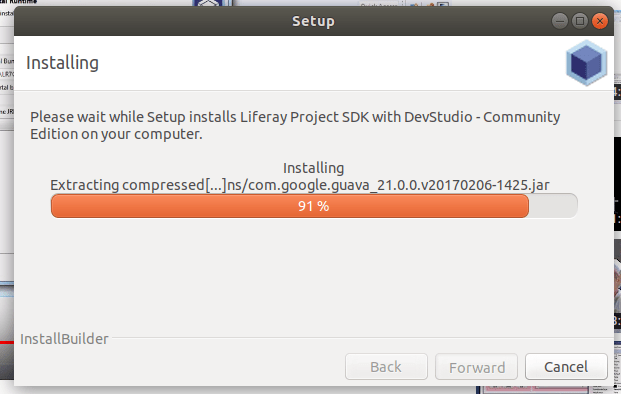
You can see the steps involving the process below.

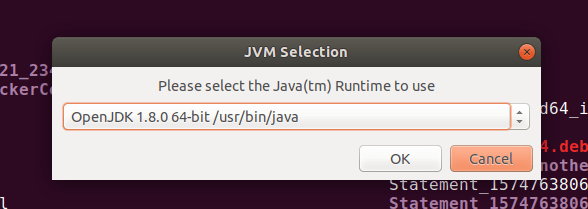
Select java runtime

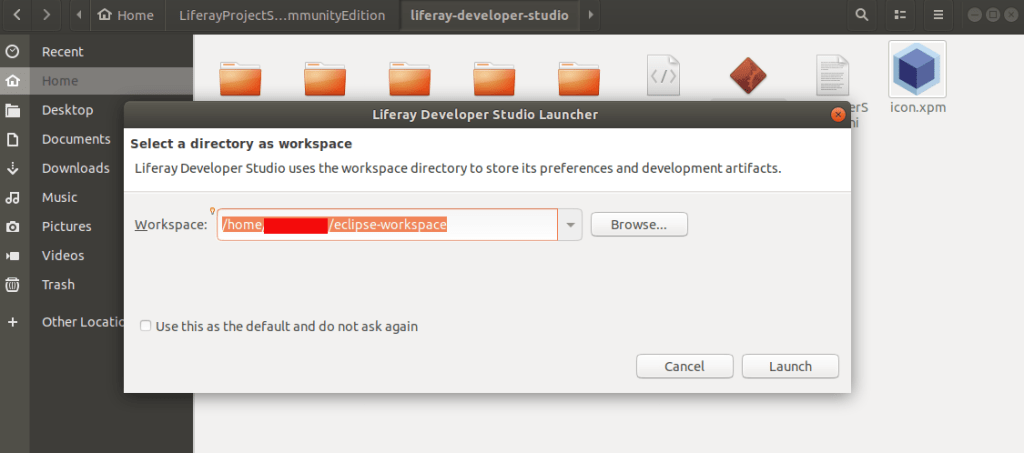
After install Open it. Double click on the following file:

~/LiferayProjectSDKwithDevStudioCommunityEdition/liferay-developer-studio/DeveloperStudio

you can see the welcome page. Close it.


Click on Workbench to start on

This is how Liferay Studio Workspace home page look like

You can create liferay plugins / projects etc from here.

Step 3. Click on right corner first button and open perspective.

select Liferay plugins

Open Perspective

Step 4. Left bottom corner there is ‘Servers’ Tab

right click on it and select ‘New’ -> ‘Server’

Select ‘Liferay inc’ -> Liferay 7.x and click next

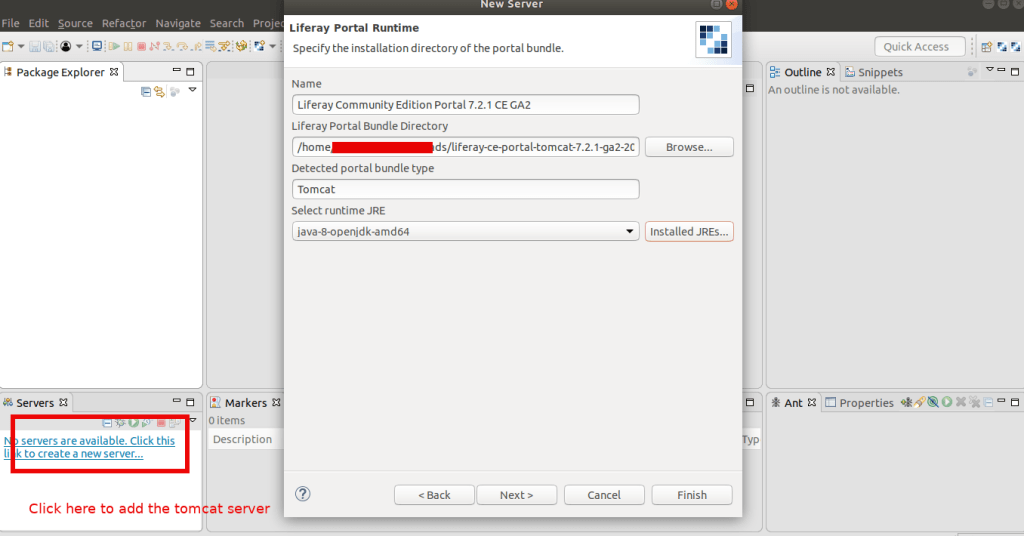
Add the tomcat server to your SDK to control the server from SDK. This helps you to see the server logs and other live status in IDE

Select the tomcat server path from your downloaded liferay portal

Make sure you are using the timestamp folder in the path of the server, else it not gonna work. It will show you an error like this:

If you start the tomcat server and try to access it without the timestamp PATH

You can add an existing resources created if available like theme etc to the server. If you don’t have any resources don’t worry. We are going to cover this in next chapter.

Click on the server name on the bottom left corner and you can see the configurations of the server.

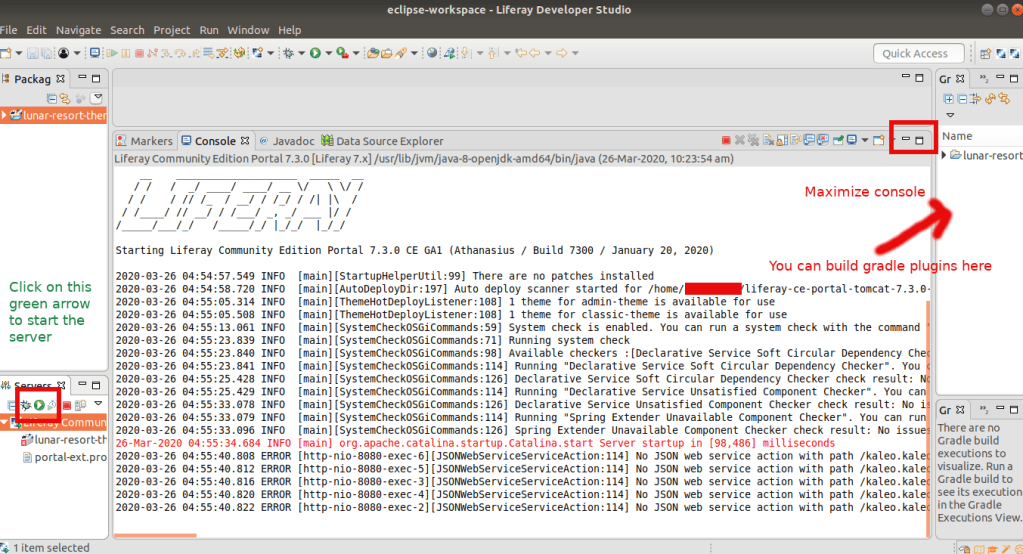
Server Started. You can see the server logs in the console