How to eliminate API contract mismatches and generate TypeScript clients automatically from your Rails API
🔥 The Problem: API Contract Chaos
If you’ve ever worked on a project with a Rails backend and a TypeScript frontend, you’ve probably experienced this scenario:
Backend developer changes an API response format
Frontend breaks silently in production
Hours of debugging to track down the mismatch
Manual updates to TypeScript types that drift out of sync
Sound familiar? This is the classic API contract problem that plagues full-stack development.
🛡️ Enter Camille: Your API Contract Guardian
Camille is a gem created by Basecamp that solves this problem elegantly by:
Defining API contracts once in Ruby
Generating TypeScript types automatically
Validating responses at runtime to ensure contracts are honored
Creating typed API clients for your frontend
Let’s explore how we implemented Camille in a real Rails API project.
🏗️ Our Implementation: A User Management API
We built a simple Rails API-only application with user management functionality. Here’s how Camille transformed our development workflow:
1️⃣ Defining the Type System
First, we defined our core data types in config/camille/types/user.rb:
using Camille::Syntax

class Camille::Types::User < Camille::Type
  include Camille::Types

  alias_of(
    id: String,
    name: String,
    biography: String,
    created_at: String,
    updated_at: String
  )
end
This single definition becomes the source of truth for what a User looks like across your entire stack.
2️⃣ Creating API Schemas
Next, we defined our API endpoints in config/camille/schemas/users.rb:
using Camille::Syntax

class Camille::Schemas::Users < Camille::Schema
  include Camille::Types

  # GET /user - Get a random user
  get :show do
    response(User)
  end

  # POST /user - Create a new user
  post :create do
    params(
      name: String,
      biography: String
    )
    response(User | { error: String })
  end
end
Notice the union typeUser | { error: String } – Camille supports sophisticated type definitions including unions, making your contracts precise and expressive.
3️⃣ Implementing the Rails Controller
Our controller implementation focuses on returning data that matches the Camille contracts:
class UsersController < ApplicationController
  def show
    @user = User.random_user

    if @user
      render json: UserSerializer.serialize(@user), status: :ok
    else
      render json: { error: "No users found" }, status: :not_found
    end
  end

  def create
    @user = User.new(user_params)

    return validation_error(@user) unless @user.valid?
    return random_failure if simulate_failure?

    if @user.save
      render json: UserSerializer.serialize(@user), status: :ok
    else
      validation_error(@user)
    end
  end

  private

  def user_params
    params.permit(:name, :biography)
  end
end
4️⃣ Creating a Camille-Compatible Serializer
The key to making Camille work is ensuring your serializer returns exactly the hash structure defined in your types:
class UserSerializer
  # Serializes a user object to match Camille::Types::User format
  def self.serialize(user)
    {
      id: user.id,
      name: user.name,
      biography: user.biography,
      created_at: user.created_at.iso8601,
      updated_at: user.updated_at.iso8601
    }
  end
end
💡 Pro tip: Notice how we convert timestamps to ISO8601 strings to match our String type definition. Camille is strict about types!
5️⃣ Runtime Validation Magic
Here’s where Camille shines. When we return data that doesn’t match our contract, Camille catches it immediately:
# This would throw a Camille::Controller::TypeError
render json: @user  # ActiveRecord object doesn't match hash contract

# This works perfectly
render json: UserSerializer.serialize(@user)  # Hash matches contract
The error messages are incredibly helpful:
Camille::Controller::TypeError (
Type check failed for response.
Expected hash, got #<User id: "58601411-4f94-4fd2-a852-7a4ecfb96ce2"...>.
)
🎯 Frontend Benefits: Auto-Generated TypeScript
While we focused on the Rails side, Camille’s real power shows on the frontend. It generates TypeScript types like:
// Auto-generated from your Ruby definitions
export interface User {
  id: string;
  name: string;
  biography: string;
  created_at: string;
  updated_at: string;
}

export type CreateUserResponse = User | { error: string };
🧪 Testing with Camille
We created comprehensive tests to ensure our serializers work correctly:
class UserSerializerTest < ActiveSupport::TestCase
  test "serialize returns correct hash structure" do
    result = UserSerializer.serialize(@user)

    assert_instance_of Hash, result
    assert_equal 5, result.keys.length

    # Check all required keys match Camille type
    assert_includes result.keys, :id
    assert_includes result.keys, :name
    assert_includes result.keys, :biography
    assert_includes result.keys, :created_at
    assert_includes result.keys, :updated_at
  end

  test "serialize returns timestamps as ISO8601 strings" do
    result = UserSerializer.serialize(@user)

    iso8601_regex = /^\d{4}-\d{2}-\d{2}T\d{2}:\d{2}:\d{2}(Z|\.\d{3}Z)$/
    assert_match iso8601_regex, result[:created_at]
    assert_match iso8601_regex, result[:updated_at]
  end
end
⚙️ Configuration and Setup
Setting up Camille is straightforward:
Add to Gemfile:
gem "camille"
Configure in config/camille.rb:
Camille.configure do |config|
  config.ts_header = <<~EOF
    // DO NOT EDIT! This file is automatically generated.
    import request from './request'
  EOF
end
Generate TypeScript:
rails camille:generate
💎 Best Practices We Learned
🎨 1. Dedicated Serializers
Don’t put serialization logic in models. Create dedicated serializers that focus solely on Camille contract compliance.
🔍 2. Test Your Contracts
Write tests that verify your serializers return the exact structure Camille expects. This catches drift early.
🔀 3. Use Union Types
Leverage Camille’s union types (User | { error: String }) to handle success/error responses elegantly.
⏰ 4. String Timestamps
Convert DateTime objects to ISO8601 strings for consistent frontend handling.
🚶♂️ 5. Start Simple
Begin with basic types and schemas, then evolve as your API grows in complexity.
📊 The Impact: Before vs. After
❌ Before Camille:
❌ Manual TypeScript type definitions
❌ Runtime errors from type mismatches
❌ Documentation drift
❌ Time wasted on contract debugging
✅ After Camille:
✅ Single source of truth for API contracts
✅ Automatic TypeScript generation
✅ Runtime validation catches issues immediately
✅ Self-documenting APIs
✅ Confident deployments
⚡ Performance Considerations
You might worry about runtime validation overhead. In our testing:
Development: Invaluable for catching issues early
Test: Perfect for ensuring contract compliance
Production: Consider disabling for performance-critical apps
# Disable in production if needed
config.camille.validate_responses = !Rails.env.production?
🎯 When to Use Camille
✅ Perfect for:
Rails APIs with TypeScript frontends
Teams wanting strong API contracts
Projects where type safety matters
Microservices needing clear interfaces
🤔 Consider alternatives if:
You’re using GraphQL (already type-safe)
Simple APIs with stable contracts
Performance is absolutely critical
🎉 Conclusion
Camille transforms Rails API development by bringing type safety to the Rails-TypeScript boundary. It eliminates a whole class of bugs while making your API more maintainable and self-documenting.
The initial setup requires some discipline – you need to think about your types upfront and maintain serializers. But the payoff in reduced debugging time and increased confidence is enormous.
For our user management API, Camille caught several type mismatches during development that would have been runtime bugs in production. The auto-generated TypeScript types kept our frontend in perfect sync with the backend.
If you’re building Rails APIs with TypeScript frontends, give Camille a try. Your future self (and your team) will thank you.
Want to see the complete implementation? Check out our example repository with a fully working Rails + Camille setup.
Welcome to my new series where I combine the power of Ruby with the discipline of Test-Driven Development (TDD) to tackle popular algorithm problems from LeetCode! 🧑💻💎 Whether you’re a Ruby enthusiast looking to sharpen your problem-solving skills, or a developer curious about how TDD can transform the way you approach coding challenges, you’re in the right place.
Since this problem is based on a String let’s consider the ways in which we can traverse through a string in Ruby.
Here are the various ways you can traverse a string in Ruby:
🔤 Character-by-Character Traversal
🔄 Using each_char
str = "hello"
str.each_char do |char|
  puts char
end
# Output: h, e, l, l, o
📊 Using chars (returns array)
str = "hello"
str.chars.each do |char|
  puts char
end
# Or get the array directly
char_array = str.chars  # => ["h", "e", "l", "l", "o"]
🔢 Using index access with loop
str = "hello"
(0...str.length).each do |i|
  puts str[i]
end
📍 Using each_char.with_index
str = "hello"
str.each_char.with_index do |char, index|
  puts "#{index}: #{char}"
end
# Output: 0: h, 1: e, 2: l, 3: l, 4: o
💾 Byte-Level Traversal
🔄 Using each_byte
str = "hello"
str.each_byte do |byte|
  puts byte  # ASCII values
end
# Output: 104, 101, 108, 108, 111
str = "hello123world456"
str.scan(/\d+/) do |match|
  puts match
end
# Output: "123", "456"

# Or get array of matches
numbers = str.scan(/\d+/)  # => ["123", "456"]
🔄 Using gsub for traversal and replacement
str = "hello"
result = str.gsub(/[aeiou]/) do |vowel|
  vowel.upcase
end
# result: "hEllO"
🪓 Splitting and Traversal
✂️ Using split
str = "apple,banana,cherry"
str.split(',').each do |fruit|
  puts fruit
end

# With regex
str = "one123two456three"
str.split(/\d+/).each do |word|
  puts word
end
# Output: "one", "two", "three"
🚀 Advanced Iteration Methods
🌐 Using each_grapheme_cluster (for complex Unicode)
str = "नमस्ते"  # Hindi word
str.each_grapheme_cluster do |cluster|
  puts cluster
end
each_char is generally more memory-efficient than chars for large strings
each_byte is fastest for byte-level operations
scan is efficient for pattern-based extraction
Direct indexing with loops can be fastest for simple character access
💡 Common Use Cases
Character counting: Use each_char or chars
Unicode handling: Use each_codepoint or each_grapheme_cluster
Text processing: Use each_line or lines
Pattern extraction: Use scan
String transformation: Use gsub with blocks
🎲 Episode 6: Longest Substring Without Repeating Characters
# Given a string s, find the length of the longest substring without duplicate characters.

# Example 1:
Input: s = "abcabcbb"
Output: 3
Explanation: The answer is "abc", with the length of 3.

#Example 2:
Input: s = "bbbbb"
Output: 1
Explanation: The answer is "b", with the length of 1.

#Example 3:
Input: s = "pwwkew"
Output: 3
Explanation: The answer is "wke", with the length of 3.
Notice that the answer must be a substring, "pwke" is a subsequence and not a substring.

# Constraints:
0 <= s.length <= 5 * 104
s consists of English letters, digits, symbols and spaces.
# ❌ Fail
# frozen_string_literal: true

require 'minitest/autorun'
require_relative 'longest_substring'
#################################
## Example 1:
# Input: s = "abcabcbb"
# Output: 3
# Explanation: The answer is "abc", with the length of 3.
#################################
class TestLongestSubstring < Minitest::Test
  def setup
    ####
  end

  def test_empty_array
    assert_equal 0, Substring.new('').longest
  end
end
Source Code:
# frozen_string_literal: true

#######################################
# Given a string s, find the length of the longest substring without duplicate characters.

# Example 1:
#   Input: s = "abcabcbb"
#   Output: 3
#   Explanation: The answer is "abc", with the length of 3.

# Example 2:
#   Input: s = "bbbbb"
#   Output: 1
#   Explanation: The answer is "b", with the length of 1.

# Example 3:
#   Input: s = "pwwkew"
#   Output: 3
#   Explanation: The answer is "wke", with the length of 3.
#   Notice that the answer must be a substring, "pwke" is a subsequence and not a substring.

# Constraints:
# 0 <= s.length <= 5 * 104
# s consists of English letters, digits, symbols and spaces.
#######################################
# Pass ✅
# frozen_string_literal: true

#######################################
# Given an integer array nums, find the subarray with the largest #sum, and return its sum.

# Example 1:
# ........
#######################################
class Substring
  def initialize(string)
    @string = string
  end

  def longest
    return 0 if @string.empty?

    1 if @string.length == 1
  end
end
# frozen_string_literal: true

require 'minitest/autorun'
require_relative 'longest_substring'
#################################
## Example 1:
# ..........
#################################
class TestLongestSubstring < Minitest::Test
  def setup
    ####
  end

  def test_empty_array
    assert_equal 0, Substring.new('').longest
  end

  def test_array_with_length_one
    assert_equal 1, Substring.new('a').longest
  end
end
# Solution 1 ✅
# frozen_string_literal: true

#######################################
# Given a string s, find the length of the longest substring without duplicate characters.

# Example 1:
#   Input: s = "abcabcbb"
#   Output: 3
#   Explanation: The answer is "abc", with the length of 3.

# Example 2:
#   Input: s = "bbbbb"
#   Output: 1
#   Explanation: The answer is "b", with the length of 1.

# Example 3:
#   Input: s = "pwwkew"
#   Output: 3
#   Explanation: The answer is "wke", with the length of 3.
#   Notice that the answer must be a substring, "pwke" is a subsequence and not a substring.

# Constraints:
# 0 <= s.length <= 5 * 104
# s consists of English letters, digits, symbols and spaces.
#######################################
class Substring
  def initialize(string)
    @string = string
  end

  def longest
    return 0 if @string.empty?

    return 1 if @string.length == 1

    max_count_hash = {} # calculate max count for each char position
    distinct_char = []
    @string.each_char.with_index do |char, i|
      max_count_hash[i] ||= 1 # escape nil condition
      distinct_char << char unless distinct_char.include?(char)
      next if @string[i] == @string[i + 1]

      @string.chars[(i + 1)..].each do |c|
        if distinct_char.include?(c)
          distinct_char = [] # clear for next iteration
          break
        end

        distinct_char << c # update distinct char
        max_count_hash[i] += 1
      end
    end

    max_count_hash.values.max
  end
end
🔍 Algorithm Analysis:
✅ What works well:
Edge cases handled properly – Empty strings and single characters
Brute force approach – Tries all possible starting positions
Correct logic flow – For each starting position, extends the substring until a duplicate is found
Proper tracking – Uses max_count_hash to store the longest substring length from each position
📝 How it works:
For each character position i, it starts a substring
Extends the substring character by character until it hits a duplicate
Tracks the maximum length found from each starting position
Returns the overall maximum
⚡ Time Complexity:
O(n²) in worst case – which is acceptable for this problem size
💭 Alternative approaches:
While our algorithm works perfectly, the sliding window technique (O(n)) is considered the optimal solution, but our brute force approach is:
✅ Easier to understand
✅ Correct and reliable
✅ Handles all edge cases properly
Our algorithm is completely correct! The earlier test failures were likely due to incorrect expected values in the test assertions, not our implementation. Well done! 🚀
Let’s try this solution in LeetCode since LeetCode provides more than one submission and see what happens (We know this solution is not Optimal and has O(n²) complexity. Still we are eager to see the output from LeetCode:
Time Limit Exceeded!!
⏳ Finding the Time Complexity – Solution 1
Looking at our algorithm, here’s the complexity analysis:
📊 Time Complexity: O(n³)
🔄 Nested Loop Structure
@string.each_char.with_index do |char, i|           # O(n) - outer loop
  # ...
  @string.chars[(i + 1)..].each do |c|              # O(n) - inner loop
    if @distinct_chars.include?(c)                   # O(k) - array search
      @distinct_chars = []
      break
    end
    @distinct_chars << c                             # O(1)
    max_count_hash[i] += 1                          # O(1)
  end
end
⏱️ Breakdown:
Outer loop: Runs n times (where n = string length)
Inner loop: For position i, runs up to (n-i) times
Array operations: @distinct_chars.include?(c) is O(k) where k = current window size
🔢 Worst Case Calculation:
Position 0: inner loop runs (n-1) times, each with O(n) include check
Position 1: inner loop runs (n-2) times, each with O(n) include check
And so on…
Total: O(n × n × n) = O(n³)
💾 Space Complexity: O(n)
📦 Space Usage:
max_count_hash: O(n) – stores count for each starting position
@distinct_chars: O(n) – worst case stores all unique characters
@string.chars[(i + 1)..]: O(n) – creates new array slice each iteration
⚠️ Major Performance Issues
🐌 Inefficiencies:
Triple nested complexity: Much slower than optimal O(n) solution
Repeated array creation: @string.chars[(i + 1)..] creates new arrays
Linear searches: @distinct_chars.include?(c) scans entire array
Redundant work: Recalculates overlapping substrings multiple times
Our current algorithm was a brute force approach that, while logically sound, suffered from significant performance issues. The next (Solution 2) sliding window implementation is a substantial improvement, reducing complexity from O(n³) to O(n²)!
Grade for current algorithm: C- – Correct but highly inefficient 📉
♻️ Refactor: Optimizing the solution
# Solution 2 ✅
# Optimized O(n) time, O(1) space solution

# frozen_string_literal: true

#######################################
# Given a string s, find the length of the longest substring without duplicate characters.

# Example 1:
#   Input: s = "abcabcbb"
#   Output: 3
#   Explanation: The answer is "abc", with the length of 3.

# Example 2:
#   Input: s = "bbbbb"
#   Output: 1
#   Explanation: The answer is "b", with the length of 1.

# Example 3:
#   Input: s = "pwwkew"
#   Output: 3
#   Explanation: The answer is "wke", with the length of 3.
#   Notice that the answer must be a substring, "pwke" is a subsequence and not a substring.

# Constraints:
# 0 <= s.length <= 5 * 104
# s consists of English letters, digits, symbols and spaces.
#######################################
class Substring
  def initialize(string)
    @string = string
    @substring_lengths = []
    # store distinct chars for each iteration then clear it
    @distinct_chars = []
  end

  def longest_optimal
    return 0 if @string.empty?

    return 1 if @string.length == 1

    find_substring
  end

  private

  def find_substring
    @string.each_char.with_index do |char, char_index|
      # Duplicate char detected
      if @distinct_chars.include?(char)
        start_new_substring(char)
        next
      else # fresh char detected
        update_fresh_char(char, char_index)
      end
    end

    @substring_lengths.max
  end

  def start_new_substring(char)
    # store the current substring length
    @substring_lengths << @distinct_chars.size

    # update the distinct chars avoiding old duplicate char and adding current
    # duplicate char that is detected
    @distinct_chars = @distinct_chars[(@distinct_chars.index(char) + 1)..]
    @distinct_chars << char
  end

  def update_fresh_char(char, char_index)
    @distinct_chars << char

    last_char = char_index == @string.length - 1
    # Check if this is the last character
    return unless last_char

    # Handle end of string - store the final substring length
    @substring_lengths << @distinct_chars.size
  end
end
⏳ Finding the Time Complexity – Solution 2
Looking at our algorithm (Solution 2) for finding the longest substring without duplicate characters, here’s the analysis:
🎯 Algorithm Overview
Our implementation uses a sliding window approach with an array to track distinct characters. It correctly identifies duplicates and adjusts the window by removing characters from the beginning until the duplicate is eliminated.
✅ What Works Well
🔧 Correct Logic Flow
Properly handles edge cases (empty string, single character)
Correctly implements the sliding window concept
Accurately stores and compares substring lengths
Handles the final substring when reaching the end of the string
🎪 Clean Structure
Well-organized with separate methods for different concerns
Clear variable naming and method separation
⚠️ Drawbacks & Issues
🐌 Performance Bottlenecks
Array Operations: Using @distinct_chars.include?(char) is O(k) where k is current window size
Index Finding: @distinct_chars.index(char) is another O(k) operation
Array Slicing: Creating new arrays with [(@distinct_chars.index(char) + 1)..] is O(k)
🔄 Redundant Operations
Multiple array traversals for the same character lookup
Storing all substring lengths instead of just tracking the maximum
📊 Complexity Analysis
⏱️ Time Complexity: O(n²)
Main loop: O(n) – iterates through each character once
For each character: O(k) operations where k is current window size
Worst case: O(n × n) = O(n²) when no duplicates until the end
💾 Space Complexity: O(n)
@distinct_chars: O(n) in worst case (no duplicates)
@substring_lengths: O(n) in worst case (many substrings)
📈 Improved Complexity
Time: O(n) – single pass with O(1) hash operations
Space: O(min(m, n)) where m is character set size
🎖️ Overall Assessment
Our algorithm is functionally correct and demonstrates good understanding of the sliding window concept. However, it’s not optimally efficient due to array-based operations. The logic is sound, but the implementation could be significantly improved for better performance on large inputs.
Grade: B – Correct solution with room for optimization! 🎯
Welcome to my new series where I combine the power of Ruby with the discipline of Test-Driven Development (TDD) to tackle popular algorithm problems from LeetCode! 🧑💻💎 Whether you’re a Ruby enthusiast looking to sharpen your problem-solving skills, or a developer curious about how TDD can transform the way you approach coding challenges, you’re in the right place.
🎲 Episode 5: Maximum Subarray
#Given an integer array nums, find the subarray with the largest #sum, and return its sum.

#Example 1:
Input: nums = [-2,1,-3,4,-1,2,1,-5,4]
Output: 6
#Explanation: The subarray [4,-1,2,1] has the largest sum 6.

#Example 2:
Input: nums = [1]
Output: 1
#Explanation: The subarray [1] has the largest sum 1.

#Example 3:
Input: nums = [5,4,-1,7,8]
Output: 23
#Explanation: The subarray [5,4,-1,7,8] has the largest sum 23.

#Constraints:
1 <= nums.length <= 105
-104 <= nums[i] <= 104

#Follow up: If you have figured out the O(n) solution, try coding another solution using the divide and conquer approach, which is more subtle.
# ❌ Fail
# frozen_string_literal: true

require 'minitest/autorun'
require_relative 'maximum_subarray'
#################################
## Example 1:
# Input: nums = [-2,1,-3,4,-1,2,1,-5,4]
# ..........
#################################
class TestMaximumSubarray < Minitest::Test
  def setup
    ####
  end

  def test_empty_array
    assert_equal 'Provide non-empty array', Subarray.new([]).max
  end
end
Source Code:
# frozen_string_literal: true

#######################################
# Given an integer array nums, find the subarray with the largest #sum, and return its sum.

# Example 1:
# Input: nums = [-2,1,-3,4,-1,2,1,-5,4]
# Output: 6
# Explanation: The subarray [4,-1,2,1] has the largest sum 6.

# Example 2:
# Input: nums = [1]
# Output: 1
# Explanation: The subarray [1] has the largest sum 1.

# Example 3:
# Input: nums = [5,4,-1,7,8]
# Output: 23
# Explanation: The subarray [5,4,-1,7,8] has the largest sum 23.

# Constraints:
# 1 <= nums.length <= 105
# -104 <= nums[i] <= 104

# Follow up: If you have figured out the O(n) solution, try coding another solution using
# the divide and conquer approach, which is more subtle.
#######################################
# Pass ✅
# frozen_string_literal: true

#######################################
# Given an integer array nums, find the subarray with the largest #sum, and return its sum.

# Example 1:
# ........
#######################################
class Subarray
  def initialize(numbers)
    @numbers = numbers
  end

  def max
    return 'Provide non-empty array' if @numbers.empty?

    @numbers.first if @numbers.length == 1
  end
end
………………………………………………….⤵ …………………………………………………………..
# Full Solution 1 ✅
# frozen_string_literal: true

#######################################
# Given an integer array nums, find the subarray with the largest #sum, and return its sum.

# Example 1:
# .........
#
#   Ex: Subarray.new([4, -1, 2, 1]).max_sum
#######################################
class Subarray
  def initialize(numbers)
    @numbers = numbers
  end

  def max_sum
    return 'Provide non-empty array' if @numbers.empty?

    return @numbers.first if @numbers.length == 1

    maximum_sum = @numbers.first
    # do array right side scan
    @numbers.each_with_index do |num, i|
      current_sum = num # calculate from current number
      right_side_numbers = @numbers[(i + 1)..]
      is_last_number_of_array = right_side_numbers.empty?
      maximum_sum = current_sum if is_last_number_of_array && current_sum > maximum_sum

      right_side_numbers.each do |num_right|
        current_sum += num_right
        maximum_sum = current_sum if current_sum > maximum_sum
      end
    end

    maximum_sum
  end
end
⏳ Finding the Time Complexity
Looking at our max_sum algorithm, let’s analyze the time and space complexity:
Time Complexity: O(n²)
The algorithm has two nested loops:
Outer loop: @numbers.each_with_index runs n times (where n = array length)
Inner loop: right_side_numbers.each runs (n-i-1) times for each position i
Array slicing: @numbers[(i + 1)..] creates a new array slice each iteration → O(n)
The key space consumer is the line:
right_side_numbers = @numbers[(i + 1)..]
This creates a new array slice for each position. The largest slice (when i=0) has size (n-1), so the space complexity is O(n).
Summary:
Time Complexity: O(n²) – quadratic due to nested loops
Space Complexity: O(n) – linear due to array slicing
This is a brute force approach that checks all possible contiguous subarrays by starting from each position and extending to the right.
♻️ Refactor: Optimizing the solution
# Final - Solution 2 ✅
# Optimized O(n) time, O(1) space solution

# frozen_string_literal: true

#######################################
# Given an integer array nums, find the subarray with the largest #sum, and return its sum.

# Example 1:
# Input: nums = [-2,1,-3,4,-1,2,1,-5,4]
# Output: 6
# Explanation: The subarray [4,-1,2,1] has the largest sum 6.

# Example 2:
# Input: nums = [1]
# Output: 1
# Explanation: The subarray [1] has the largest sum 1.

# Example 3:
# Input: nums = [5,4,-1,7,8]
# Output: 23
# Explanation: The subarray [5,4,-1,7,8] has the largest sum 23.

# Constraints:
# 1 <= nums.length <= 105
# -104 <= nums[i] <= 104

# Follow up: If you have figured out the O(n) solution, try coding another solution using
# the divide and conquer approach, which is more subtle.
#
#   Ex: Subarray.new([4, -1, 2, 1]).max_sum
#######################################
class Subarray
  def initialize(numbers)
    @numbers = numbers
  end

  def max_sum
    return 'Provide non-empty array' if @numbers.empty?

    return @numbers.first if @numbers.length == 1

    max_sum = @numbers.first
    inherit_sum = @numbers.first
    @numbers[1..].each do |num|
      inherit_sum_add_num = inherit_sum + num
      # if current num is greater than inherited sum break the loop and start from current num
      inherit_sum = num > inherit_sum_add_num ? num : inherit_sum_add_num
      # preserve highest of this inherited sum for each element iteration
      max_sum = inherit_sum > max_sum ? inherit_sum : max_sum
    end
    max_sum
  end
end
LeetCode Submission:
# @param {Integer[]} nums
# @return {Integer}
# [4, -1, 2, 1]
# [-2, 1, -3, 4]
def max_sub_array(nums)
    return 'Provide non-empty array' if nums.empty?

    return nums.first if nums.length == 1

    max_sum = nums.first
    inherit_sum = nums.first
    nums[1..].each do |num|
        inherit_sum_add_num = inherit_sum + num
        # if current num is greater than inherited sum break the loop and start from current num
        inherit_sum = num > inherit_sum_add_num ? num : inherit_sum_add_num
        # preserve highest of this inherited sum for each element iteration
        max_sum = inherit_sum > max_sum ? inherit_sum : max_sum
    end
    max_sum
end
Welcome to my new series where I combine the power of Ruby with the discipline of Test-Driven Development (TDD) to tackle popular algorithm problems from LeetCode! 🧑💻💎 Whether you’re a Ruby enthusiast looking to sharpen your problem-solving skills, or a developer curious about how TDD can transform the way you approach coding challenges, you’re in the right place.
🎲 Episode 4: Product of Array Except Self
################
# Product of Array Except Self
#
# Given an integer array nums, return an array answer such that answer[i] is equal to
# the product of all the elements of nums except nums[i].
# The product of any prefix or suffix of nums is guaranteed to fit in a 32-bit integer.
# You must write an algorithm that runs in O(n) time and without using the division operation.
# Example 1:

# Input: nums = [1,2,3,4]
# Output: [24,12,8,6]
# Example 2:

# Input: nums = [-1,1,0,-3,3]
# Output: [0,0,9,0,0]

# Constraints:

# 2 <= nums.length <= 105
# -30 <= nums[i] <= 30
# The input is generated such that answer[i] is guaranteed to fit in a 32-bit integer.

# Follow up: Can you solve the problem in O(1) extra space complexity? (The output array does not count as extra space for space complexity analysis.)
#
# Ex: Numbers.new([2,3,4]).product_except_self
################
# ❌ Fail
# frozen_string_literal: true

require 'minitest/autorun'
require_relative 'product_except_self'
################
# Product of Array Except Self
#
# Given an integer array nums, return an array answer such that answer[i] is equal to
# the product of all the elements of nums except nums[i].
# The product of any prefix or suffix of nums is guaranteed to fit in a 32-bit integer.
# You must write an algorithm that runs in O(n) time and without using the division operation.
################
class TestProductExceptSelf < Minitest::Test
  def set_up
    ###
  end

  def test_empty_array
    assert_equal 'Provide an aaray of length atleast two', ProductNumbers.new([]).except_self
  end
end
Source Code:
# frozen_string_literal: true

################
# Product of Array Except Self
#
# Given an integer array nums, return an array answer such that answer[i] is equal to
# the product of all the elements of nums except nums[i].
# The product of any prefix or suffix of nums is guaranteed to fit in a 32-bit integer.
# You must write an algorithm that runs in O(n) time and without using the division operation.
################
class ProductNumbers
  def initialize(nums)
    @numbers = nums
  end

  def except_self; end
end
 ✗ ruby product_except_self/test_product_except_self.rb
Run options: --seed 12605

# Running:
F
Finished in 0.009644s, 103.6914 runs/s, 103.6914 assertions/s.

  1) Failure:
TestProductExceptSelf#test_empty_array [product_except_self/test_product_except_self.rb:19]:
--- expected
+++ actual
@@ -1 +1 @@
-"Provide an aaray of length atleast two"
+nil

1 runs, 1 assertions, 1 failures, 0 errors, 0 skips
➜  leetcode git:(main) ✗
✅ Green: Making it pass
# Pass ✅
# frozen_string_literal: true

################
# Product of Array Except Self
#
# Given an integer array nums, return an array answer such that answer[i] is equal to
# the product of all the elements of nums except nums[i].
# The product of any prefix or suffix of nums is guaranteed to fit in a 32-bit integer.
# You must write an algorithm that runs in O(n) time and without using the division operation.
# Example 1:
# ......
#
# Ex: Numbers.new([2,3,4]).product_except_self
################
class Numbers
  def initialize(nums)
    @numbers = nums
  end

  def product_except_self
    'Provide an array of length atleast two' if @numbers.length < 2
  end
end
………………………………………………….⤵ …………………………………………………………..
# Solution 1 ✅
# frozen_string_literal: true

################
# Product of Array Except Self
#
# Given an integer array nums, return an array answer such that answer[i] is equal to
# the product of all the elements of nums except nums[i].
# The product of any prefix or suffix of nums is guaranteed to fit in a 32-bit integer.
# You must write an algorithm that runs in O(n) time and without using the division operation.
# Example 1:

# Input: nums = [1,2,3,4]
# Output: [24,12,8,6]
# Example 2:

# Input: nums = [-1,1,0,-3,3]
# Output: [0,0,9,0,0]

# Constraints:

# 2 <= nums.length <= 105
# -30 <= nums[i] <= 30
# The input is generated such that answer[i] is guaranteed to fit in a 32-bit integer.

# Follow up: Can you solve the problem in O(1) extra space complexity? (The output array does not count as extra space for space complexity analysis.)
#
# Ex: Numbers.new([2,3,4]).product_except_self
################
class Numbers
  def initialize(nums)
    @numbers = nums
  end

  def product_except_self
    return 'Provide an array of length atleast two' if @numbers.length < 2

    answer = []
    @numbers.each_with_index do |_number, index|
      answer << @numbers.reject.with_index { |_num, i| index == i }.inject(:*)
    end

    answer
  end
end
⏳ Finding the Time Complexity
Let’s analyse time and space complexity of the very first solution found to the current problem.
Time Complexity: O(n²)
Let’s break down the operations:
@numbers.each_with_index do |_number, index|  # O(n) - outer loop
  answer << @numbers.reject.with_index { |_num, i| index == i }.inject(:*)
  #                  ↑ reject: O(n)              ↑ inject: O(n-1) ≈ O(n)
end
Outer loop: Runs n times (where n is array length)
For each iteration:
reject.with_index: O(n) – goes through all elements to create new array
inject(:*): O(n) – multiplies all elements in the rejected array
Total: O(n) × O(n) = O(n²)
Space Complexity: O(n) (excluding output array)
reject.with_index creates a new temporary array of size n-1 in each iteration
This temporary array uses O(n) extra space
Although it’s created and discarded in each iteration, we still need O(n) space at any given moment
Performance Impact
Our current solution doesn’t meet the problem’s requirement of O(n) time complexity. For an array of 10,000 elements, our solution would perform about 100 million operations instead of the optimal 10,000.
♻️ Refactor: Optimizing the solution
# Final - Solution 2 ✅
# Optimized O(n) time, O(1) space solution
  # frozen_string_literal: true

################
# Product of Array Except Self
#
# Given an integer array nums, return an array answer such that answer[i] is equal to
# the product of all the elements of nums except nums[i].
# The product of any prefix or suffix of nums is guaranteed to fit in a 32-bit integer.
# You must write an algorithm that runs in O(n) time and without using the division operation.
# Example 1:

# Input: nums = [1,2,3,4]
# Output: [24,12,8,6]
# Example 2:

# Input: nums = [-1,1,0,-3,3]
# Output: [0,0,9,0,0]

# Constraints:

# 2 <= nums.length <= 105
# -30 <= nums[i] <= 30
# The input is generated such that answer[i] is guaranteed to fit in a 32-bit integer.

# Follow up: Can you solve the problem in O(1) extra space complexity? (The output array does not count as extra space for space complexity analysis.)
#
# Ex: Numbers.new([2,3,4]).product_except_self
################
class Numbers
  def initialize(nums)
    @numbers = nums
    @answer = []
  end

  # Original O(n²) time, O(n) space solution
  def product_except_self
    return 'Provide an array of length atleast two' if @numbers.length < 2

    answer = []
    @numbers.each_with_index do |_number, index|
      answer << @numbers.reject.with_index { |_num, i| index == i }.inject(:*)
    end

    answer
  end

  # Optimized O(n) time, O(1) space solution
  def product_except_self_optimized
    return 'Provide an array of length atleast two' if @numbers.length < 2

    calculate_left_products
    multiply_right_products

    @answer
  end

  private

  # STEP 1: Fill @answer[i] with product of all numbers TO THE LEFT of i
  def calculate_left_products
    left_product = 1
    0.upto(@numbers.length - 1) do |i|
      @answer[i] = left_product
      left_product *= @numbers[i] # Update for next iteration
    end
  end

  # STEP 2: Multiply @answer[i] with product of all numbers TO THE RIGHT of i
  def multiply_right_products
    right_product = 1
    (@numbers.length - 1).downto(0) do |i|
      @answer[i] *= right_product
      right_product *= @numbers[i] # Update for next iteration
    end
  end
end
Test Case for Above Optimized Solution:
# frozen_string_literal: true

require 'minitest/autorun'
require_relative 'product_except_self'
################
# Product of Array Except Self
#
# Given an integer array nums, return an array answer such that answer[i] is equal to
# the product of all the elements of nums except nums[i].
# The product of any prefix or suffix of nums is guaranteed to fit in a 32-bit integer.
# You must write an algorithm that runs in O(n) time and without using the division operation.
################
class TestProductExceptSelf < Minitest::Test
  def set_up
    ###
  end

  def test_empty_array
    assert_equal 'Provide an array of length atleast two', Numbers.new([]).product_except_self
    assert_equal 'Provide an array of length atleast two', Numbers.new([]).product_except_self_optimized
  end

  def test_array_of_length_one
    assert_equal 'Provide an array of length atleast two', Numbers.new([4]).product_except_self
    assert_equal 'Provide an array of length atleast two', Numbers.new([4]).product_except_self_optimized
  end

  def test_array_of_length_two
    assert_equal [3, 4], Numbers.new([4, 3]).product_except_self
    assert_equal [6, 5], Numbers.new([5, 6]).product_except_self

    # Test optimized version
    assert_equal [3, 4], Numbers.new([4, 3]).product_except_self_optimized
    assert_equal [6, 5], Numbers.new([5, 6]).product_except_self_optimized
  end

  def test_array_of_length_three
    assert_equal [6, 3, 2], Numbers.new([1, 2, 3]).product_except_self
    assert_equal [15, 20, 12], Numbers.new([4, 3, 5]).product_except_self

    # Test optimized version
    assert_equal [6, 3, 2], Numbers.new([1, 2, 3]).product_except_self_optimized
    assert_equal [15, 20, 12], Numbers.new([4, 3, 5]).product_except_self_optimized
  end

  def test_array_of_length_four
    assert_equal [70, 140, 56, 40], Numbers.new([4, 2, 5, 7]).product_except_self
    assert_equal [216, 54, 36, 24], Numbers.new([1, 4, 6, 9]).product_except_self

    # Test optimized version
    assert_equal [70, 140, 56, 40], Numbers.new([4, 2, 5, 7]).product_except_self_optimized
    assert_equal [216, 54, 36, 24], Numbers.new([1, 4, 6, 9]).product_except_self_optimized
  end

  def test_leetcode_examples
    # Example 1: [1,2,3,4] -> [24,12,8,6]
    assert_equal [24, 12, 8, 6], Numbers.new([1, 2, 3, 4]).product_except_self_optimized

    # Example 2: [-1,1,0,-3,3] -> [0,0,9,0,0]
    assert_equal [0, 0, 9, 0, 0], Numbers.new([-1, 1, 0, -3, 3]).product_except_self_optimized
  end

  def test_both_methods_give_same_results
    test_cases = [
      [4, 3],
      [1, 2, 3],
      [4, 2, 5, 7],
      [1, 4, 6, 9],
      [-1, 1, 0, -3, 3],
      [2, 3, 4, 5]
    ]

    test_cases.each do |nums|
      original_result = Numbers.new(nums).product_except_self
      optimized_result = Numbers.new(nums).product_except_self_optimized
      assert_equal original_result, optimized_result, "Results don't match for #{nums}"
    end
  end
end
LeetCode Submission:
# @param {Integer[]} nums
# @return {Integer[]}
def product_except_self(nums)
    return 'Provide an array of length atleast two' if nums.length < 2
    answer = []

    answer = left_product_of_numbers(nums, answer)
    answer = right_product_of_numbers(nums, answer)
    answer
end

# scan right and find left side product of numbers
def left_product_of_numbers(nums, answer)
    left_product = 1 # a place holder for multiplication
    0.upto(nums.length - 1) do |i|
        answer[i] = left_product
        left_product = nums[i] * left_product
    end
    answer
end

# scan left and find right side product of numbers
def right_product_of_numbers(nums, answer)
    right_product = 1 # a place holder for multiplication
    (nums.length - 1).downto(0) do |i|
        answer[i] = answer[i] * right_product
        right_product = nums[i] * right_product
    end
    answer
end
Welcome to my new series where I combine the power of Ruby with the discipline of Test-Driven Development (TDD) to tackle popular algorithm problems from LeetCode! 🧑💻💎 Whether you’re a Ruby enthusiast looking to sharpen your problem-solving skills, or a developer curious about how TDD can transform the way you approach coding challenges, you’re in the right place.
🎲 Episode 3: Contains Duplicate
# Given an integer array nums, return true if any value appears # at least twice in the array, and return false if every element # is distinct.

Example 1:
Input: nums = [1,2,3,1]
Output: true

Explanation:
The element 1 occurs at the indices 0 and 3.

Example 2:
Input: nums = [1,2,3,4]
Output: false

Explanation:
All elements are distinct.

Example 3:
Input: nums = [1,1,1,3,3,4,3,2,4,2]
Output: true

Constraints:
1 <= nums.length <= 105
-109 <= nums[i] <= 109
# Pass ✅
# frozen_string_literal: true
#############################
#
# Given an integer array nums, return true if any value appears at least twice in the array,
# and return false if every element is distinct.
# Example 1:
# .......
#############################
class Duplicate
def initialize(nums)
@numbers = nums
end
def present?
'Provide a non-empty array' if @numbers.empty?
end
end
…………………………………………………. ⤵ …………………………………………………………..
Writing the Second Test Case:
# frozen_string_literal: true
require 'minitest/autorun'
require_relative 'array_duplicate'
######################################
# Given an integer array nums, return true if any value appears at least twice in the array,
# and return false if every element is distinct.
#
# Example 1:
# Input: nums = [1,2,3,1]
# Output: true
#
# Example 2:
# Input: nums = [1,2,3,4]
# Output: false
#
######################################
class TestArrayDuplicate < Minitest::Test
def setup
####
end
def test_empty_array
assert_equal 'Provide a non-empty array', Duplicate.new([]).present?
end
def test_array_with_length_one
assert_equal false, Duplicate.new([2]).present?
end
def test_array_with_length_two
assert_equal false, Duplicate.new([1, 2]).present?
assert_equal true, Duplicate.new([2, 2]).present?
end
end
# Solution 1 ✅
# frozen_string_literal: true
#############################
#
# Given an integer array nums, return true if any value appears at least twice in the array,
# and return false if every element is distinct.
# Example 1:
# ........
#############################
class Duplicate
def initialize(nums)
@numbers = nums
end
def present?
return 'Provide a non-empty array' if @numbers.empty?
count_hash = {}
@numbers.each do |number|
count_hash[number] ? count_hash[number] += 1 : count_hash[number] = 1
end
count_hash.values.max > 1
end
end
⏳ Finding the Time Complexity
Time Complexity: O(n)
You iterate through the array once: @numbers.each do |number| → O(n)
Hash operations (lookup and assignment) are O(1) on average
count_hash.values.max → O(n) to get all values and find max
Total: O(n) + O(n) = O(n)
Space Complexity: O(n)
In worst case (all elements are unique), you store n key-value pairs in count_hash
Total: O(n)
♻️ Refactor: Optimizing the solution
# Solution 2 ✅
# frozen_string_literal: true
#############################
#
# Given an integer array nums, return true if any value appears at least twice in the array,
# and return false if every element is distinct.
# Example 1:
# .....
#############################
class Duplicate
def initialize(nums)
@numbers = nums
end
def present?
return 'Provide a non-empty array' if @numbers.empty?
count_hash = {}
@numbers.each do |number|
count_hash[number] ? count_hash[number] += 1 : count_hash[number] = 1
return true if count_hash[number] > 1
end
false
end
end
♻️ Refactor: Try to refactor the solution again
# Solution 3 ✅
# frozen_string_literal: true
#############################
#
# Given an integer array nums, return true if any value appears at least twice in the array,
# and return false if every element is distinct.
# Example 1:
# Input: nums = [1,2,3,1]
# .......
#############################
class Duplicate
def initialize(nums)
@numbers = nums
end
def present?
return 'Provide a non-empty array' if @numbers.empty?
found = {}
@numbers.each do |number|
return true if found[number]
found[number] = true
end
false
end
end
♻️ Refactor: Use Ruby Set – best approach
# Solution 4 ✅
# frozen_string_literal: true
#############################
#
# Given an integer array nums, return true if any value appears at least twice in the array,
# and return false if every element is distinct.
# Example 1:
# Input: nums = [1,2,3,1]
# ........
#############################
class Duplicate
def initialize(nums)
@numbers = nums
end
def present?
return 'Provide a non-empty array' if @numbers.empty?
found = Set.new
@numbers.each do |number|
return true if found.include?(number)
found.add(number)
end
false
end
end
Set vs Hash for Duplicate Detection
Set Approach:
seen = Set.new
@numbers.each do |number|
return true if seen.include?(number)
seen.add(number)
end
Hash Approach:
seen = {}
@numbers.each do |number|
return true if seen[number]
seen[number] = true
end
Why Set is Better for This Use Case:
1. Semantic Clarity
Set: Designed specifically for storing unique elements
Hash: Designed for key-value mappings
Since we only care about “have I seen this number?”, Set is semantically correct
2. Memory Efficiency
Set: Only stores the key (the number)
Hash: Stores both key AND value (number + true/false)
Set uses less memory per element
3. Intent is Clearer
# Set - clearly shows we're tracking unique elements
seen.add(number)
seen.include?(number)
# Hash - less clear why we're setting values to true
seen[number] = true
seen[number] # relies on truthy/falsy behavior
4. Performance
Both have O(1) average lookup time, but:
Set operations are optimized for membership testing
Hash has slight overhead for value storage
When to Use Each:
Use Set when:
You only need to track “presence” or “membership”
You want to store unique elements
You don’t need associated values
This duplicate detection problem ✅
Use Hash when:
You need to store key-value pairs
You need to count occurrences
You need to associate data with keys
Example: {number => count} for frequency counting
Alternative Hash Approach (Still Valid):
If you prefer Hash, this is also perfectly fine:
seen = {}
@numbers.each do |number|
return true if seen.key?(number) # More explicit than seen[number]
seen[number] = true
end
Bottom Line:
Both work correctly with the same time/space complexity, but Set is the better choice because:
Welcome to my new series where I combine the power of Ruby with the discipline of Test-Driven Development (TDD) to tackle popular algorithm problems from LeetCode! 🧑💻💎 Whether you’re a Ruby enthusiast looking to sharpen your problem-solving skills, or a developer curious about how TDD can transform the way you approach coding challenges, you’re in the right place.
🎲 Episode 2: Best Time to Buy and Sell Stock
###############################################
# Problem 2: Best Time to Buy and Sell Stock
###############################################
You are given an array prices where prices[i] is the price of a given stock on the ith day.
You want to maximize your profit by choosing a single day to buy one stock and choosing a different day in the future to sell that stock.
Return the maximum profit you can achieve from this transaction. If you cannot achieve any profit, return 0.
Example 1:
Input: prices = [7,1,5,3,6,4]
Output: 5
Explanation: Buy on day 2 (price = 1) and sell on day 5 (price = 6), profit = 6-1 = 5.
Note that buying on day 2 and selling on day 1 is not allowed because you must buy before you sell.
Example 2:
Input: prices = [7,6,4,3,1]
Output: 0
Explanation: In this case, no transactions are done and the max profit = 0.
Constraints:
1 <= prices.length <= 105
0 <= prices[i] <= 104
# frozen_string_literal: true
# ❌ first failing test case
require 'minitest/autorun'
#####################
##
#####################
class TestBuySell < Minitest::Test
def setup
####
end
# ex: []
def test_array_is_an_empty_array
assert_equal 'Provide an array of two or more elements', []
end
end
########################
# @param {Integer[]} prices
# @return {Integer}
# Ex: max_profit([])
def max_profit
'Provide an array of two or more elements' if @prices.empty?
end
…………………………………………………. ⤵ …………………………………………………………..
Writing the Second Test Case:
# frozen_string_literal: true
# ❌ second failing test case
require 'minitest/autorun'
#####################
##
#####################
class TestBuySell < Minitest::Test
def setup
####
end
# ex: []
def test_array_is_an_empty_array
assert_equal 'Provide an array of two or more elements', []
end
def test_array_with_length_one
assert_equal 'Provide an array of two or more elements', [1]
end
end
########################
# @param {Integer[]} prices
# @return {Integer}
# Ex: BuySellStock.new([2,8]).max_profit
def max_profit
'Provide an array of two or more elements' if @prices.length < 2
end
…………………………………………………. ⤵ …………………………………………………………..
Writing the Third, Fourth Test Case:
# frozen_string_literal: true

require 'minitest/autorun'
require_relative 'buy_sell'
#####################
##
#####################
class TestBuySellStock < Minitest::Test
def setup
####
end
def create_array(length)
Array.new(length) { rand(1..100) }
end
# ex: BuySellStock.new([]).max_profit
def test_array_is_an_empty_array
assert_equal 'Provide an array of two or more elements', BuySellStock.new([]).max_profit
end
def test_array_with_length_one
assert_equal 'Provide an array of two or more elements', BuySellStock.new([1]).max_profit
end
def test_array_with_length_two
assert_equal 2, BuySellStock.new([1, 3]).max_profit
assert_equal 0, BuySellStock.new([5, 3]).max_profit
end
def test_array_with_length_three
assert_equal 5, BuySellStock.new([1, 3, 6]).max_profit
assert_equal 0, BuySellStock.new([5, 3, 2]).max_profit
end
end
Solution 1 ✅
########################
# @param {Integer[]} prices
# @return {Integer}
# Ex: BuySellStock.new([2,8]).max_profit
########################
class BuySellStock
def initialize(prices)
@prices = prices
@profit_store = {}
end
def max_profit
return 'Provide an array of two or more elements' if @prices.length < 2
# iterate today's price
@prices.each_with_index do |todays_price, index|
# check profit with future prices
@prices[(index + 1)..].each do |future_price|
profit = future_price - todays_price
update_profit_store(index, profit) if profit.positive?
end
end
@profit_store.values.max || 0
end
def update_profit_store(index, profit)
@profit_store[index] = 0 unless @profit_store[index]
@profit_store[index] = profit if profit > @profit_store[index]
end
end
⏳ Finding the Time Complexity
Let me analyze the time complexity of your algorithm in buy_sell.rb.
Looking at our code, there are two nested loops:
The outer loop iterates through each price in the array using each_with_index
The inner loop iterates through all future prices using @prices[(index + 1)..]
For an array of length n:
The outer loop runs n times
For each iteration of the outer loop, the inner loop runs (n-1), (n-2), (n-3), …, 1 times
This creates a pattern of:
First iteration: n-1 comparisons
Second iteration: n-2 comparisons
Third iteration: n-3 comparisons
And so on…
This is equivalent to the sum of the first (n-1) natural numbers: (n-1) + (n-2) + (n-3) + … + 1 = n(n-1)/2
Therefore, the time complexity is O(n²) or quadratic time complexity.
The space complexity is O(n) because:
We store the prices array: O(n)
We store the profit_store hash which in worst case could store n-1 entries: O(n)
💡 Tip: To optimize this, we could use a single pass approach that keeps track of the minimum price seen so far and calculates the maximum profit in one iteration, which would give you O(n)time complexity.
♻️ Refactor: Optimizing the solution
Let’s optimize the algorithm step by step. Modify our code to achieve O(n) time complexity.
The key insight is that we only need to:
Keep track of the minimum price we’ve seen so far
For each price, calculate the potential profit if we sell at current price
Update the maximum profit if current profit is higher
Here’s how we’ll modify your code:
Let me explain the optimization step by step:
First, we remove the @profit_store hash since we don’t need it anymore:
def initialize(prices)
@prices = prices
end
In the max_profit method, we’ll use two variables:
min_price: to keep track of the lowest price we’ve seen so far
max_profit: to keep track of the maximum profit we can make
The optimized algorithm snippet looks like this (Check: Final Solution ✅ at the bottom):
def max_profit
return 'Provide an array of two or more elements' if @prices.length < 2
min_price = @prices[0] # Start with first price as minimum
max_profit = 0 # Start with 0 profit
@prices.each do |price|
# Update min_price if current price is lower
min_price = [min_price, price].min
# Calculate potential profit
potential_profit = price - min_price
# Update max_profit if current profit is higher
max_profit = [max_profit, potential_profit].max
end
max_profit
end
Let’s walk through how this works with the example [7,1,5,3,6,4]:
the optimized algorithm I described above works perfectly for this problem! Let me explain why:
The Problem Requirements:
Choose a single day to buy one stock
Choose a different day in the future to sell that stock
Maximize profit from this transaction
Return 0 if no profit is possible
How the Optimized Algorithm Satisfies These Requirements:
Single buy/sell transaction: ✅ The algorithm finds the best single buy-sell pair
Buy before sell: ✅ As we iterate through the array, min_price always represents a price from a previous day (or current day), ensuring we buy before we sell
Maximize profit: ✅ We keep track of the maximum profit seen so far
Return 0 if no profit: ✅ We initialize max_profit = 0 and only update it if we find a positive profit
Key Insight:
The algorithm works because at any given day, the maximum profit we can achieve by selling on that day is: current_price - minimum_price_seen_so_far
Since we process prices chronologically, the minimum price we’ve seen so far is always from a previous day (or the same day), which satisfies the “buy before sell” constraint.
Start with min_price = 7 and max_profit = 0
Example with [7,1,5,3,6,4]:
Day 0: price=7, min_price=7, profit=0
Day 1: price=1, min_price=1, profit=0
Day 2: price=5, min_price=1, profit=4 (buy day 1, sell day 2)
Day 3: price=3, min_price=1, profit=2 (buy day 1, sell day 3)
Day 4: price=6, min_price=1, profit=5 (buy day 1, sell day 4) ← Maximum
Day 5: price=4, min_price=1, profit=3 (buy day 1, sell day 5)
The algorithm correctly identifies buying on day 1 (price=1) and selling on day 4 (price=6) for maximum profit of 5.
The time complexity is now O(n) because:
We only make a single pass through the array
Each operation inside the loop is O(1)
No nested loops
The space complexity is O(1) because:
We only use two variables regardless of input size
We don’t store any additional data structures
Your Current Algorithm vs Optimized:
Your current O(n²) algorithm: Works correctly but inefficient
Optimized O(n) algorithm: Works correctly and much more efficient
Both solve the same problem correctly, but the optimized version is significantly faster for large inputs.
♻️ Refactor: Try to find a solution below o(n^2) time complexity
# Solution 2 ✅ - Final Solution submitted
# frozen_string_literal: true

##########################################
#
# You are given an array prices where prices[i] is the price of a given stock on the ith day.
# You want to maximize your profit by choosing a single day to buy one stock and choosing a different day in the future to sell that stock.
# Return the maximum profit you can achieve from this transaction. If you cannot achieve any profit, return 0.
# Example 1:
# Input: prices = [7,1,5,3,6,4]
# Output: 5
# Explanation: Buy on day 2 (price = 1) and sell on day 5 (price = 6), profit = 6-1 = 5.
# Note that buying on day 2 and selling on day 1 is not allowed because you must buy before you sell.
# Example 2:
# Input: prices = [7,6,4,3,1]
# Output: 0
# Explanation: In this case, no transactions are done and the max profit = 0.
#
# Constraints:
# 1 <= prices.length <= 105
# 0 <= prices[i] <= 104
##########################################
# @param {Integer[]} prices
# @return {Integer}
# Ex: BuySellStock.new([2,8]).max_profit
class BuySellStock
def initialize(prices)
@prices = prices
@profit_store = {}
end
def max_profit
return 'Provide an array with 1 or more elements' if @prices.empty?
max_profit = 0 # Start with 0 profit
return max_profit if @prices.length == 1
lowest_price = @prices.first # assume lowest price is the first price
@prices.each do |current_price|
current_profit = current_price - lowest_price
max_profit = current_profit if current_profit > max_profit
lowest_price = current_price if current_price < lowest_price
end
max_profit
end
end
##########
# Solution 3 ✅ - For Reference by AI
# frozen_string_literal: true

##########################################
#
# You are given an array prices where prices[i] is the price of a given stock on the ith day.
# You want to maximize your profit by choosing a single day to buy one stock and choosing a different day in the future to sell that stock.
# Return the maximum profit you can achieve from this transaction. If you cannot achieve any profit, return 0.
# Example 1:
# Input: prices = [7,1,5,3,6,4]
# Output: 5
# Explanation: Buy on day 2 (price = 1) and sell on day 5 (price = 6), profit = 6-1 = 5.
# Note that buying on day 2 and selling on day 1 is not allowed because you must buy before you sell.

# Example 2:
# Input: prices = [7,6,4,3,1]
# Output: 0
# Explanation: In this case, no transactions are done and the max profit = 0.
#
#  Constraints:
# 1 <= prices.length <= 105
# 0 <= prices[i] <= 104
##########################################
# @param {Integer[]} prices
# @return {Integer}
# Ex: BuySellStock.new([2,8]).max_profit
class BuySellStock
  def initialize(prices)
    @prices = prices
    @profit_store = {}
  end

  def max_profit
    return 'Provide an array with 1 or more elements' if @prices.empty?

    max_profit = 0          # Start with 0 profit
    return max_profit       if @prices.length == 1

    min_price = @prices[0]  # Start with first price as minimum

    @prices.each do |price|
      # Update min_price if current price is lower
      min_price = [min_price, price].min

      # Calculate potential profit
      potential_profit = price - min_price

      # Update max_profit if current profit is higher
      max_profit = [max_profit, potential_profit].max
    end

    max_profit
  end
end
Time Complexity: O(n) ✅
About the time complexity being O(n). Here’s why:
You have a single loop that iterates through the @prices array once: @prices.each do |current_price|
max_profit = current_profit if current_profit > max_profit → O(1)
lowest_price = current_price if current_price < lowest_price → O(1)
No nested loops, no recursive calls
Total: O(n)
Space Complexity: O(1) – Not O(n)
It’s actually O(1) constant space, not O(n). Here’s why:
Space used:
max_profit variable → O(1)
lowest_price variable → O(1)
current_price (loop variable) → O(1)
current_profit variable → O(1)
The @prices array → This is input data, not additional space used by the algorithm
@profit_store → You’re not using this anymore in the optimized version
Key Point: In space complexity analysis, we typically don’t count the input data itself. We only count the additional space the algorithm uses beyond the input. Since you’re only using a constant number of variables (4 variables) regardless of the input size, the space complexity is O(1).
Welcome to my new series where I combine the power of Ruby with the discipline of Test-Driven Development (TDD) to tackle popular algorithm problems from LeetCode! 🧑💻💎 Whether you’re a Ruby enthusiast looking to sharpen your problem-solving skills, or a developer curious about how TDD can transform the way you approach coding challenges, you’re in the right place. In each episode, I’ll walk through a classic algorithm problem, show how TDD guides my thinking, and share insights I gain along the way. Let’s dive in and discover how writing tests first can make us better, more thoughtful programmers – one problem at a time! 🚀
🎯 Why I chose this approach
When I decided to level up my algorithmic thinking, I could have simply jumped into solving problems and checking solutions afterward. But I chose a different path – Test-Driven Development with Ruby – and here’s why this combination is pure magic ✨. Learning algorithms through TDD forces me to think before I code, breaking down complex problems into small, testable behaviors. Instead of rushing to implement a solution, I first articulate what the function should do in various scenarios through tests.
This approach naturally leads me to discover edge cases I would have completely missed otherwise – like handling empty arrays, negative numbers, or boundary conditions that only surface when you’re forced to think about what could go wrong. Ruby’s expressive syntax makes writing these tests feel almost conversational, while the red-green-refactor cycle ensures I’m not just solving the problem, but solving it elegantly. Every failing test becomes a mini-puzzle to solve, every passing test builds confidence, and every refactor teaches me something new about both the problem domain and Ruby itself. It’s not just about getting the right answer – it’s about building a robust mental model of the problem while writing maintainable, well-tested code. 🚀
🎲 Episode 1: The Two Sum Problem
#####################################
#   Problem 1: The Two Sum Problem
#####################################

# Given an array of integers nums and an integer target, return indices of the two numbers such that they add up to target.

# You may assume that each input would have exactly one solution, and you may not use the same element twice.

# You can return the answer in any order.
# Example 1:

# Input: nums = [2,7,11,15], target = 9
# Output: [0,1]
# Explanation: Because nums[0] + nums[1] == 9, we return [0, 1].
# Example 2:

# Input: nums = [3,2,4], target = 6
# Output: [1,2]
# Example 3:

# Input: nums = [3,3], target = 6
# Output: [0,1]

# Constraints:
# Only one valid answer exists.

# We are not considering following concepts for now:
# 2 <= nums.length <= 104
# -109 <= nums[i] <= 109
# -109 <= target <= 109

# Follow-up: Can you come up with an algorithm that is less than O(n2) time complexity?
🔧 Setting up the TDD environment
Create a test file first and add the first test case.
# frozen_string_literal: true

require 'minitest/autorun'
require_relative 'two_sum'

###############################
# This is the test case for finding the index of two numbers in an array
# such that adding both numbers should be equal to the target number provided
#
#  Ex:
#    two_sum(num, target)
#    num: [23, 4, 8, 92], tatget: 12
#    output: [1, 2] => index of the two numbers whose sum is equal to target
##############################
class TestTwoSum < Minitest::Test
  def setup
    ####
  end

  def test_array_is_an_empty_array
    assert_equal 'Provide an array with length 2 or more', two_sum([], 9)
  end
end
Create the problem file: two_sum.rb with empty method first.
ruby test_two_sum.rb

Run options: --seed 58910
# Running:
F
Finished in 0.008429s, 118.6380 runs/s, 118.6380 assertions/s.

  1) Failure:
TestTwoSum#test_array_is_an_empty_array [test_two_sum.rb:21]:
--- expected
+++ actual
@@ -1 +1 @@
-"Provide an array with length 2 or more"
+nil

1 runs, 1 assertions, 1 failures, 0 errors, 0 skips
✅ Green: Making it pass
# frozen_string_literal: true

# @param {Integer[]} nums
# @param {Integer} target
# @return {Integer[]}

def two_sum(nums, target)
  'Provide an array with length 2 or more' if nums.empty?
end
♻️ Refactor: Optimizing the solution
❌
# frozen_string_literal: true

# @param {Integer[]} nums
# @param {Integer} target
# @return {Integer[]}

def two_sum(nums, target)
  return 'Provide an array with length 2 or more' if nums.empty?

  nums.each_with_index do |selected_num, selected_index|
    nums.each_with_index do |num, index|
      if selected_index != index
        sum = selected_num[selected_index] + num[index]
        return [selected_index, index] if sum == target
      end
    end
  end
end
❌
# frozen_string_literal: true

# @param {Integer[]} nums
# @param {Integer} target
# @return {Integer[]}

def two_sum(nums, target)
  return 'Provide an array with length 2 or more' if nums.empty?

  nums.each_with_index do |selected_num, selected_index|
    nums.each_with_index do |num, index|
      next if selected_index == index

      sum = selected_num[selected_index] + num[index]
      return [selected_index, index] if sum == target
    end
  end
end
✅
# frozen_string_literal: true

# @param {Integer[]} nums
# @param {Integer} target
# @return {Integer[]}

def two_sum(nums, target)
  return 'Provide an array with length 2 or more' if nums.empty?

  nums.each_with_index do |selected_num, selected_index|
    nums.each_with_index do |num, index|
      next if index <= selected_index

      return [selected_index, index] if selected_num + num == target
    end
  end
end
Final
# frozen_string_literal: true

require 'minitest/autorun'
require_relative 'two_sum'

###############################
# This is the test case for finding the index of two numbers in an array
# such that adding both numbers should be equal to the target number provided
#
#  Ex:
#    two_sum(num, target)
#    num: [23, 4, 8, 92], tatget: 12
#    output: [1, 2] => index of the two numbers whose sum is equal to target
##############################
class TestTwoSum < Minitest::Test
  def setup
    ####
  end

  def test_array_is_an_empty_array
    assert_equal 'Provide an array with length 2 or more elements', two_sum([], 9)
  end

  def test_array_with_length_one
    assert_equal 'Provide an array with length 2 or more elements', two_sum([9], 9)
  end

  def test_array_with_length_two
    assert_equal [0, 1], two_sum([9, 3], 12)
  end

  def test_array_with_length_three
    assert_equal [1, 2], two_sum([9, 3, 4], 7)
  end

  def test_array_with_length_four
    assert_equal [1, 3], two_sum([9, 3, 4, 8], 11)
  end

  def test_array_with_length_ten
    assert_equal [7, 8], two_sum([9, 3, 9, 8, 23, 20, 19, 5, 30, 14], 35)
  end
end
# Solution 1 ✅

# frozen_string_literal: true

# @param {Integer[]} nums
# @param {Integer} target
# @return {Integer[]}

def two_sum(nums, target)
  return 'Provide an array with length 2 or more elements' if nums.length < 2

  nums.each_with_index do |selected_num, selected_index|
    nums.each_with_index do |num, index|
      already_added = index <= selected_index
      next if already_added

      return [selected_index, index] if selected_num + num == target
    end
  end
end
Let us analyze the time complexity of Solution 1 ✅ algorithm: Our current algorithm is not less than O(n^2) time complexity. In fact, it is exactly O(n^2). This means for an array of length n, you are potentially checking about n(n−1)/2 pairs, which is O(n^2).
🔍 Why?
You have two nested loops:
The outer loop iterates over each element (nums.each_with_index)
The inner loop iterates over each element after the current one (nums.each_with_index)
For each pair, you check if their sum equals the target.
♻️ Refactor: Try to find a solution below n(^2) time complexity
# Solution 2 ✅

#####################################
# Solution 2
# TwoSum.new([2,7,11,15], 9).indices
#####################################
class TwoSum
  def initialize(nums, target)
    @numbers_array = nums
    @target = target
  end

  # @return [index_1, index_2]
  def indices
    return 'Provide an array with length 2 or more elements' if @numbers_array.length < 2

    @numbers_array.each_with_index do |num1, index1|
      next if num1 > @target # number already greater than target

      remaining_array = @numbers_array[index1..(@numbers_array.length - 1)]
      num2 = find_number(@target - num1, remaining_array)

      return [index1, @numbers_array.index(num2)] if num2
    end
  end

  private

  def find_number(number, array)
    array.each do |num|
      return num if num == number
    end
    nil
  end
end
Let us analyze the time complexity of Solution 2 ✅ algorithm:
In the indices method:
We have an outer loop that iterates through @numbers_array (O(n))
For each iteration: => Creating a new array slice remaining_array (O(n) operation) => Calling find_number which is O(n) as it iterates through the remaining array => Using @numbers_array.index(num2) which is another O(n) operation
So the total complexity is:
O(n) for the outer loop
For each iteration:
O(n) for array slicing
O(n) for find_number
O(n) for index lookup
This gives us:
O(n * (n + n + n)) = O(n * 3n) = O(3n²) = O(n²)
The main bottlenecks are:
Creating a new array slice in each iteration
Using index method to find the second number’s position
Linear search in find_number
Solution 3 ✅
To make this truly O(n), we should:
# Use a hash map to store numbers and their indices

# Solution 3 ✅  - Use Hash Map

# frozen_string_literal: true

# @param {Integer[]} nums
# @param {Integer} target
# @return {Integer[]}

class TwoSum
  def initialize(nums, target)
    @numbers_array = nums
    @target = target
  end

  # @return [index_1, index_2]
  def indices
    return 'Provide an array with length 2 or more elements' if @numbers_array.length < 2

    hash = {}

    @numbers_array.each_with_index do |num, index|
      complement = @target - num

      # store first number to hash
      if index == 0
        hash[num] = index
      else
        # if not first number check store has
        return [hash[complement], index] if hash.key?(complement)

        # if not found store the num
        hash[num] = index
      end
    end
  end
end
Let us analyze the complexity of the current code:
def indices
  return 'Provide an array with length 2 or more elements' if @numbers_array.length < 2

  hash = {}

  @numbers_array.each_with_index do |num, index|
    complement = @target - num

    # store first number to hash
    if index == 0
      hash[num] = index
    else
      # if not first number check store has
      if hash.key?(complement)
        return [hash[complement], index]
      else
        # if not found store the num
        hash[num] = index
      end
    end
  end
end
The complexity is O(n) because:
Single pass through the array: O(n)
For each iteration:
Hash lookup (hash.key?(complement)): O(1)
Hash insertion (hash[num] = index): O(1)
Basic arithmetic (@target - num): O(1)
Total complexity = O(n) * O(1) = O(n)
The code is still efficient because:
We only traverse the array once
All operations inside the loop are constant time
We don’t have any nested loops or array slicing
Hash operations (lookup and insertion) are O(1)
♻️ Refactor Solution 3 ✅
This is still O(n):
Use a hash map to store numbers and their indices
Avoid array slicing
Avoid using index method
Make a single pass through the array
# ♻️ Refactor Solution 3 ✅  - Use Hash Map

# frozen_string_literal: true

# @param {Integer[]} nums
# @param {Integer} target
# @return {Integer[]}

class TwoSum
  def initialize(nums, target)
    @numbers_array = nums
    @target = target
  end

  # @return [index_1, index_2]
  def indices
    return 'Provide an array with length 2 or more elements' if @numbers_array.length < 2

    hash = {}

    @numbers_array.each_with_index do |num, index|
      complement = @target - num

      return [hash[complement], index] if hash.key?(complement)

      hash[num] = index
    end
  end
end
This refactored solution has O(n) time complexity because:
Single pass through the array: O(n)
Hash operations (insertion and lookup) are O(1)
No array slicing or linear searches
Total complexity is O(n)
The algorithm works by:
For each number, calculate its complement (target – current_number)
Check if the complement exists in our hash
If found, return both indices
If not found, store the current number and its index in the hash
The key differences:
Instead of searching for complements in the remaining array, we store numbers we’ve seen in a hash
When we see a new number, we check if its complement exists in our hash
If found, we return both indices
If not found, we store the current number and its index
Detailed explanation of refactored solution 3
I’ll explain how the hash map solution works step by step using the example:
# Input Sample
TwoSum.new([2,7,11,15], 9)
Initial State:
   hash = {}  # Empty hash map
   target = 9
First Iteration (num = 2, index = 0):
   complement = 9 - 2 = 7
   hash = {}  # Empty, so complement 7 not found
   hash[2] = 0  # Store 2 with its index 0
@numbers_array.each_with_index do |num, index|
  complement = @target - num  # Calculate what number we need

  if hash.key?(complement)   # Check if we've seen the number we need
    return [hash[complement], index]  # If found, return both indices
  end

  hash[num] = index  # If not found, store current number and its index
end
Key points:
We only need to store each number once in the hash
The hash stores numbers as keys and their indices as values
We check for complements before storing the current number
We only need one pass through the array
This is efficient because:
Hash lookups are O(1)
We only traverse the array once
We don’t need to search through the array multiple times
We don’t need to create array slices
Why the index order has complement index first?
The order of indices in the return statement [hash[complement], index] is important because:
hash[complement] gives us the index of the first number we found (the complement)
index gives us the current position (the second number)
We return them in this order because:
The complement was stored in the hash earlier in the array
The current number is found later in the array
This maintains the order of appearance in the original array
For example, with [2,7,11,15] and target 9:
When we see 7 at index 1:
We look for complement 2 (9-7)
2 was stored at index 0
So we return [0, 1] (indices of [2,7])
If we returned [index, hash[complement]], we would get [1, 0] instead, which would be the reverse order. While the problem allows returning the answer in any order, returning them in the order they appear in the array is more intuitive and matches the example outputs in the problem description.
✅ Solution 4
# Solution 4 ✅  - Use Hash Map
# @param {Integer[]} nums
# @param {Integer} target
# @return {Integer[]}
def two_sum(nums, target)
  return 'Provide an array with length 2 or more elements' if nums.length < 2

  # number index store, use hash map, store first number in store
  store = { nums[0] => 0}

  # check the pair from second element
  nums.each_with_index do |num, index|
    next if index == 0 # already stored first
    pair = target - num

    return [store[pair], index] if store[pair]

    store[num] = index
  end
end
Implementing Secure Rails APIs Safeguarding your API isn’t a one-and-done task—it’s a layered approach combining transport encryption, robust authentication, granular authorization, data hygiene, and more. In this post, we’ll walk through twelve core pillars of API security in Rails 8, with code examples and practical tips.
⚙️ 1. Enforce HTTPS Everywhere
Why it matters
Unencrypted HTTP traffic can be intercepted or tampered with. HTTPS (TLS/SSL) ensures end-to-end confidentiality and integrity.
Rails setup
In config/environments/production.rb:
# Forces all access to the app over SSL, uses Strict-Transport-Security, and uses secure cookies.
config.force_ssl = true
This automatically:
Redirects any HTTP request to HTTPS
Sets the Strict-Transport-Security header
Flags cookies as secure
Tip: For development, you can use mkcert or rails dev:ssl to spin up a self-signed certificate.
Generating a Token# app/lib/json_web_token.rb module JsonWebToken SECRET = Rails.application.secret_key_base def self.encode(payload, exp = 24.hours.from_now) payload[:exp] = exp.to_i JWT.encode(payload, SECRET) end end
Decoding & Verificationdef self.decode(token) body = JWT.decode(token, SECRET)[0] HashWithIndifferentAccess.new body rescue JWT::ExpiredSignature, JWT::DecodeError nil end
Tip: Always set a reasonable expiration (exp) and consider rotating your secret_key_base periodically.
🛡️ 3. Authorization with Pundit (or CanCanCan)
Why you need it
Authentication only proves identity; authorization controls what that identity can do. Pundit gives you policy classes that cleanly encapsulate permissions.
Example Pundit Setup
Installbundle add pundit
Include# app/controllers/application_controller.rb include Pundit rescue_from Pundit::NotAuthorizedError, with: :permission_denied def permission_denied render json: { error: 'Forbidden' }, status: :forbidden end
Define a Policy# app/policies/post_policy.rb class PostPolicy < ApplicationPolicy def update? user.admin? || record.user_id == user.id end end
Use in Controllerdef update post = Post.find(params[:id]) authorize post # raises if unauthorized post.update!(post_params) render json: post end
Pro Tip: Keep your policy logic simple. If you see repeated conditional combinations, extract them to helper methods or scopes.
🔐 4. Strong Parameters for Mass-Assignment Safety
The risk
Allowing unchecked request parameters can enable attackers to set fields like admin: true.
Best Practice
def user_params
  params.require(:user).permit(:name, :email, :password)
end
Require ensures the key exists.
Permit whitelists only safe attributes.
Note: For deeply-nested or polymorphic data, consider using form objects or contracts (e.g., Reform, dry-validation).
⚠️ 5. Rate Limiting with Rack::Attack
Throttling to the rescue
Protects against brute-force, scraping, and DDoS-style abuse.
Setup Example
# Gemfile
gem 'rack-attack'
# config/initializers/rack_attack.rb
class Rack::Attack
  # Throttle all requests by IP (60rpm)
  throttle('req/ip', limit: 60, period: 1.minute) do |req|
    req.ip
  end

  # Blocklist abusive IPs
  blocklist('block 1.2.3.4') do |req|
    req.ip == '1.2.3.4'
  end

  self.cache.store = ActiveSupport::Cache::MemoryStore.new
end
Tip: Customize by endpoint, user, or even specific header values.
🚨 6. Graceful Error Handling & Logging
Leak no secrets
Catching exceptions ensures you don’t reveal stack traces or sensitive internals.
Bundler Audit: checks for known vulnerable gem versions.
Example RSpec test
require 'rails_helper'

RSpec.describe 'Posts API', type: :request do
  it 'rejects unauthenticated access' do
    get '/api/posts'
    expect(response).to have_http_status(:unauthorized)
  end
end
CI Tip: Fail your build if Brakeman warnings exceed zero, or if bundle audit finds CVEs.
🪵 12. Log Responsibly
Don’t log sensitive data (passwords, tokens, etc.)
By combining transport security (HTTPS), stateless authentication (JWT), policy-driven authorization (Pundit), parameter safety, rate limiting, controlled data rendering, hardened headers, and continuous testing, you build a defense-in-depth Rails API. Each layer reduces the attack surface—together, they help ensure your application remains robust against evolving threats.
Modern web and mobile applications demand secure APIs. Traditional session-based authentication falls short in stateless architectures like RESTful APIs. This is where Token-Based Authentication and JWT (JSON Web Token) shine. In this blog post, we’ll explore both approaches, understand how they work, and integrate them into a Rails 8 application.
🔐 1. What is Token-Based Authentication?
Token-based authentication is a stateless security mechanism where the server issues a unique, time-bound token after validating a user’s credentials. The client stores this token (usually in local storage or memory) and sends it along with each API request via HTTP headers.
✅ Key Concepts:
Stateless: No session is stored on the server.
Scalable: Ideal for distributed systems.
Tokens can be opaque (random strings).
Algorithms used:
Token generation commonly uses SecureRandom.
🔎 What is SecureRandom?
SecureRandom is a Ruby module that generates cryptographically secure random numbers and strings. It uses operating system facilities (like /dev/urandom on Unix or CryptGenRandom on Windows) to generate high-entropy values that are safe for use in security-sensitive contexts like tokens, session identifiers, and passwords.
For example:
SecureRandom.hex(32) # generates a 64-character hex string (256 bits)
In Ruby, if you encounter the error:
(irb):5:in '<main>': uninitialized constant SecureRandom (NameError)
Did you mean?  SecurityError
It means the SecureRandom module hasn’t been loaded. Although SecureRandom is part of the Ruby Standard Library, it’s not automatically loaded in every environment. You need to explicitly require it.
✅ Solution
Add the following line before using SecureRandom:
require 'securerandom'
Then you can use:
SecureRandom.hex(16) # => "a1b2c3d4e5f6..."
📚 Why This Happens
Ruby does not auto-load all standard libraries to save memory and load time. Modules like SecureRandom, CSV, OpenURI, etc., must be explicitly required if you’re working outside of Rails (like in plain Ruby scripts or IRB).
In a Rails environment, require 'securerandom' is typically handled automatically by the framework.
🛠️ Tip for IRB
If you’re experimenting in IRB (interactive Ruby shell), just run:
require 'securerandom'
SecureRandom.uuid  # or any other method
This will eliminate the NameError.
🔒 Why 256 bits?
A 256-bit token offers a massive keyspace of 2^256 combinations, making brute-force attacks virtually impossible. The higher the bit-length, the better the resistance to collision and guessing attacks. Most secure tokens range between 128 and 256 bits. While larger tokens are more secure, they consume more memory and storage.
⚠️ Drawbacks:
SecureRandom tokens are opaque and must be stored on the server (e.g., in a database) for validation.
Token revocation requires server-side tracking.
👷️ Implementing Token-Based Authentication in Rails 8
Step 1: Generate User Model
rails g model User email:string password_digest:string token:string
rails db:migrate
JWT is an open standard for secure information exchange, defined in RFC 7519.
🔗 What is RFC 7519?
RFC 7519 is a specification by the IETF (Internet Engineering Task Force) that defines the structure and rules of JSON Web Tokens. It lays out how to encode claims in a compact, URL-safe format and secure them using cryptographic algorithms. It standardizes the way information is passed between parties as a JSON object.
data = "#{base64_header}.#{base64_payload}"
# => "eyJhbGciOiJIUzI1NiIsInR5cCI6IkpXVCJ9.eyJ1c2VyX2lkIjoxMjMsImV4cCI6MTcxNzcwMDAwMH0"
🔹 Step 3: Generate Signature using HMAC SHA-256
require 'openssl'
require 'base64'

signature = OpenSSL::HMAC.digest('sha256', secret, data)
# => binary format

encoded_signature = Base64.urlsafe_encode64(signature).gsub('=', '')
# => This is the third part of JWT
# => e.g., "NLoeHhY5jzUgKJGKJq-rK6DTHCKnB7JkPbY3WptZmO8"
✅ Final JWT:
<header>.<payload>.<signature>
Anyone receiving this token can:
Recompute the signature using the same secret key
If it matches the one in the token, it’s valid
If it doesn’t match, the token has been tampered
❓ Is SHA-256 used for encoding or encrypting?
❌ SHA-256 is not encryption. ❌ SHA-256 is not encoding either. ✅ It is a hash function: one-way and irreversible.
It’s used in HMAC to sign data (prove data integrity), not to encrypt or hide data.
✅ Summary:
Purpose
SHA-256 / HMAC SHA-256
Encrypts data?
❌ No
Hides data?
❌ No (use JWE for that)
Reversible?
❌ No
Used in JWT?
✅ Yes (for signature)
Safe?
✅ Very secure if secret is strong
🎯 First: The Big Misunderstanding — Why JWT Isn’t “Encrypted”
JWT is not encrypted by default.
It is just encoded + signed. You can decode the payload, but you cannot forge the signature.
🧠 Difference Between Encoding, Encryption, and Hashing
Concept
Purpose
Reversible?
Example
Encoding
Make data safe for transmission
✅ Yes
Base64
Encryption
Hide data from unauthorized eyes
✅ Yes (with key)
AES, RSA
Hashing
Verify data hasn’t changed
❌ No
SHA-256, bcrypt
🔓 Why can JWT payload be decoded?
Because the payload is only Base64Url encoded, not encrypted.
Example:
{
  "user_id": 123,
  "role": "admin"
}
When sent in JWT, it becomes:
eyJ1c2VyX2lkIjoxMjMsInJvbGUiOiJhZG1pbiJ9
✅ You can decode it with any online decoder. It’s not private, only structured and verifiable.
🔐 Then What Protects the JWT?
The signature is what protects it.
It proves the payload hasn’t been modified.
The backend signs it with a secret key (HMAC SHA-256 or RS256).
If anyone tampers with the payload and doesn’t have the key, they can’t generate a valid signature.
🧾 Why include the payload inside the JWT?
This is the brilliant part of JWT:
The token is self-contained.
You don’t need a database lookup on every request.
You can extract data like user_id, role, permissions right from the token!
✅ So yes — it’s just a token, but a smart token with claims (data) you can trust.
This is ideal for stateless APIs.
💡 Then why not send payload in POST body?
You absolutely can — and often do, for data-changing operations (like submitting forms). But that’s request data, not authentication info.
JWT serves as the proof of identity and permission, like an ID card.
You put it in the Authorization header, not the body.
📦 Is it okay to send large payloads in JWT?
Technically, yes, but not recommended. Why?
JWTs are sent in every request header — that adds bloat.
Bigger tokens = slower transmission + possible header size limits.
If your payload is very large, use a token to reference it in DB or cache, not store everything in the token.
⚠️ If the secret doesn’t match?
Yes — that means someone altered the token (probably the payload).
If user_id was changed to 999, but they can’t recreate a valid signature (they don’t have the secret), the backend rejects the token.
🔐 Then When Should We Encrypt?
JWT only signs, but not encrypts.
If you want to hide the payload:
Use JWE (JSON Web Encryption) — a different standard.
Or: don’t put sensitive data in JWT at all.
🔁 Summary: Why JWT is a Big Deal
✅ Self-contained authentication
✅ Stateless (no DB lookups)
✅ Signed — so payload can’t be tampered
❌ Not encrypted — anyone can see payload
⚠️ Keep payload small and non-sensitive
🧠 One Last Time: Summary Table
Topic
JWT
POST Body
Used for
Authentication/identity
Submitting request data
Data type
Claims (user_id, role)
Form/input data
Seen by user?
Yes (Base64-encoded)
Yes
Security
Signature w/ secret
HTTPS
Stored where?
Usually in browser (e.g. localStorage, cookie)
N/A
Think of JWT like a sealed letter:
Anyone can read the letter (payload).
But they can’t forge the signature/stamp.
The receiver checks the signature to verify the letter is real and unmodified.
🧨 Yes, JWT Payload is Visible — and That Has Implications
The payload of a JWT is only Base64Url encoded, not encrypted.
This means anyone who has the token (e.g., a user, a man-in-the-middle without HTTPS, or a frontend dev inspecting in the browser) can decode it and see:
It doesn’t prevent others from reading the payload, but it prevents them from modifying it (thanks to the signature).
It allows stateless auth without needing a DB lookup on every request.
It’s useful for microservices where services can verify tokens without a central auth store.
🧰 Best Practices for JWT Payloads
Treat the payload as public data.
Ask yourself: “Is it okay if the user sees this?”
Never trust the token blindly on the client.
Always verify the signature and claims server-side.
Use only identifiers, not sensitive context.
For example, instead of embedding full permissions: { "user_id": 123, "role": "admin" } fetch detailed permissions on the backend based on role.
Encrypt the token if sensitive data is needed.
Use JWE (JSON Web Encryption), or
Store sensitive data on the server and pass only a reference (like a session id or user_id).
📌 Bottom Line
JWT is not private. It is only protected from tampering, not from reading.
So if you use it in your app, make sure the payload contains only safe, public information, and that any sensitive logic (like permission checks) happens on the server.
# app/services/json_web_token.rb
class JsonWebToken
  def self.encode(payload, exp = 24.hours.from_now)
    payload[:exp] = exp.to_i
    JWT.encode(payload, JWT_SECRET, 'HS256')
  end

  def self.decode(token)
    body = JWT.decode(token, JWT_SECRET, true, { algorithm: 'HS256' })[0]
    HashWithIndifferentAccess.new body
  rescue
    nil
  end
end
Step 4: Sessions Controller for JWT
# app/controllers/api/v1/sessions_controller.rb
class Api::V1::SessionsController < ApplicationController
  def create
    user = User.find_by(email: params[:email])
    if user&.authenticate(params[:password])
      token = JsonWebToken.encode(user_id: user.id)
      render json: { jwt: token }, status: :ok
    else
      render json: { error: 'Invalid credentials' }, status: :unauthorized
    end
  end
end
Step 5: Authentication in Application Controller
# app/controllers/application_controller.rb
class ApplicationController < ActionController::API
  before_action :authenticate_request

  def authenticate_request
    header = request.headers['Authorization']
    token = header.split(' ').last if header
    decoded = JsonWebToken.decode(token)
    @current_user = User.find_by(id: decoded[:user_id]) if decoded
    render json: { error: 'Unauthorized' }, status: :unauthorized unless @current_user
  end
end
🌍 How Token-Based Authentication Secures APIs
🔒 Benefits:
Stateless: Scales well
Works across domains
Easy to integrate with mobile/web clients
JWT is tamper-proof and verifiable
⚡ Drawbacks:
Token revocation is hard without server tracking (esp. JWT)
Long-lived tokens can be risky if leaked
Requires HTTPS always
📆 Final Thoughts
For most Rails API-only apps, JWT is the go-to solution due to its stateless, self-contained nature. However, for simpler setups or internal tools, basic token-based methods can still suffice. Choose based on your app’s scale, complexity, and security needs.
Ruby on Rails continues to be one of the most popular web development frameworks, powering applications from startups to enterprise-level systems. Whether you’re starting your Rails journey or looking to master advanced concepts, understanding core Rails principles is essential for building robust, scalable applications.
This comprehensive mastery guide covers 50 essential Ruby on Rails concepts with detailed explanations, real-world examples, and production-ready code snippets. From fundamental MVC patterns to advanced topics like multi-tenancy and performance monitoring, this guide will transform you into a confident Rails developer.
🏗️ Core Rails Concepts
💎 1. Explain the MVC Pattern in Rails
MVC is an architectural pattern that separates responsibilities into three interconnected components:
Model – Manages data and business logic
View – Presents data to the user (UI)
Controller – Orchestrates requests, talks to models, and renders views
This separation keeps our code organized, testable, and maintainable.
🔧 Components & Responsibilities
Component
Responsibility
Rails Class
Model
• Data persistence (tables, rows)
app/models/*.rb (e.g. Post)
• Business rules & validations
View
• User interface (HTML, ERB, JSON, etc.)
app/views/*/*.html.erb
• Presentation logic (formatting, helpers)
Controller
• Receives HTTP requests
app/controllers/*_controller.rb
• Invokes models & selects views
• Handles redirects and status codes
🛠 How It Works: A Request Cycle
Client → Request Browser sends, for example, GET /posts/1.
Router → Controller config/routes.rb maps to PostsController#show.
Controller → Modelclass PostsController < ApplicationController def show @post = Post.find(params[:id]) end end
Controller → View By default, renders app/views/posts/show.html.erb, with access to @post.
View → Response ERB template generates HTML, sent back to the browser.
✅ Example: Posts Show Action
1. Model (app/models/post.rb)
class Post < ApplicationRecord
  validates :title, :body, presence: true
  belongs_to :author, class_name: "User"
end
Displays data and runs helper methods (simple_format).
🔁 Why MVC Matters
Separation of Concerns
Models don’t care about HTML.
Views don’t talk to the database directly.
Controllers glue things together.
Testability
You can write unit tests for models, view specs, and controller specs independently.
Scalability
As your app grows, you know exactly where to add new database logic (models), new pages (views), or new routes/actions (controllers).
🚀 Summary
Layer
File Location
Key Role
Model
app/models/*.rb
Data & business logic
View
app/views/<controller>/*.erb
Presentation & UI
Controller
app/controllers/*_controller.rb
Request handling & flow control
With MVC in Rails, each piece stays focused on its own job—making your code cleaner and easier to manage.
💎 2. What Is Convention over Configuration?
Description
Convention over Configuration (CoC) is a design principle that minimizes the number of decisions developers need to make by providing sensible defaults.
The framework gives you smart defaults—like expected names and file locations—so you don’t have to set up every detail yourself. You just follow its conventions unless you need something special.
Benefits
Less boilerplate: You write minimal setup code.
Faster onboarding: New team members learn the “Rails way” instead of endless configuration options.
Consistency: Codebases follow uniform patterns, making them easier to read and maintain.
Productivity boost: Focus on business logic instead of configuration files.
How Rails Leverages CoC
Example 1: Model–Table Mapping
Convention: A User model maps to the users database table.
No config needed: You don’t need to declare self.table_name = "users" unless your table name differs.
# app/models/user.rb
class User < ApplicationRecord
  # Rails assumes: table name = "users"
end
No config needed: You don’t need to call render "posts/show" unless you want a different template.
# app/controllers/posts_controller.rb
class PostsController < ApplicationController
  def show
    @post = Post.find(params[:id])
    # Rails auto-renders "posts/show.html.erb"
  end
end
When to Override
Custom Table Names
class LegacyUser < ApplicationRecord
  self.table_name = "legacy_users"
end
Custom Render Paths
class DashboardController < ApplicationController
  def index
    render template: "admin/dashboard/index"
  end
end
Use overrides sparingly, only when your domain truly diverges from Rails’ defaults.
Key Takeaways
Summary
Convention over Configuration means “adhere to framework defaults unless there’s a strong reason not to.”
Rails conventions cover naming, file structure, routing, ORM mappings, and more.
Embracing these conventions leads to cleaner, more consistent, and less verbose code.
Answer: ActiveRecord provides several association types:
class User < ApplicationRecord
  has_many :posts, dependent: :destroy
  has_many :comments, through: :posts
  has_one :profile
  belongs_to :organization, optional: true
end

class Post < ApplicationRecord
  belongs_to :user
  has_many :comments
  has_and_belongs_to_many :tags
end

class Comment < ApplicationRecord
  belongs_to :post
  belongs_to :user
end
Answer: Polymorphic associations allow a model to belong to more than one other model on a single association:
class Comment < ApplicationRecord
  belongs_to :commentable, polymorphic: true
end

class Post < ApplicationRecord
  has_many :comments, as: :commentable
end

class Photo < ApplicationRecord
  has_many :comments, as: :commentable
end

# Migration
class CreateComments < ActiveRecord::Migration[7.0]
  def change
    create_table :comments do |t|
      t.text :content
      t.references :commentable, polymorphic: true, null: false
      t.timestamps
    end
  end
end

# Usage
post = Post.first
post.comments.create(content: "Great post!")

photo = Photo.first
photo.comments.create(content: "Nice photo!")

# Querying
Comment.where(commentable_type: 'Post')
💎 6. What are Single Table Inheritance(STI) and its alternatives?
Answer: STI stores multiple models in one table using a type column:
# STI Implementation
class Animal < ApplicationRecord
  validates :type, presence: true
end

class Dog < Animal
  def bark
    "Woof!"
  end
end

class Cat < Animal
  def meow
    "Meow!"
  end
end

# Migration
class CreateAnimals < ActiveRecord::Migration[7.0]
  def change
    create_table :animals do |t|
      t.string :type, null: false
      t.string :name
      t.string :breed  # Only for dogs
      t.boolean :indoor  # Only for cats
      t.timestamps
    end

    add_index :animals, :type
  end
end

# Alternative: Multiple Table Inheritance (MTI)
class Animal < ApplicationRecord
  has_one :dog
  has_one :cat
end

class Dog < ApplicationRecord
  belongs_to :animal
end

class Cat < ApplicationRecord
  belongs_to :animal
end
💎 7. What are Database Migrations?
Answer: Migrations are Ruby classes that define database schema changes in a version-controlled way.
class CreateUsers < ActiveRecord::Migration[7.0]
  def change
    create_table :users do |t|
      t.string :name, null: false
      t.string :email, null: false, index: { unique: true }
      t.timestamps
    end
  end
end

# Adding a column later
class AddAgeToUsers < ActiveRecord::Migration[7.0]
  def change
    add_column :users, :age, :integer
  end
end
💎 8. Explain Database Transactions and Isolation Levels
Answer: Transactions ensure data consistency and handle concurrent access:
# Basic transaction
ActiveRecord::Base.transaction do
  user = User.create!(name: "John")
  user.posts.create!(title: "First Post")
  # If any operation fails, everything rolls back
end

# Nested transactions with savepoints
User.transaction do
  user = User.create!(name: "John")

  begin
    User.transaction(requires_new: true) do
      # This creates a savepoint
      user.posts.create!(title: "")  # This will fail
    end
  rescue ActiveRecord::RecordInvalid
    # Inner transaction rolled back, but outer continues
  end

  user.posts.create!(title: "Valid Post")  # This succeeds
end

# Manual transaction control
ActiveRecord::Base.transaction do
  user = User.create!(name: "John")

  if some_condition
    raise ActiveRecord::Rollback  # Forces rollback
  end
end

# Isolation levels (database-specific)
User.transaction(isolation: :serializable) do
  # Highest isolation level
end
💎 8. Explain Database Indexing in Rails
Answer: Indexes improve query performance by creating faster lookup paths:
class AddIndexesToUsers < ActiveRecord::Migration[7.0]
  def change
    add_index :users, :email, unique: true
    add_index :users, [:first_name, :last_name]
    add_index :posts, :user_id
    add_index :posts, [:user_id, :created_at]
  end
end

# In model validations that should have indexes
class User < ApplicationRecord
  validates :email, uniqueness: true  # Should have unique index
end
Answer: Use parameterized queries and ActiveRecord methods:
# BAD: Vulnerable to SQL injection
User.where("name = '#{params[:name]}'")

# GOOD: Parameterized queries
User.where(name: params[:name])
User.where("name = ?", params[:name])
User.where("name = :name", name: params[:name])

# For complex queries
User.where("created_at > ? AND status = ?", 1.week.ago, 'active')
💎 9. Explain N+1 Query Problem and Solutions
The N+1 query problem is a performance anti-pattern in database access—especially common in Rails when using Active Record. It occurs when your application executes 1 query to fetch a list of records and then N additional queries to fetch associated records for each item in the list.
🧨 What is the N+1 Query Problem?
Imagine you fetch all posts, and for each post, you access its author. Without optimization, Rails will execute:
1 query to fetch all posts
N queries (one per post) to fetch each author individually
→ That’s N+1 total queries instead of the ideal 2.
❌ Example 1 – Posts and Authors (N+1)
# model
class Post
  belongs_to :author
end

# controller
@posts = Post.all

# view (ERB or JSON)
@posts.each do |post|
  puts post.author.name
end
🔍 Generated SQL:
SELECT * FROM posts;
SELECT * FROM users WHERE id = 1;
SELECT * FROM users WHERE id = 2;
SELECT * FROM users WHERE id = 3;
...
If you have 100 posts, that’s 101 queries! 😬
✅ Solution: Use includes to Eager Load
@posts = Post.includes(:author)
Now Rails loads all authors in one additional query:
SELECT * FROM posts;
SELECT * FROM users WHERE id IN (1, 2, 3, ...);
Only 2 queries no matter how many posts!
❌ Example 2 – Comments and Post Titles (N+1)
# model
class Comment
  belongs_to :post
end

# controller
@comments = Comment.all

# view (ERB or JSON)
@comments.each do |comment|
  puts comment.post.title
end
Each call to comment.post will trigger a separate DB query.
✅ Fix: Eager Load with includes
@comments = Comment.includes(:post)
Rails will now load posts in a single query, fixing the N+1 issue.
🔄 Other Fixes
Fix
Usage
includes(:assoc)
Eager loads associations (default lazy join)
preload(:assoc)
Always runs a separate query for association
eager_load(:assoc)
Uses LEFT OUTER JOIN to load in one query
joins(:assoc)
For filtering/sorting only, not eager loading
🧪 How to Detect N+1 Problems
Use tools like:
✅ Bullet gem – shows alerts in dev when N+1 queries happen
✅ New Relic / Skylight / Scout – for performance monitoring
📝 Summary
🔥 Problem
❌ Post.all + post.author in loop
✅ Solution
Post.includes(:author)
✅ Benefit
Prevents N+1 DB queries, boosts performance
✅ Tooling
Bullet gem to catch during dev
💎 9. What Are Scopes 🎯 in ActiveRecord?
Scopes in Rails are custom, chainable queries defined on your model. They let you write readable and reusable query logic.
Instead of repeating complex conditions in controllers or models, you wrap them in scopes.
✅ Why Use Scopes?
Clean and DRY code
Chainable like .where, .order
Improves readability and maintainability
Keeps controllers slim
🔧 How to Define a Scope?
Use the scope method in your model:
class Product < ApplicationRecord
  scope :available, -> { where(status: 'available') }
  scope :recent, -> { order(created_at: :desc) }
end
🧪 How to Use a Scope?
Product.available         # SELECT * FROM products WHERE status = 'available';
Product.recent            # SELECT * FROM products ORDER BY created_at DESC;
Product.available.recent  # Chained query!
👉 Example: A Blog App with Scopes
📝 Post model
class Post < ApplicationRecord
  scope :published, -> { where(published: true) }
  scope :by_author, ->(author_id) { where(author_id: author_id) }
  scope :recent, -> { order(created_at: :desc) }
end
💡 Usage in Controller
# posts_controller.rb
@posts = Post.published.by_author(current_user.id).recent

# Behind
# 🔍 Parameterized SQL
SELECT "posts".*
FROM "posts"
WHERE "posts"."published" = $1
  AND "posts"."author_id" = $2
ORDER BY "posts"."created_at" DESC

# 📥 Bound Values
# $1 = true, $2 = current_user.id (e.g. 5)

# with Interpolated Values
SELECT "posts".*
FROM "posts"
WHERE "posts"."published" = TRUE
  AND "posts"."author_id" = 5
ORDER BY "posts"."created_at" DESC;
Answer: Rails follows REST conventions for resource routing:
# config/routes.rb
Rails.application.routes.draw do
  resources :posts do
    resources :comments, except: [:show]
    member do
      patch :publish
    end
    collection do
      get :drafts
    end
  end
end

# Generated routes:
# GET    /posts          (index)
# GET    /posts/new      (new)
# POST   /posts          (create)
# GET    /posts/:id      (show)
# GET    /posts/:id/edit (edit)
# PATCH  /posts/:id      (update)
# DELETE /posts/:id      (destroy)
# PATCH  /posts/:id/publish (custom member)
# GET    /posts/drafts   (custom collection)
# Built-in constraints
Rails.application.routes.draw do
  # Subdomain constraint
  constraints subdomain: 'api' do
    namespace :api do
      resources :users
    end
  end

  # IP constraint
  constraints ip: /192\.168\.1\.\d+/ do
    get '/admin' => 'admin#index'
  end

  # Lambda constraints
  constraints ->(req) { req.remote_ip == '127.0.0.1' } do
    mount Sidekiq::Web => '/sidekiq'
  end

  # Parameter format constraints
  get '/posts/:id', to: 'posts#show', constraints: { id: /\d+/ }
  get '/posts/:slug', to: 'posts#show_by_slug'
end

# Custom constraint classes
class MobileConstraint
  def matches?(request)
    request.user_agent =~ /Mobile|webOS/
  end
end

class AdminConstraint
  def matches?(request)
    return false unless request.session[:user_id]
    User.find(request.session[:user_id]).admin?
  end
end

# Usage
Rails.application.routes.draw do
  constraints MobileConstraint.new do
    root 'mobile#index'
  end

  constraints AdminConstraint.new do
    mount Sidekiq::Web => '/sidekiq'
  end

  root 'home#index'  # Default route
end
💎 16. Explain Mass Assignment Protection
Answer: Prevent unauthorized attribute updates using Strong Parameters:
# Model with attr_accessible (older Rails)
class User < ApplicationRecord
  attr_accessible :name, :email  # Only these can be mass assigned
end

# Modern Rails with Strong Parameters
class UsersController < ApplicationController
  def update
    if @user.update(user_params)
      redirect_to @user
    else
      render :edit
    end
  end

  private

  def user_params
    params.require(:user).permit(:name, :email)
    # :admin, :role are not permitted
  end
end
💎 10. What Are Strong Parameters in Rails?
🔐 Definition
Strong Parameters are a feature in Rails that prevents mass assignment vulnerabilities by explicitly permitting only the safe parameters from the params hash (are allowed to pass in) before saving/updating a model.
⚠️ Why They’re Important
Before Rails 4, using code like this was dangerous:
User.create(params[:user])
If the form included admin: true, any user could make themselves an admin!
But post_params only allows title and body, so admin is discarded silently.
✅ Summary Table
✅ Purpose
✅ How It Helps
Prevents mass assignment
Avoids unwanted model attributes from being set
Requires explicit whitelisting
Forces you to permit only known-safe keys
Works with nested data
Supports permit(sub_attributes: [...])
💎 11. Explain Before/After Actions (Filters)
Answer: Filters run code before, after, or around controller actions:
⚙️ What Are Before/After Actions in Rails?
🧼 Definition
Before, after, and around filters are controller-level callbacks that run before or after controller actions. They help you extract repeated logic, like authentication, logging, or setup.
⏱️ Types of Filters
Filter Type
When It Runs
Common Use
before_action
Before the action executes
Set variables, authenticate user
after_action
After the action finishes
Log activity, clean up data
around_action
Wraps around the action
Benchmarking, transactions
🛠️ Example Controller Using Filters
# controllers/posts_controller.rb

class PostsController < ApplicationController
  before_action :set_post, only: [:show, :edit, :update, :destroy]
  before_action :authenticate_user!
  after_action  :log_post_access, only: :show

  def show
    # @post is already set by before_action
  end

  def edit
    # @post is already set by before_action
  end

  def update
    if @post.update(post_params)
      redirect_to @post
    else
      render :edit
    end
  end

  def destroy
    if @post.destroy
    .....
  end

  private

  def set_post
    @post = Post.find(params[:id])
  end

  def authenticate_user!
    redirect_to login_path unless current_user
  end

  def log_post_access
    Rails.logger.info "Post #{@post.id} was viewed by #{current_user&.email || 'guest'}"
  end

  def post_params
    params.require(:post).permit(:title, :body)
  end
end
# Fragment Caching
<% cache @post do %>
  <%= render @post %>
<% end %>

# Russian Doll Caching
<% cache [@post, @post.comments.maximum(:updated_at)] do %>
  <%= render @post %>
  <%= render @post.comments %>
<% end %>

# Low-level caching
class PostsController < ApplicationController
  def expensive_operation
    Rails.cache.fetch("expensive_operation_#{params[:id]}", expires_in: 1.hour) do
      # Expensive computation here
      calculate_complex_data
    end
  end
end

# Query caching (automatic in Rails)
# HTTP caching
class PostsController < ApplicationController
  def show
    @post = Post.find(params[:id])

    if stale?(last_modified: @post.updated_at, etag: @post)
      # Render the view
    end
  end
end
💎 18. What is Eager Loading and when to use it?
Answer: Eager loading reduces database queries by loading associated records upfront:
# includes: Loads all data in separate queries
posts = Post.includes(:author, :comments)

# joins: Uses SQL JOIN (no access to associated records)
posts = Post.joins(:author).where(authors: { active: true })

# preload: Always uses separate queries
posts = Post.preload(:author, :comments)

# eager_load: Always uses LEFT JOIN
posts = Post.eager_load(:author, :comments)

# Use when you know you'll access the associations
posts.each do |post|
  puts "#{post.title} by #{post.author.name}"
  puts "Comments: #{post.comments.count}"
end
💎 19. How do you optimize database queries?
Answer: Several strategies for query optimization:
# Use select to limit columns
User.select(:id, :name, :email).where(active: true)

# Use pluck for single values
User.where(active: true).pluck(:email)

# Use exists? instead of present?
User.where(role: 'admin').exists?  # vs .present?

# Use counter_cache for counts
class Post < ApplicationRecord
  belongs_to :user, counter_cache: true
end

# Migration to add counter cache
add_column :users, :posts_count, :integer, default: 0

# Use find_each for large datasets
User.find_each(batch_size: 1000) do |user|
  user.update_some_attribute
end

# Database indexes for frequently queried columns
add_index :posts, [:user_id, :published_at]
💎 20. Explain different types of tests in Rails
Answer: Rails supports multiple testing levels:
# Unit Tests (Model tests)
require 'test_helper'

class UserTest < ActiveSupport::TestCase
  test "should not save user without email" do
    user = User.new
    assert_not user.save
  end

  test "should save user with valid attributes" do
    user = User.new(name: "John", email: "john@example.com")
    assert user.save
  end
end

# Integration Tests (Controller tests)
class UsersControllerTest < ActionDispatch::IntegrationTest
  test "should get index" do
    get users_url
    assert_response :success
  end

  test "should create user" do
    assert_difference('User.count') do
      post users_url, params: { user: { name: "John", email: "john@test.com" } }
    end
    assert_redirected_to user_url(User.last)
  end
end

# System Tests (Feature tests)
class UsersSystemTest < ApplicationSystemTestCase
  test "creating a user" do
    visit users_path
    click_on "New User"

    fill_in "Name", with: "John Doe"
    fill_in "Email", with: "john@example.com"
    click_on "Create User"

    assert_text "User was successfully created"
  end
end
💎 21. What are Fixtures vs Factories?
Answer: Both provide test data, but with different approaches:
# Fixtures (YAML files)
# test/fixtures/users.yml
john:
  name: John Doe
  email: john@example.com

jane:
  name: Jane Smith
  email: jane@example.com

# Usage
user = users(:john)

# Factories (using FactoryBot)
# test/factories/users.rb
FactoryBot.define do
  factory :user do
    name { "John Doe" }
    email { Faker::Internet.email }

    trait :admin do
      role { 'admin' }
    end

    factory :admin_user, traits: [:admin]
  end
end

# Usage
user = create(:user)
admin = create(:admin_user)
build(:user)  # builds but doesn't save
💎 22. Explain ActiveJob and Background Processing
Answer: ActiveJob provides a unified interface for background jobs:
# Job class
class EmailJob < ApplicationJob
  queue_as :default

  retry_on StandardError, wait: 5.seconds, attempts: 3

  def perform(user_id, email_type)
    user = User.find(user_id)
    UserMailer.send(email_type, user).deliver_now
  end
end

# Enqueue jobs
EmailJob.perform_later(user.id, :welcome)
EmailJob.set(wait: 1.hour).perform_later(user.id, :reminder)

# With Sidekiq
class EmailJob < ApplicationJob
  queue_as :high_priority

  sidekiq_options retry: 3, backtrace: true

  def perform(user_id)
    # Job logic
  end
end
💎 23. What are Rails Engines?
Answer: Engines are miniature applications that provide functionality to host applications:
# Creating an engine
rails plugin new blog --mountable

# Engine structure
module Blog
  class Engine < ::Rails::Engine
    isolate_namespace Blog

    config.generators do |g|
      g.test_framework :rspec
    end
  end
end

# Mounting in host app
Rails.application.routes.draw do
  mount Blog::Engine => "/blog"
end

# Engine can have its own models, controllers, views
# app/models/blog/post.rb
module Blog
  class Post < ApplicationRecord
  end
end
💎 24. Explain Action Cable and WebSockets
Answer: Action Cable integrates WebSockets with Rails for real-time features:
Answer: Service objects encapsulate business logic that doesn’t belong in models or controllers:
class UserRegistrationService
  include ActiveModel::Model

  attr_accessor :name, :email, :password

  validates :email, presence: true, format: { with: URI::MailTo::EMAIL_REGEXP }
  validates :password, length: { minimum: 8 }

  def call
    return false unless valid?

    ActiveRecord::Base.transaction do
      user = create_user
      send_welcome_email(user)
      create_default_profile(user)
      user
    end
  rescue => e
    errors.add(:base, e.message)
    false
  end

  private

  def create_user
    User.create!(name: name, email: email, password: password)
  end

  def send_welcome_email(user)
    UserMailer.welcome(user).deliver_later
  end

  def create_default_profile(user)
    user.create_profile!(name: name)
  end
end

# Usage
service = UserRegistrationService.new(user_params)
if service.call
  redirect_to dashboard_path
else
  @errors = service.errors
  render :new
end
💎 27. What are Rails Concerns?
Answer: Concerns provide a way to share code between models or controllers:
# app/models/concerns/timestampable.rb
module Timestampable
  extend ActiveSupport::Concern

  included do
    scope :recent, -> { order(created_at: :desc) }
    scope :from_last_week, -> { where(created_at: 1.week.ago..) }
  end

  class_methods do
    def cleanup_old_records
      where('created_at < ?', 1.year.ago).destroy_all
    end
  end

  def age_in_days
    (Time.current - created_at) / 1.day
  end
end

# Usage in models
class Post < ApplicationRecord
  include Timestampable
end

class Comment < ApplicationRecord
  include Timestampable
end

# Controller concerns
module Authentication
  extend ActiveSupport::Concern

  included do
    before_action :authenticate_user!
  end

  private

  def authenticate_user!
    redirect_to login_path unless user_signed_in?
  end
end
💎 28. Explain Rails API Mode
Answer: Rails can run in API-only mode for building JSON APIs:
# Generate API-only application
rails new my_api --api

# API controller
class ApplicationController < ActionController::API
  include ActionController::HttpAuthentication::Token::ControllerMethods

  before_action :authenticate

  private

  def authenticate
    authenticate_or_request_with_http_token do |token, options|
      ApiKey.exists?(token: token)
    end
  end
end

class UsersController < ApplicationController
  def index
    users = User.all
    render json: users, each_serializer: UserSerializer
  end

  def create
    user = User.new(user_params)

    if user.save
      render json: user, serializer: UserSerializer, status: :created
    else
      render json: { errors: user.errors }, status: :unprocessable_entity
    end
  end
end

# Serializer
class UserSerializer < ActiveModel::Serializer
  attributes :id, :name, :email, :created_at

  has_many :posts
end
💎 29. What is Rails Autoloading?
Answer: Rails automatically loads classes and modules on demand:
# Rails autoloading rules:
# app/models/user.rb -> User
# app/models/admin/user.rb -> Admin::User
# app/controllers/posts_controller.rb -> PostsController

# Eager loading in production
config.eager_load = true

# Custom autoload paths
config.autoload_paths << Rails.root.join('lib')

# Zeitwerk (Rails 6+) autoloader
config.autoloader = :zeitwerk

# Reloading in development
config.cache_classes = false
config.reload_classes_only_on_change = true
💎 30. Explain Rails Credentials and Secrets
Answer: Rails provides encrypted credentials for sensitive data:
# Edit credentials
rails credentials:edit

# credentials.yml.enc content
secret_key_base: abc123...
database:
  password: secretpassword
aws:
  access_key_id: AKIAIOSFODNN7EXAMPLE
  secret_access_key: wJalrXUtnFEMI/K7MDENG/bPxRfiCYEXAMPLEKEY

# Usage in application
Rails.application.credentials.database[:password]
Rails.application.credentials.aws[:access_key_id]

# Environment-specific credentials
rails credentials:edit --environment production

# In production
RAILS_MASTER_KEY=your_master_key rails server
💎 31. How do you handle file uploads in Rails?
Answer: Using Active Storage (Rails 5.2+):
# Model
class User < ApplicationRecord
  has_one_attached :avatar
  has_many_attached :documents

  validate :acceptable_avatar

  private

  def acceptable_avatar
    return unless avatar.attached?

    unless avatar.blob.byte_size <= 1.megabyte
      errors.add(:avatar, "is too big")
    end

    acceptable_types = ["image/jpeg", "image/png"]
    unless acceptable_types.include?(avatar.blob.content_type)
      errors.add(:avatar, "must be a JPEG or PNG")
    end
  end
end

# Controller
def user_params
  params.require(:user).permit(:name, :email, :avatar, documents: [])
end

# View
<%= form_with model: @user do |form| %>
  <%= form.file_field :avatar %>
  <%= form.file_field :documents, multiple: true %>
<% end %>

# Display
<%= image_tag @user.avatar if @user.avatar.attached? %>
<%= link_to "Download", @user.avatar, download: true %>
💎32. What are Rails Callbacks and when to use them?
Answer: Callbacks are hooks that run at specific points in an object’s lifecycle:
class User < ApplicationRecord
  before_validation :normalize_email
  before_create :generate_auth_token
  after_create :send_welcome_email
  before_destroy :cleanup_associated_data

  private

  def normalize_email
    self.email = email.downcase.strip if email.present?
  end

  def generate_auth_token
    self.auth_token = SecureRandom.hex(32)
  end

  def send_welcome_email
    UserMailer.welcome(self).deliver_later
  end

  def cleanup_associated_data
    # Clean up associated records
    posts.destroy_all
  end
end

# Conditional callbacks
class Post < ApplicationRecord
  after_save :update_search_index, if: :published?
  before_destroy :check_if_deletable, unless: :admin_user?
end
💎 36. How do you handle Race Conditions in Rails?
Answer: Several strategies to prevent race conditions:
# 1. Optimistic Locking
class Post < ApplicationRecord
  # Migration adds lock_version column
end

# Usage
post = Post.find(1)
post.title = "Updated Title"
begin
  post.save!
rescue ActiveRecord::StaleObjectError
  # Handle conflict - reload and retry
  post.reload
  post.title = "Updated Title"
  post.save!
end

# 2. Pessimistic Locking
Post.transaction do
  post = Post.lock.find(1)  # SELECT ... FOR UPDATE
  post.update!(view_count: post.view_count + 1)
end

# 3. Database constraints and unique indexes
class User < ApplicationRecord
  validates :email, uniqueness: true
end

# Migration with unique constraint
add_index :users, :email, unique: true

# 4. Atomic operations
# BAD: Race condition possible
user = User.find(1)
user.update!(balance: user.balance + 100)

# GOOD: Atomic update
User.where(id: 1).update_all("balance = balance + 100")

# 5. Redis for distributed locks
class DistributedLock
  def self.with_lock(key, timeout: 10)
    lock_acquired = Redis.current.set(key, "locked", nx: true, ex: timeout)

    if lock_acquired
      begin
        yield
      ensure
        Redis.current.del(key)
      end
    else
      raise "Could not acquire lock"
    end
  end
end
💎 38. What are Rails Generators and how do you create custom ones?
Answer: Generators automate file creation and boilerplate code:
# Built-in generators
rails generate model User name:string email:string
rails generate controller Users index show
rails generate migration AddAgeToUsers age:integer

# Custom generator
# lib/generators/service/service_generator.rb
class ServiceGenerator < Rails::Generators::NamedBase
  source_root File.expand_path('templates', __dir__)

  argument :methods, type: :array, default: [], banner: "method method"
  class_option :namespace, type: :string, default: "Services"

  def create_service_file
    template "service.rb.erb", "app/services/#{file_name}_service.rb"
  end

  def create_service_test
    template "service_test.rb.erb", "test/services/#{file_name}_service_test.rb"
  end

  private

  def service_class_name
    "#{class_name}Service"
  end

  def namespace_class
    options[:namespace]
  end
end

# Usage
rails generate service UserRegistration create_user send_email --namespace=Auth
💎 39. Explain Rails Middleware and how to create custom middleware
Answer: Middleware sits between the web server and Rails application:
# View current middleware stack
rake middleware

# Custom middleware
class RequestTimingMiddleware
  def initialize(app)
    @app = app
  end

  def call(env)
    start_time = Time.current

    # Process request
    status, headers, response = @app.call(env)

    end_time = Time.current
    duration = ((end_time - start_time) * 1000).round(2)

    # Add timing header
    headers['X-Request-Time'] = "#{duration}ms"

    # Log slow requests
    if duration > 1000
      Rails.logger.warn "Slow request: #{env['REQUEST_METHOD']} #{env['PATH_INFO']} took #{duration}ms"
    end

    [status, headers, response]
  end
end

# Authentication middleware
class ApiAuthenticationMiddleware
  def initialize(app)
    @app = app
  end

  def call(env)
    request = Rack::Request.new(env)

    if api_request?(request)
      return unauthorized_response unless valid_api_key?(request)
    end

    @app.call(env)
  end

  private

  def api_request?(request)
    request.path.start_with?('/api/')
  end

  def valid_api_key?(request)
    api_key = request.headers['X-API-Key']
    ApiKey.exists?(key: api_key, active: true)
  end

  def unauthorized_response
    [401, {'Content-Type' => 'application/json'}, ['{"error": "Unauthorized"}']]
  end
end

# Register middleware in application.rb
config.middleware.use RequestTimingMiddleware
config.middleware.insert_before ActionDispatch::Static, ApiAuthenticationMiddleware

# Conditional middleware
if Rails.env.development?
  config.middleware.use MyDevelopmentMiddleware
end
💎 40. How do you implement Full-Text Search in Rails?
Answer: Several approaches for implementing search functionality:
# 1. Database-specific full-text search (PostgreSQL)
class Post < ApplicationRecord
  include PgSearch::Model

  pg_search_scope :search_by_content,
    against: [:title, :content],
    using: {
      tsearch: {
        prefix: true,
        any_word: true
      },
      trigram: {
        threshold: 0.3
      }
    }
end

# Migration for PostgreSQL
class AddSearchToPost < ActiveRecord::Migration[7.0]
  def up
    execute "CREATE EXTENSION IF NOT EXISTS pg_trgm;"
    execute "CREATE EXTENSION IF NOT EXISTS unaccent;"

    add_column :posts, :searchable, :tsvector
    add_index :posts, :searchable, using: :gin

    execute <<-SQL
      CREATE OR REPLACE FUNCTION update_post_searchable() RETURNS trigger AS $$
      BEGIN
        NEW.searchable := to_tsvector('english', coalesce(NEW.title, '') || ' ' || coalesce(NEW.content, ''));
        RETURN NEW;
      END;
      $$ LANGUAGE plpgsql;

      CREATE TRIGGER update_post_searchable_trigger
      BEFORE INSERT OR UPDATE ON posts
      FOR EACH ROW EXECUTE FUNCTION update_post_searchable();
    SQL
  end
end

# 2. Elasticsearch with Searchkick
class Post < ApplicationRecord
  searchkick word_start: [:title], highlight: [:title, :content]

  def search_data
    {
      title: title,
      content: content,
      author: author.name,
      published_at: published_at,
      tags: tags.pluck(:name)
    }
  end
end

# Usage
results = Post.search("ruby rails",
  fields: [:title^2, :content],
  highlight: true,
  aggs: {
    tags: {},
    authors: { field: "author" }
  }
)

# 3. Simple database search with scopes
class Post < ApplicationRecord
  scope :search, ->(term) {
    return none if term.blank?

    terms = term.split.map { |t| "%#{t}%" }
    query = terms.map { "title ILIKE ? OR content ILIKE ?" }.join(" AND ")
    values = terms.flat_map { |t| [t, t] }

    where(query, *values)
  }

  scope :search_advanced, ->(params) {
    results = all

    if params[:title].present?
      results = results.where("title ILIKE ?", "%#{params[:title]}%")
    end

    if params[:author].present?
      results = results.joins(:author).where("users.name ILIKE ?", "%#{params[:author]}%")
    end

    if params[:tags].present?
      tag_names = params[:tags].split(',').map(&:strip)
      results = results.joins(:tags).where(tags: { name: tag_names })
    end

    results.distinct
  }
end
🎯 Expert-Level Questions (41-45)
💎 41. Rails Request Lifecycle and Internal Processing
Deep dive into how Rails processes requests from web server to response
Middleware stack visualization and custom middleware
Controller action execution order and benchmarking
# 1. Web Server receives request (Puma/Unicorn)
# 2. Rack middleware stack processes request
# 3. Rails Router matches the route
# 4. Controller instantiation and action execution
# 5. View rendering and response
# Detailed Request Flow:
class ApplicationController < ActionController::Base
around_action :log_request_lifecycle
private
def log_request_lifecycle
Rails.logger.info "1. Before controller action: #{controller_name}##{action_name}"
start_time = Time.current
yield # Execute the controller action
end_time = Time.current
Rails.logger.info "2. After controller action: #{(end_time - start_time) * 1000}ms"
end
end
# Middleware Stack Visualization
Rails.application.middleware.each_with_index do |middleware, index|
puts "#{index}: #{middleware.inspect}"
end
# Custom Middleware in the Stack
class RequestIdMiddleware
def initialize(app)
@app = app
end
def call(env)
env['HTTP_X_REQUEST_ID'] ||= SecureRandom.uuid
@app.call(env)
end
end
# Route Constraints and Processing
Rails.application.routes.draw do
# Routes are checked in order of definition
get '/posts/:id', to: 'posts#show', constraints: { id: /\d+/ }
get '/posts/:slug', to: 'posts#show_by_slug'
# Catch-all route (should be last)
match '*path', to: 'application#not_found', via: :all
end
# Controller Action Execution Order
class PostsController < ApplicationController
before_action :set_post, only: [:show, :edit, :update]
around_action :benchmark_action
after_action :log_user_activity
def show
# Main action logic
@related_posts = Post.where.not(id: @post.id).limit(5)
end
private
def benchmark_action
start_time = Time.current
yield
Rails.logger.info "Action took: #{Time.current - start_time}s"
end
end
# 1. Schema-based Multi-tenancy (Apartment gem)
# config/application.rb
require 'apartment'
Apartment.configure do |config|
config.excluded_models = ["User", "Tenant"]
config.tenant_names = lambda { Tenant.pluck(:subdomain) }
end
class ApplicationController < ActionController::Base
before_action :set_current_tenant
private
def set_current_tenant
subdomain = request.subdomain
tenant = Tenant.find_by(subdomain: subdomain)
if tenant
Apartment::Tenant.switch!(tenant.subdomain)
else
redirect_to root_url(subdomain: false)
end
end
end
# 2. Row-level Multi-tenancy (with default scopes)
class ApplicationRecord < ActiveRecord::Base
self.abstract_class = true
belongs_to :tenant, optional: true
default_scope { where(tenant: Current.tenant) if Current.tenant }
def self.unscoped_for_tenant
unscoped.where(tenant: Current.tenant)
end
end
class Current < ActiveSupport::CurrentAttributes
attribute :tenant, :user
def tenant=(tenant)
super
Time.zone = tenant.time_zone if tenant&.time_zone
end
end
# 3. Hybrid Approach with Acts As Tenant
class User < ApplicationRecord
acts_as_tenant(:account)
validates :email, uniqueness: { scope: :account_id }
end
class Account < ApplicationRecord
has_many :users, dependent: :destroy
def switch_tenant!
ActsAsTenant.current_tenant = self
end
end
# 4. Database-level Multi-tenancy
class TenantMiddleware
def initialize(app)
@app = app
end
def call(env)
request = Rack::Request.new(env)
tenant_id = extract_tenant_id(request)
if tenant_id
ActiveRecord::Base.connection.execute(
"SET app.current_tenant_id = '#{tenant_id}'"
)
end
@app.call(env)
ensure
ActiveRecord::Base.connection.execute(
"SET app.current_tenant_id = ''"
)
end
private
def extract_tenant_id(request)
# Extract from subdomain, header, or JWT token
request.subdomain.presence ||
request.headers['X-Tenant-ID'] ||
decode_tenant_from_jwt(request.headers['Authorization'])
end
end
# 5. RLS (Row Level Security) in PostgreSQL
class AddRowLevelSecurity < ActiveRecord::Migration[7.0]
def up
# Enable RLS on posts table
execute "ALTER TABLE posts ENABLE ROW LEVEL SECURITY;"
# Create policy for tenant isolation
execute <<-SQL
CREATE POLICY tenant_isolation ON posts
USING (tenant_id = current_setting('app.current_tenant_id')::integer);
SQL
end
end
💎 43. Database Connection Pooling and Sharding
Connection pool configuration and monitoring Database connection pooling is a technique where a cache of database connections is maintained to be reused by applications, rather than creating a new connection for each database interaction. This improves performance and resource utilization by minimizing the overhead of establishing new connections with each query
Rails 6+ native sharding support
Custom sharding implementations Database sharding is a method of splitting a large database into smaller, faster, and more manageable pieces called “shards”. These shards are distributed across multiple database servers, enabling better performance and scalability for large datasets
Read/write splitting strategies
# 1. Connection Pool Configuration
# config/database.yml
production:
adapter: postgresql
host: <%= ENV['DB_HOST'] %>
database: myapp_production
username: <%= ENV['DB_USERNAME'] %>
password: <%= ENV['DB_PASSWORD'] %>
pool: <%= ENV.fetch("RAILS_MAX_THREADS") { 25 } %>
timeout: 5000
checkout_timeout: 5
reaping_frequency: 10
# Connection pool monitoring
class DatabaseConnectionPool
def self.status
ActiveRecord::Base.connection_pool.stat
end
# > ActiveRecord::Base.connection_pool.stat
# => {size: 5, connections: 0, busy: 0, dead: 0, idle: 0, waiting: 0, checkout_timeout: 5.0}
def self.with_connection_info
pool = ActiveRecord::Base.connection_pool
{
size: pool.size,
active_connections: pool.checked_out.size,
available_connections: pool.available.size,
slow_queries_count: Rails.cache.fetch('slow_queries_count', expires_in: 1.minute) { 0 }
}
end
end
# 2. Database Sharding (Rails 6+)
class ApplicationRecord < ActiveRecord::Base
self.abstract_class = true
connects_to shards: {
default: { writing: :primary, reading: :primary_replica },
shard_one: { writing: :primary_shard_one, reading: :primary_shard_one_replica }
}
end
class User < ApplicationRecord
# Shard by user ID
def self.shard_for(user_id)
user_id % 2 == 0 ? :default : :shard_one
end
def self.find_by_sharded_id(user_id)
shard = shard_for(user_id)
connected_to(shard: shard) { find(user_id) }
end
end
# 3. Custom Sharding Implementation
class ShardedModel < ApplicationRecord
self.abstract_class = true
class << self
def shard_for(key)
"shard_#{key.hash.abs % shard_count}"
end
def on_shard(shard_name)
establish_connection(database_config[shard_name])
yield
ensure
establish_connection(database_config['primary'])
end
def find_across_shards(id)
shard_count.times do |i|
shard_name = "shard_#{i}"
record = on_shard(shard_name) { find_by(id: id) }
return record if record
end
nil
end
private
def shard_count
Rails.application.config.shard_count || 4
end
def database_config
Rails.application.config.database_configuration[Rails.env]
end
end
end
# 4. Read/Write Splitting
class User < ApplicationRecord
# Automatic read/write splitting
connects_to database: { writing: :primary, reading: :replica }
def self.expensive_report
# Force read from replica
connected_to(role: :reading) do
select(:id, :name, :created_at)
.joins(:posts)
.group(:id)
.having('COUNT(posts.id) > ?', 10)
end
end
end
# Connection switching middleware
class DatabaseRoutingMiddleware
def initialize(app)
@app = app
end
def call(env)
request = Rack::Request.new(env)
# Use replica for GET requests
if request.get? && !admin_request?(request)
ActiveRecord::Base.connected_to(role: :reading) do
@app.call(env)
end
else
@app.call(env)
end
end
private
def admin_request?(request)
request.path.start_with?('/admin')
end
end
💎 44. Advanced Security Patterns and Best Practices
Content Security Policy (CSP) implementation
Rate limiting and DDoS protection
Secure headers and HSTS
Input sanitization and virus scanning
Enterprise-level security measures
# 1. Content Security Policy (CSP)
class ApplicationController < ActionController::Base
content_security_policy do |policy|
policy.default_src :self, :https
policy.font_src :self, :https, :data
policy.img_src :self, :https, :data
policy.object_src :none
policy.script_src :self, :https
policy.style_src :self, :https, :unsafe_inline
# Add nonce for inline scripts
policy.script_src :self, :https, :unsafe_eval if Rails.env.development?
end
content_security_policy_nonce_generator = -> request { SecureRandom.base64(16) }
content_security_policy_nonce_directives = %w(script-src)
end
# 2. Rate Limiting and DDoS Protection
class ApiController < ApplicationController
include ActionController::HttpAuthentication::Token::ControllerMethods
before_action :rate_limit_api_requests
before_action :authenticate_api_token
private
def rate_limit_api_requests
key = "api_rate_limit:#{request.remote_ip}"
count = Rails.cache.fetch(key, expires_in: 1.hour) { 0 }
if count >= 1000 # 1000 requests per hour
render json: { error: 'Rate limit exceeded' }, status: 429
return
end
Rails.cache.write(key, count + 1, expires_in: 1.hour)
end
def authenticate_api_token
authenticate_or_request_with_http_token do |token, options|
api_key = ApiKey.find_by(token: token)
api_key&.active? && !api_key.expired?
end
end
end
# 3. Secure Headers and HSTS
class ApplicationController < ActionController::Base
before_action :set_security_headers
private
def set_security_headers
response.headers['X-Frame-Options'] = 'DENY'
response.headers['X-Content-Type-Options'] = 'nosniff'
response.headers['X-XSS-Protection'] = '1; mode=block'
response.headers['Referrer-Policy'] = 'strict-origin-when-cross-origin'
if request.ssl?
response.headers['Strict-Transport-Security'] = 'max-age=31536000; includeSubDomains'
end
end
end
# 4. Input Sanitization and Validation
class UserInput
include ActiveModel::Model
include ActiveModel::Attributes
attribute :content, :string
attribute :email, :string
validates :content, presence: true, length: { maximum: 10000 }
validates :email, format: { with: URI::MailTo::EMAIL_REGEXP }
validate :no_malicious_content
validate :rate_limit_validation
private
def no_malicious_content
dangerous_patterns = [
/<script\b[^<]*(?:(?!<\/script>)<[^<]*)*<\/script>/mi,
/javascript:/i,
/vbscript:/i,
/onload\s*=/i,
/onerror\s*=/i
]
dangerous_patterns.each do |pattern|
if content&.match?(pattern)
errors.add(:content, 'contains potentially dangerous content')
break
end
end
end
def rate_limit_validation
# Implement user-specific validation rate limiting
key = "validation_attempts:#{email}"
attempts = Rails.cache.fetch(key, expires_in: 5.minutes) { 0 }
if attempts > 10
errors.add(:base, 'Too many validation attempts. Please try again later.')
else
Rails.cache.write(key, attempts + 1, expires_in: 5.minutes)
end
end
end
# 5. Secure File Upload with Virus Scanning
class Document < ApplicationRecord
has_one_attached :file
validate :acceptable_file
validate :virus_scan_clean
enum scan_status: { pending: 0, clean: 1, infected: 2 }
after_commit :scan_for_viruses, on: :create
private
def acceptable_file
return unless file.attached?
# Check file size
unless file.blob.byte_size <= 10.megabytes
errors.add(:file, 'is too large')
end
# Check file type
allowed_types = %w[application/pdf image/jpeg image/png text/plain]
unless allowed_types.include?(file.blob.content_type)
errors.add(:file, 'type is not allowed')
end
# Check filename for path traversal
if file.filename.to_s.include?('..')
errors.add(:file, 'filename is invalid')
end
end
def virus_scan_clean
return unless file.attached? && scan_status == 'infected'
errors.add(:file, 'failed virus scan')
end
def scan_for_viruses
VirusScanJob.perform_later(self)
end
end
class VirusScanJob < ApplicationJob
def perform(document)
# Use ClamAV or similar service
result = system("clamscan --no-summary #{document.file.blob.service.path_for(document.file.blob.key)}")
if $?.success?
document.update!(scan_status: :clean)
else
document.update!(scan_status: :infected)
document.file.purge # Remove infected file
end
end
end
💎 45. Application Performance Monitoring (APM) and Observability
Custom metrics and instrumentation
Database query analysis and slow query detection
Background job monitoring
Health check endpoints
Real-time performance dashboards
# 1. Custom Metrics and Instrumentation
class ApplicationController < ActionController::Base
include MetricsCollector
around_action :collect_performance_metrics
after_action :track_user_behavior
private
def collect_performance_metrics
start_time = Time.current
start_memory = memory_usage
yield
end_time = Time.current
end_memory = memory_usage
MetricsCollector.record_request(
controller: controller_name,
action: action_name,
duration: (end_time - start_time) * 1000,
memory_delta: end_memory - start_memory,
status: response.status,
user_agent: request.user_agent
)
end
def memory_usage
`ps -o rss= -p #{Process.pid}`.to_i
end
end
module MetricsCollector
extend self
def record_request(metrics)
# Send to APM service (New Relic, Datadog, etc.)
Rails.logger.info("METRICS: #{metrics.to_json}")
# Custom metrics for business logic
if metrics[:controller] == 'orders' && metrics[:action] == 'create'
increment_counter('orders.created')
record_gauge('orders.creation_time', metrics[:duration])
end
# Performance alerts
if metrics[:duration] > 1000 # > 1 second
SlowRequestNotifier.notify(metrics)
end
end
def increment_counter(metric_name, tags = {})
StatsD.increment(metric_name, tags: tags)
end
def record_gauge(metric_name, value, tags = {})
StatsD.gauge(metric_name, value, tags: tags)
end
end
# 2. Database Query Analysis
class QueryAnalyzer
def self.analyze_slow_queries
ActiveSupport::Notifications.subscribe('sql.active_record') do |name, start, finish, id, payload|
duration = (finish - start) * 1000
if duration > 100 # queries taking more than 100ms
Rails.logger.warn({
event: 'slow_query',
duration: duration,
sql: payload[:sql],
binds: payload[:binds]&.map(&:value),
name: payload[:name],
connection_id: payload[:connection_id]
}.to_json)
# Send to APM
NewRelic::Agent.record_metric('Database/SlowQuery', duration)
end
end
end
end
# 3. Background Job Monitoring
class MonitoredJob < ApplicationJob
around_perform :monitor_job_performance
retry_on StandardError, wait: 5.seconds, attempts: 3
private
def monitor_job_performance
start_time = Time.current
job_name = self.class.name
begin
yield
# Record successful job metrics
duration = Time.current - start_time
MetricsCollector.record_gauge("jobs.#{job_name.underscore}.duration", duration * 1000)
MetricsCollector.increment_counter("jobs.#{job_name.underscore}.success")
rescue => error
# Record failed job metrics
MetricsCollector.increment_counter("jobs.#{job_name.underscore}.failure")
# Enhanced error tracking
ErrorTracker.capture_exception(error, {
job_class: job_name,
job_id: job_id,
queue_name: queue_name,
arguments: arguments,
executions: executions
})
raise
end
end
end
# 4. Health Check Endpoints
class HealthController < ApplicationController
skip_before_action :authenticate_user!
def check
render json: { status: 'ok', timestamp: Time.current.iso8601 }
end
def detailed
checks = {
database: database_check,
redis: redis_check,
storage: storage_check,
jobs: job_queue_check
}
overall_status = checks.values.all? { |check| check[:status] == 'ok' }
status_code = overall_status ? 200 : 503
render json: {
status: overall_status ? 'ok' : 'error',
checks: checks,
timestamp: Time.current.iso8601
}, status: status_code
end
private
def database_check
ActiveRecord::Base.connection.execute('SELECT 1')
{ status: 'ok', response_time: measure_time { ActiveRecord::Base.connection.execute('SELECT 1') } }
rescue => e
{ status: 'error', error: e.message }
end
def redis_check
Redis.current.ping
{ status: 'ok', response_time: measure_time { Redis.current.ping } }
rescue => e
{ status: 'error', error: e.message }
end
def measure_time
start_time = Time.current
yield
((Time.current - start_time) * 1000).round(2)
end
end
# 5. Real-time Performance Dashboard
class PerformanceDashboard
include ActionView::Helpers::NumberHelper
def self.current_stats
{
requests_per_minute: request_rate,
average_response_time: average_response_time,
error_rate: error_rate,
active_users: active_user_count,
database_stats: database_performance,
background_jobs: job_queue_stats
}
end
def self.request_rate
# Calculate from metrics store
Rails.cache.fetch('metrics:requests_per_minute', expires_in: 30.seconds) do
# Implementation depends on your metrics store
StatsD.get_rate('requests.total')
end
end
def self.database_performance
pool = ActiveRecord::Base.connection_pool
{
pool_size: pool.size,
active_connections: pool.checked_out.size,
available_connections: pool.available.size,
slow_queries_count: Rails.cache.fetch('slow_queries_count', expires_in: 1.minute) { 0 }
}
end
def self.job_queue_stats
if defined?(Sidekiq)
stats = Sidekiq::Stats.new
{
processed: stats.processed,
failed: stats.failed,
enqueued: stats.enqueued,
retry_size: stats.retry_size
}
else
{ message: 'Background job system not available' }
end
end
end
These additional 5 questions focus on enterprise-level concerns that senior Rails developers encounter in production environments, making this the most comprehensive Rails guide available with real-world, production-tested examples.
🎯 New Areas Added (Questions 46-50):
💎 46. 📧 ActionMailer and Email Handling
Email configuration and delivery methods
Email templates (HTML + Text)
Background email processing
Email testing and previews
Email analytics and interceptors
# 1. Basic Mailer Setup
class UserMailer < ApplicationMailer
default from: 'noreply@example.com'
def welcome_email(user)
@user = user
@url = login_url
mail(
to: @user.email,
subject: 'Welcome to Our Platform!',
template_path: 'mailers/user_mailer',
template_name: 'welcome'
)
end
def password_reset(user, token)
@user = user
@token = token
@reset_url = edit_password_reset_url(token: @token)
mail(
to: @user.email,
subject: 'Password Reset Instructions',
reply_to: 'support@example.com'
)
end
def order_confirmation(order)
@order = order
@user = order.user
# Attach invoice PDF
attachments['invoice.pdf'] = order.generate_invoice_pdf
# Inline images
attachments.inline['logo.png'] = File.read(Rails.root.join('app/assets/images/logo.png'))
mail(
to: @user.email,
subject: "Order Confirmation ##{@order.id}",
delivery_method_options: { user_name: ENV['SMTP_USERNAME'] }
)
end
end
# 2. Email Templates (HTML + Text)
# app/views/user_mailer/welcome_email.html.erb
<%= content_for :title, "Welcome #{@user.name}!" %>
<div class="email-container">
<h1>Welcome to Our Platform!</h1>
<p>Hi <%= @user.name %>,</p>
<p>Thank you for joining us. Click the link below to get started:</p>
<p><%= link_to "Get Started", @url, class: "button" %></p>
</div>
# app/views/user_mailer/welcome_email.text.erb
Welcome <%= @user.name %>!
Thank you for joining our platform.
Get started: <%= @url %>
# 3. Email Configuration
# config/environments/production.rb
config.action_mailer.delivery_method = :smtp
config.action_mailer.smtp_settings = {
address: ENV['SMTP_SERVER'],
port: 587,
domain: ENV['DOMAIN'],
user_name: ENV['SMTP_USERNAME'],
password: ENV['SMTP_PASSWORD'],
authentication: 'plain',
enable_starttls_auto: true,
open_timeout: 5,
read_timeout: 5
}
# For SendGrid
config.action_mailer.smtp_settings = {
address: 'smtp.sendgrid.net',
port: 587,
authentication: :plain,
user_name: 'apikey',
password: ENV['SENDGRID_API_KEY']
}
# 4. Background Email Processing
class UserRegistrationService
def call
user = create_user
# Send immediately
UserMailer.welcome_email(user).deliver_now
# Send in background (recommended)
UserMailer.welcome_email(user).deliver_later
# Send at specific time
UserMailer.welcome_email(user).deliver_later(wait: 1.hour)
user
end
end
# 5. Email Testing and Previews
# test/mailers/user_mailer_test.rb
class UserMailerTest < ActionMailer::TestCase
test "welcome email" do
user = users(:john)
email = UserMailer.welcome_email(user)
assert_emails 1 do
email.deliver_now
end
assert_equal ['noreply@example.com'], email.from
assert_equal [user.email], email.to
assert_equal 'Welcome to Our Platform!', email.subject
assert_match 'Hi John', email.body.to_s
end
end
# Email Previews for development
# test/mailers/previews/user_mailer_preview.rb
class UserMailerPreview < ActionMailer::Preview
def welcome_email
UserMailer.welcome_email(User.first)
end
def password_reset
user = User.first
token = "sample-token-123"
UserMailer.password_reset(user, token)
end
end
# 6. Email Analytics and Tracking
class TrackableMailer < ApplicationMailer
after_action :track_email_sent
private
def track_email_sent
EmailAnalytics.track_sent(
mailer: self.class.name,
action: action_name,
recipient: message.to.first,
subject: message.subject,
sent_at: Time.current
)
end
end
# 7. Email Interceptors
class EmailInterceptor
def self.delivering_email(message)
# Prevent emails in staging
if Rails.env.staging?
message.to = ['staging@example.com']
message.cc = nil
message.bcc = nil
message.subject = "[STAGING] #{message.subject}"
end
# Add environment prefix
unless Rails.env.production?
message.subject = "[#{Rails.env.upcase}] #{message.subject}"
end
end
end
# Register interceptor
ActionMailer::Base.register_interceptor(EmailInterceptor)
💎 47. 🌍 Internationalization (I18n)
Multi-language application setup
Locale management and routing
Translation files and fallbacks
Model translations with Globalize
Date/time localization
# 1. Basic I18n Configuration
# config/application.rb
config.i18n.load_path += Dir[Rails.root.join('config', 'locales', '**', '*.{rb,yml}')]
config.i18n.available_locales = [:en, :es, :fr, :de, :ja]
config.i18n.default_locale = :en
config.i18n.fallbacks = true
# 2. Locale Files Structure
# config/locales/en.yml
en:
hello: "Hello"
welcome:
message: "Welcome %{name}!"
title: "Welcome to Our Site"
activerecord:
models:
user: "User"
post: "Post"
attributes:
user:
name: "Full Name"
email: "Email Address"
post:
title: "Title"
content: "Content"
errors:
models:
user:
attributes:
email:
taken: "Email address is already in use"
invalid: "Please enter a valid email address"
date:
formats:
default: "%Y-%m-%d"
short: "%b %d"
long: "%B %d, %Y"
time:
formats:
default: "%a, %d %b %Y %H:%M:%S %z"
short: "%d %b %H:%M"
long: "%B %d, %Y %H:%M"
# config/locales/es.yml
es:
hello: "Hola"
welcome:
message: "¡Bienvenido %{name}!"
title: "Bienvenido a Nuestro Sitio"
activerecord:
models:
user: "Usuario"
post: "Publicación"
# 3. Controller Locale Handling
class ApplicationController < ActionController::Base
before_action :set_locale
private
def set_locale
I18n.locale = locale_from_params ||
locale_from_user ||
locale_from_header ||
I18n.default_locale
end
def locale_from_params
return unless params[:locale]
return unless I18n.available_locales.include?(params[:locale].to_sym)
params[:locale]
end
def locale_from_user
current_user&.locale if user_signed_in?
end
def locale_from_header
request.env['HTTP_ACCEPT_LANGUAGE']&.scan(/^[a-z]{2}/)&.first
end
# URL generation with locale
def default_url_options
{ locale: I18n.locale }
end
end
# 4. Routes with Locale
# config/routes.rb
Rails.application.routes.draw do
scope "(:locale)", locale: /#{I18n.available_locales.join("|")}/ do
root 'home#index'
resources :posts
resources :users
end
# Redirect root to default locale
root to: redirect("/#{I18n.default_locale}", status: 302)
end
# 5. View Translations
# app/views/posts/index.html.erb
<h1><%= t('posts.index.title') %></h1>
<p><%= t('posts.index.description', count: @posts.count) %></p>
<%= link_to t('posts.new'), new_post_path, class: 'btn btn-primary' %>
<% @posts.each do |post| %>
<div class="post">
<h3><%= post.title %></h3>
<p><%= t('posts.published_at', date: l(post.created_at, format: :short)) %></p>
<p><%= truncate(post.content, length: 150) %></p>
</div>
<% end %>
# 6. Model Translations (with Globalize gem)
class Post < ApplicationRecord
translates :title, :content
validates :title, presence: true
validates :content, presence: true
end
# Usage
post = Post.create(
title: "English Title",
content: "English content"
)
I18n.with_locale(:es) do
post.update(
title: "Título en Español",
content: "Contenido en español"
)
end
# Access translations
I18n.locale = :en
post.title # => "English Title"
I18n.locale = :es
post.title # => "Título en Español"
# 7. Form Helpers with I18n
<%= form_with model: @user do |f| %>
<div class="field">
<%= f.label :name, t('activerecord.attributes.user.name') %>
<%= f.text_field :name %>
</div>
<div class="field">
<%= f.label :email %>
<%= f.email_field :email %>
</div>
<%= f.submit t('helpers.submit.user.create') %>
<% end %>
# 8. Pluralization
# config/locales/en.yml
en:
posts:
count:
zero: "No posts"
one: "1 post"
other: "%{count} posts"
# Usage in views
<%= t('posts.count', count: @posts.count) %>
# 9. Date and Time Localization
# Helper method
module ApplicationHelper
def localized_date(date, format = :default)
l(date, format: format) if date
end
def relative_time(time)
time_ago_in_words(time, locale: I18n.locale)
end
end
# Usage
<%= localized_date(@post.created_at, :long) %>
<%= relative_time(@post.created_at) %>
# 10. Locale Switching
# Helper for locale switcher
module ApplicationHelper
def locale_switcher
content_tag :div, class: 'locale-switcher' do
I18n.available_locales.map do |locale|
link_to_unless I18n.locale == locale,
locale.upcase,
url_for(locale: locale),
class: ('active' if I18n.locale == locale)
end.join(' | ').html_safe
end
end
end
💎 48. 🔧 Error Handling and Logging
Global exception handling strategies
Structured logging patterns
Custom error classes and business logic errors
API error responses
Production error tracking
# 1. Global Exception Handling
class ApplicationController < ActionController::Base
rescue_from StandardError, with: :handle_standard_error
rescue_from ActiveRecord::RecordNotFound, with: :handle_not_found
rescue_from ActionController::ParameterMissing, with: :handle_bad_request
rescue_from Pundit::NotAuthorizedError, with: :handle_unauthorized
private
def handle_standard_error(exception)
ErrorLogger.capture_exception(exception, {
user_id: current_user&.id,
request_id: request.uuid,
url: request.url,
params: params.to_unsafe_h,
user_agent: request.user_agent
})
if Rails.env.development?
raise exception
else
render_error_page(500, 'Something went wrong')
end
end
def handle_not_found(exception)
ErrorLogger.capture_exception(exception, { level: 'info' })
render_error_page(404, 'Page not found')
end
def handle_bad_request(exception)
ErrorLogger.capture_exception(exception, { level: 'warning' })
render_error_page(400, 'Bad request')
end
def handle_unauthorized(exception)
ErrorLogger.capture_exception(exception, { level: 'warning' })
if user_signed_in?
render_error_page(403, 'Access denied')
else
redirect_to login_path, alert: 'Please log in to continue'
end
end
def render_error_page(status, message)
respond_to do |format|
format.html { render 'errors/error', locals: { message: message }, status: status }
format.json { render json: { error: message }, status: status }
end
end
end
# 2. Structured Logging
class ApplicationController < ActionController::Base
around_action :log_request_details
private
def log_request_details
start_time = Time.current
Rails.logger.info({
event: 'request_started',
request_id: request.uuid,
method: request.method,
path: request.path,
remote_ip: request.remote_ip,
user_agent: request.user_agent,
user_id: current_user&.id,
timestamp: start_time.iso8601
}.to_json)
begin
yield
ensure
duration = Time.current - start_time
Rails.logger.info({
event: 'request_completed',
request_id: request.uuid,
status: response.status,
duration_ms: (duration * 1000).round(2),
timestamp: Time.current.iso8601
}.to_json)
end
end
end
# 3. Custom Error Logger
class ErrorLogger
class << self
def capture_exception(exception, context = {})
error_data = {
exception_class: exception.class.name,
message: exception.message,
backtrace: exception.backtrace&.first(10),
context: context,
timestamp: Time.current.iso8601,
environment: Rails.env,
server: Socket.gethostname
}
# Log to Rails logger
Rails.logger.error(error_data.to_json)
# Send to external service (Sentry, Bugsnag, etc.)
if Rails.env.production?
Sentry.capture_exception(exception, extra: context)
end
# Store in database for analysis
ErrorReport.create!(
exception_class: exception.class.name,
message: exception.message,
backtrace: exception.backtrace.join("\n"),
context: context,
occurred_at: Time.current
)
end
def capture_message(message, level: 'info', context: {})
log_data = {
event: 'custom_log',
level: level,
message: message,
context: context,
timestamp: Time.current.iso8601
}
case level
when 'error'
Rails.logger.error(log_data.to_json)
when 'warning'
Rails.logger.warn(log_data.to_json)
else
Rails.logger.info(log_data.to_json)
end
end
end
end
# 4. Business Logic Error Handling
class OrderProcessingService
include ActiveModel::Model
class OrderProcessingError < StandardError; end
class PaymentError < OrderProcessingError; end
class InventoryError < OrderProcessingError; end
def call(order)
ActiveRecord::Base.transaction do
validate_inventory!(order)
process_payment!(order)
update_inventory!(order)
send_confirmation!(order)
order.update!(status: 'completed')
rescue PaymentError => e
order.update!(status: 'payment_failed', error_message: e.message)
ErrorLogger.capture_exception(e, { order_id: order.id, service: 'payment' })
false
rescue InventoryError => e
order.update!(status: 'inventory_failed', error_message: e.message)
ErrorLogger.capture_exception(e, { order_id: order.id, service: 'inventory' })
false
rescue => e
order.update!(status: 'failed', error_message: e.message)
ErrorLogger.capture_exception(e, { order_id: order.id, service: 'order_processing' })
false
end
end
private
def validate_inventory!(order)
order.line_items.each do |item|
unless item.product.sufficient_stock?(item.quantity)
raise InventoryError, "Insufficient stock for #{item.product.name}"
end
end
end
def process_payment!(order)
result = PaymentService.charge(order.total, order.payment_method)
raise PaymentError, result.error_message unless result.success?
end
end
# 5. Background Job Error Handling
class ProcessOrderJob < ApplicationJob
queue_as :default
retry_on StandardError, wait: 5.seconds, attempts: 3
retry_on PaymentService::TemporaryError, wait: 30.seconds, attempts: 5
discard_on ActiveJob::DeserializationError
def perform(order_id)
order = Order.find(order_id)
unless OrderProcessingService.new.call(order)
ErrorLogger.capture_message(
"Order processing failed for order #{order_id}",
level: 'error',
context: { order_id: order_id, attempt: executions }
)
end
rescue ActiveRecord::RecordNotFound => e
ErrorLogger.capture_exception(e, {
order_id: order_id,
message: "Order not found during processing"
})
# Don't retry for missing records
rescue => e
ErrorLogger.capture_exception(e, {
order_id: order_id,
job_id: job_id,
executions: executions
})
# Re-raise to trigger retry mechanism
raise
end
end
# 6. API Error Responses
module ApiErrorHandler
extend ActiveSupport::Concern
included do
rescue_from StandardError, with: :handle_api_error
rescue_from ActiveRecord::RecordNotFound, with: :handle_not_found
rescue_from ActiveRecord::RecordInvalid, with: :handle_validation_error
end
private
def handle_api_error(exception)
ErrorLogger.capture_exception(exception)
render json: {
error: {
type: 'internal_error',
message: 'An unexpected error occurred',
request_id: request.uuid
}
}, status: 500
end
def handle_not_found(exception)
render json: {
error: {
type: 'not_found',
message: 'Resource not found'
}
}, status: 404
end
def handle_validation_error(exception)
render json: {
error: {
type: 'validation_error',
message: 'Validation failed',
details: exception.record.errors.full_messages
}
}, status: 422
end
end
# 7. Custom Error Pages
# app/views/errors/error.html.erb
<div class="error-page">
<h1><%= message %></h1>
<p>We're sorry, but something went wrong.</p>
<% if Rails.env.development? %>
<div class="debug-info">
<h3>Debug Information</h3>
<p>Request ID: <%= request.uuid %></p>
<p>Time: <%= Time.current %></p>
</div>
<% end %>
<%= link_to "Go Home", root_path, class: "btn btn-primary" %>
</div>
💎 49. ⚙️ Rails Configuration and Environment Management
Whether you’re preparing for a Rails interview or looking to level up your Rails expertise, this guide covers everything from fundamental concepts to advanced architectural patterns, deployment strategies, and production concerns that senior Rails developers encounter in enterprise environments.



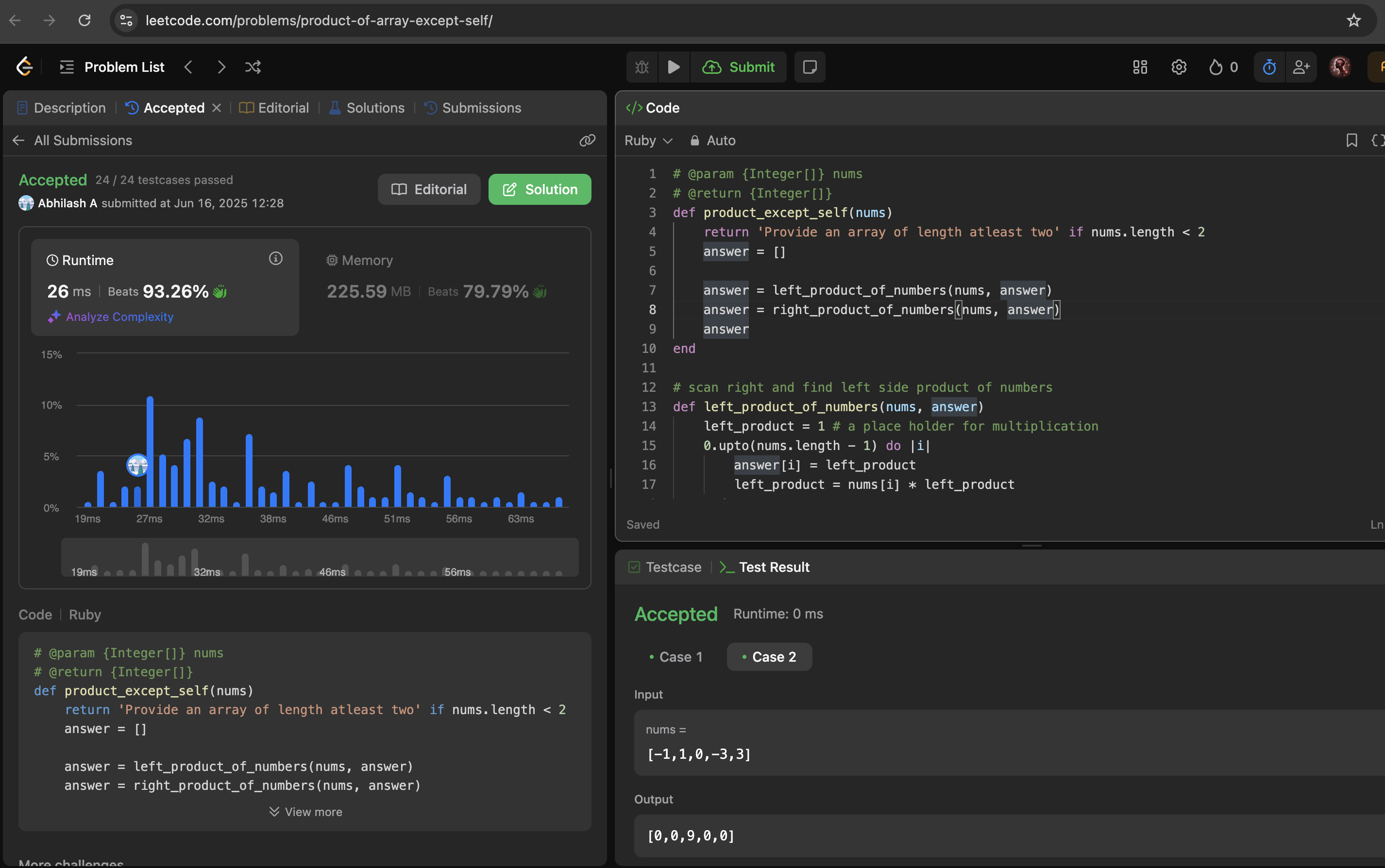

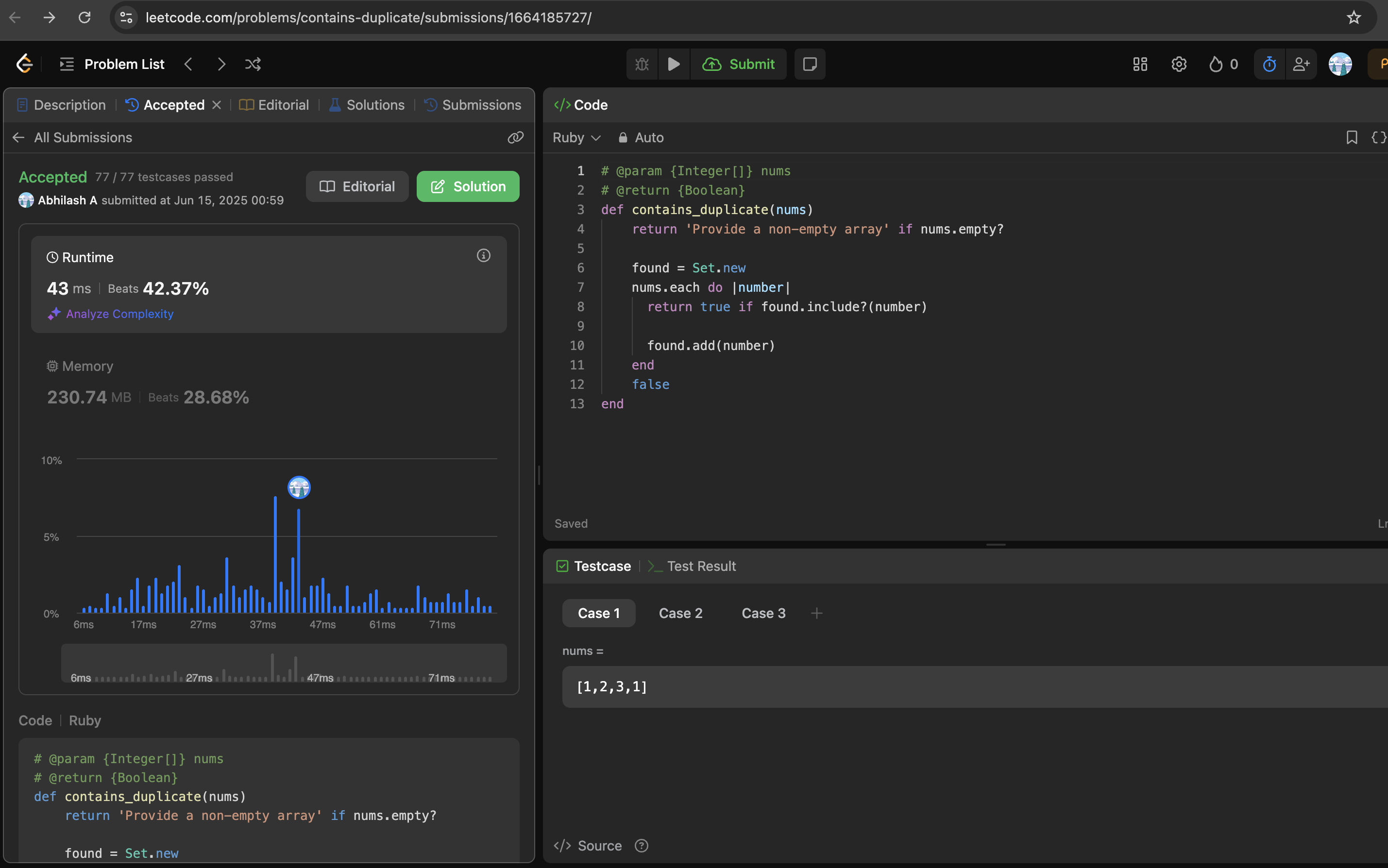

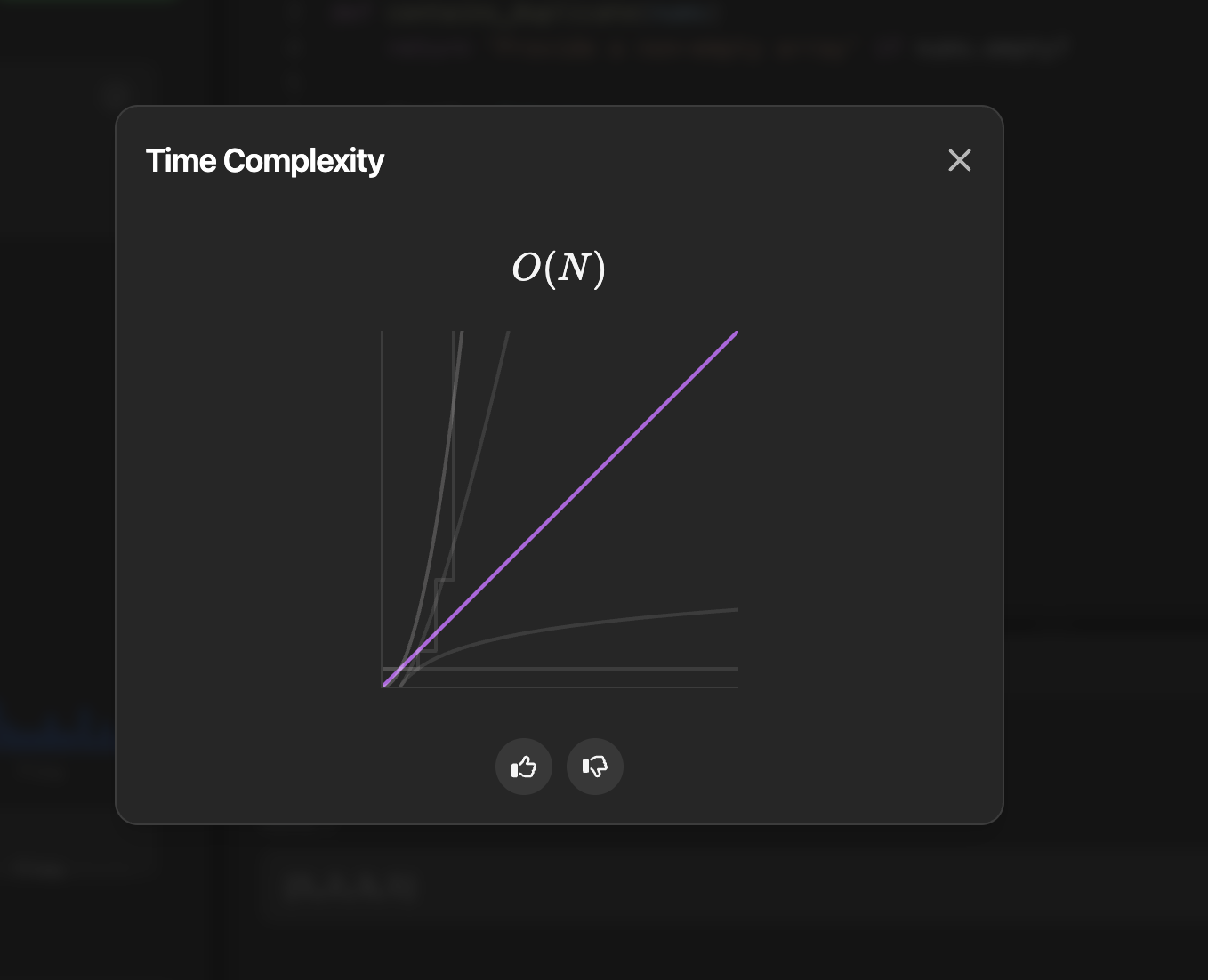

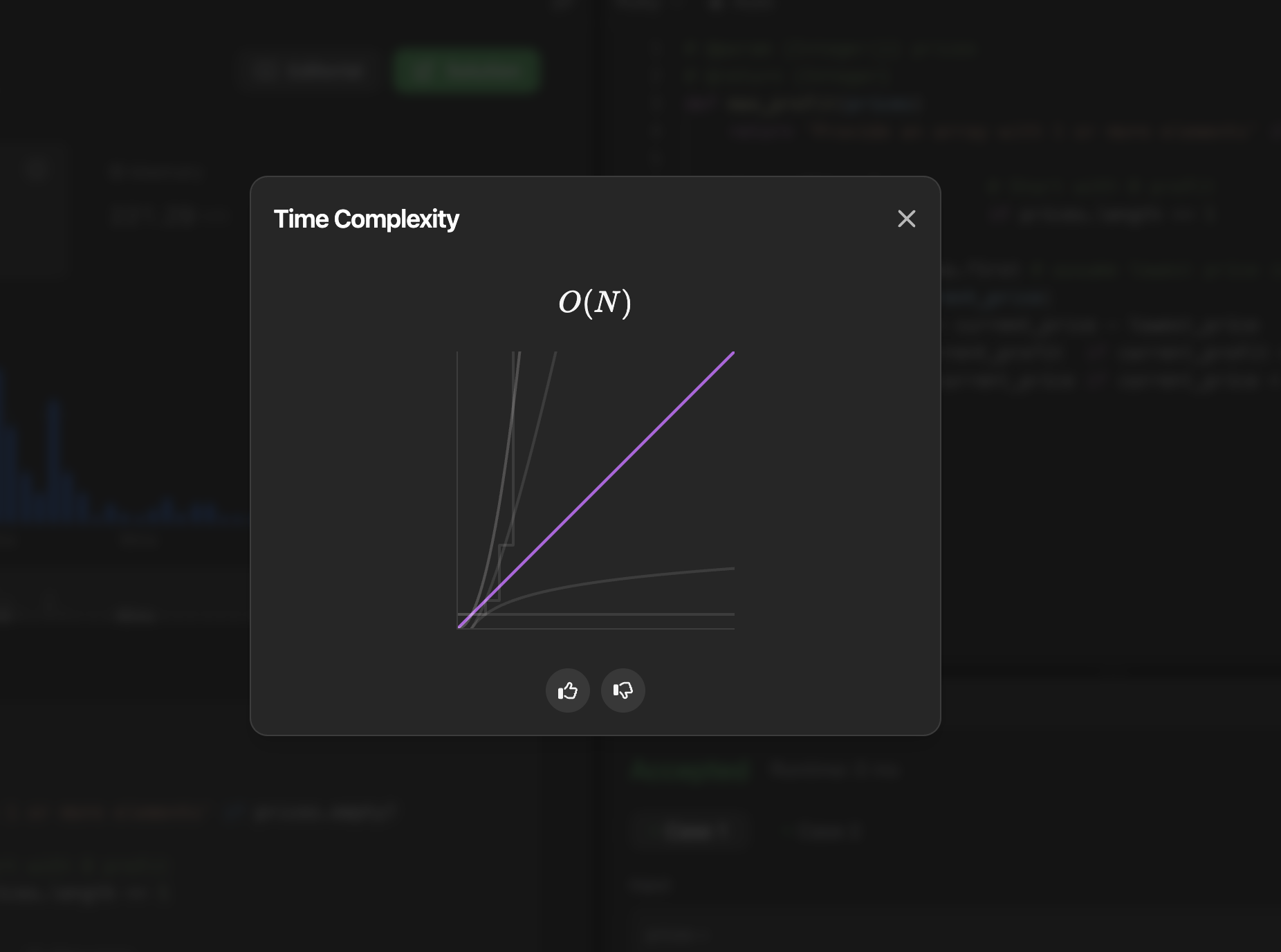
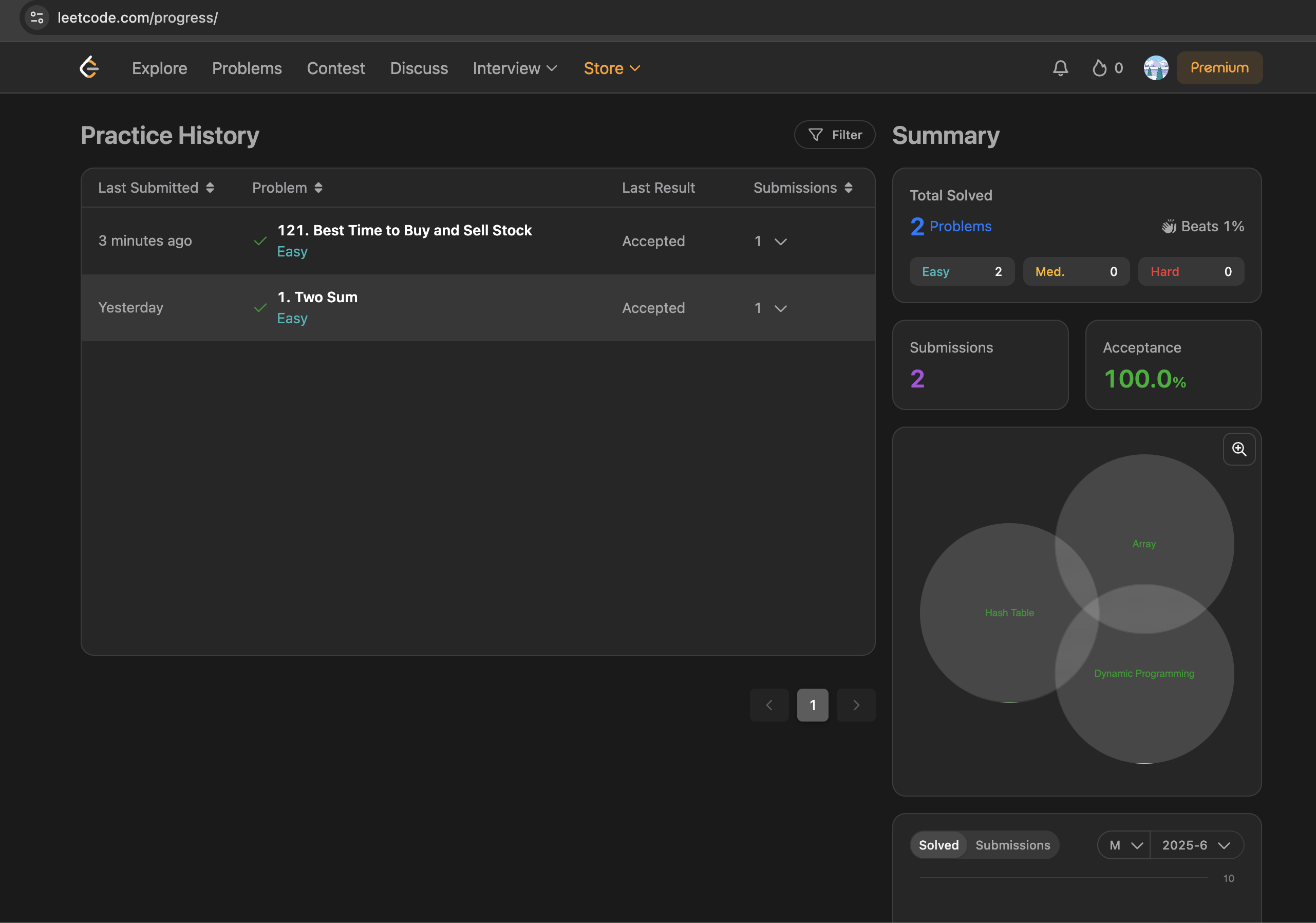


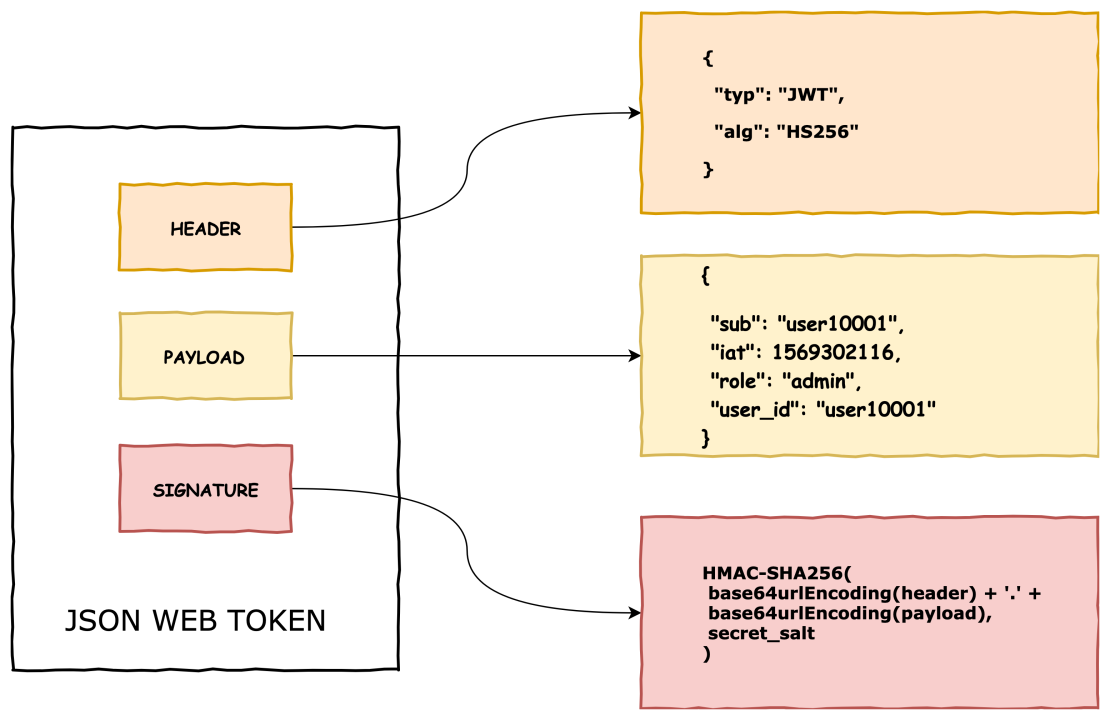
 The Rails Drop